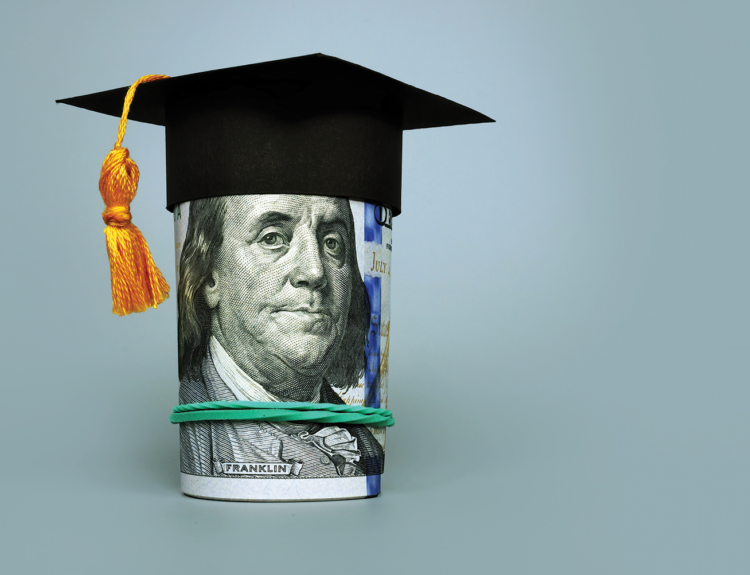

A newly enacted tax on college endowments—part of President Donald Trump’s sweeping tax-and-spending bill—has drawn sharp concern from higher education leaders who warn it could have long-term implications for tuition rates and financial aid at some of the nation’s wealthiest institutions.
The legislation replaces the previous 1.4% flat tax on endowment income with a tiered structure that climbs as high as 8% for the largest endowments. Smaller institutions—those with fewer than 3,000 tuition-paying students—are exempt from the tax, which the Joint Committee on Taxation estimates will generate $761 million over the next decade.
Yale University, one of several elite schools facing the highest rate, said it expects to pay $280 million in the first year alone.
“Although the endowment tax is lower than what the House passed originally, it still means that Yale will pay an estimated $280 million in the first year it is in effect, and likely more in subsequent years,” President Maurie McInnis said in a July 3 statement.



In anticipation of the financial hit, Yale had already enacted a temporary hiring freeze, reduced annual salary increases, and postponed several construction projects. Other universities are expected to follow suit, leading to concerns about ripple effects across campus operations and student support.
“This is no longer an endowment tax—it’s a research university tax,” said Rick Grafmeyer, a partner at Capitol Tax Partners in Washington, told CNBC. A Forbes analysis found at least 11 universities will be taxed at the 8% or 4% rate beginning in 2026—a significant jump from the 56 institutions that previously paid a uniform 1.4% rate totaling about $380 million.
Experts say the financial burden could shift directly onto students.
“Colleges, both private and public, are facing unprecedented fiscal challenges this year and en masse,” said Robert Franek, editor in chief of The Princeton Review. “Most concerning, for prospective students, is these factors may cause tuitions to be higher and reduce the amount of financial aid schools award.”
Higher education analyst Mark Kantrowitz noted that, in some cases, the endowment tax could exceed a college’s total financial aid budget, making it harder to maintain generous aid packages that support low-income students.
Phillip Levine, an economist at Wellesley College and fellow at the Brookings Institution, predicted rising tuition prices. “It doesn’t seem like 5% or 6% [increases] is out of line or beyond what schools are willing to do,” he told CNBC.
As institutions brace for these changes, critics of the tax argue that it may ultimately undercut access to higher education, particularly for students who depend on robust financial support.