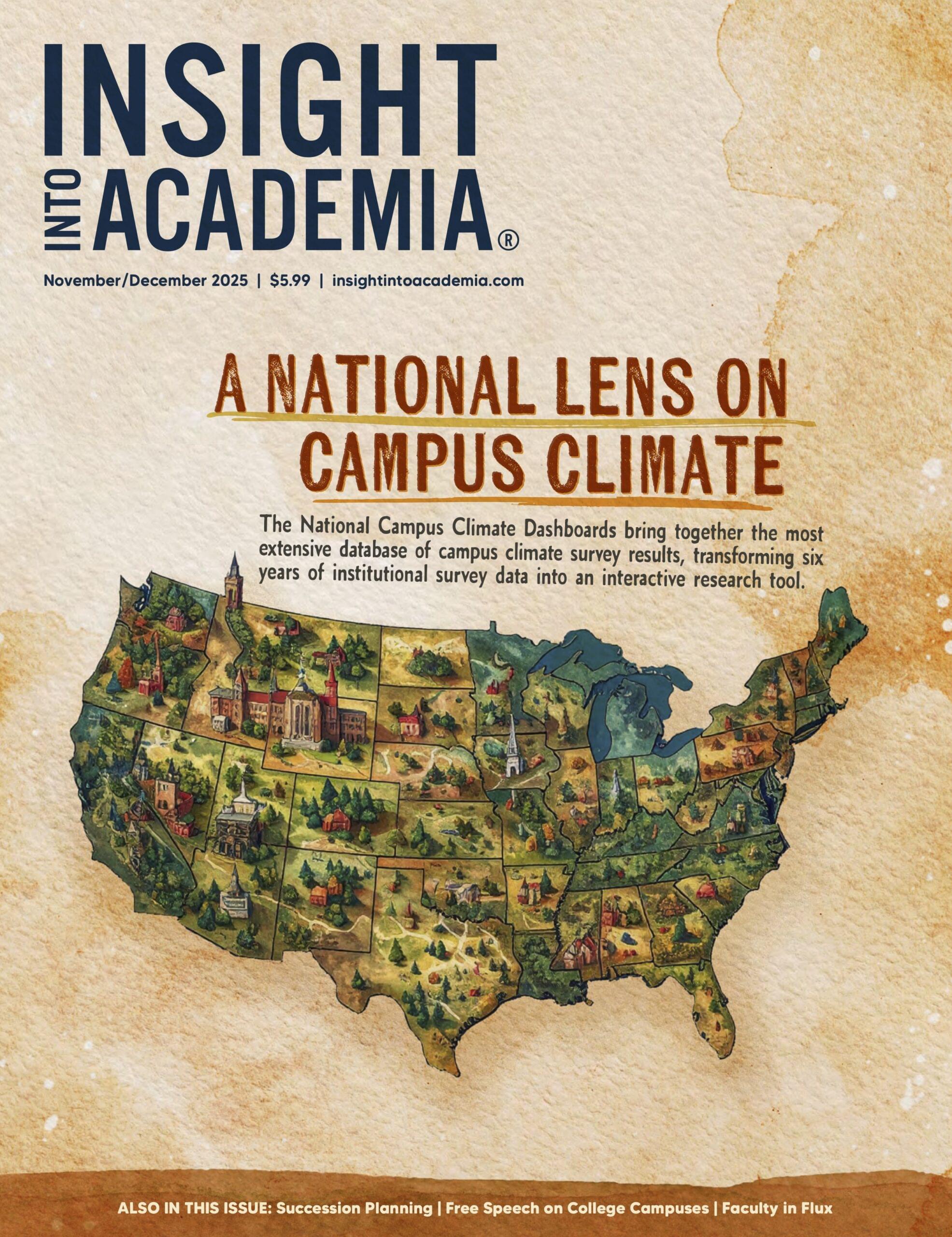
Every campus has quiet moments — the unspoken concerns shared only between friends or kept entirely private. These hesitations matter because they reveal where students may feel uncertain, disconnected, or unheard. When institutions don’t capture this information, small problems can grow into larger issues that affect retention and campus well-being.
Campus climate surveys offer a way to translate that silence into measurable insight. By providing a safe, anonymous way for students to express themselves, colleges can uncover what truly shapes the student experience beyond academic outcomes.
How Anonymous Feedback Builds Trust and Honesty

Anonymity is one of the most powerful aspects of a well-designed campus climate survey. Students are far more likely to share honest feedback when they know their names are not attached. This removes fear of judgment, retaliation, or misunderstanding — common reasons many hesitate to participate in direct discussions or focus groups.
Surveys built with strong confidentiality protocols show students that their perspectives are valued. When feedback feels safe, participation increases, and responses become more authentic. That authenticity transforms a basic questionnaire into a credible source of institutional insight.
Turning Campus Climate Survey Data Into Actionable Strategies

Collecting climate data is only the first step. The real impact comes when institutions act on what they learn. Clear reporting, visible follow-up, and transparent communication about next steps demonstrate that student voices lead to change.
For example, if survey results reveal gaps in mentorship or advising experiences, leaders can implement new peer programs or staff training. When students later see progress updates tied to those findings, it strengthens their trust in the process — reinforcing participation in future surveys.
The Role of Viewfinder Survey Design in Meaningful Data Collection

The Viewfinder Campus Climate Survey stands out for its ability to capture data that reflects both quantitative trends and the emotional tone behind them. Its questions are developed through extensive research to help institutions identify where communication or policy barriers may exist.
By structuring questions around belonging, campus resources, and accessibility, Viewfinder gives leaders a detailed map of where students thrive and where they struggle. The survey’s built-in analytics simplify the process of identifying patterns, ensuring data doesn’t sit idle but drives decision-making across departments.
Recognizing Institutions That Listen: HEED’s Acknowledgment of Best Practice

Each year, the HEED Award recognizes institutions that go beyond data collection to build cultures of continuous learning and improvement. These campuses use survey results to shape programs that meet students’ needs — from leadership development to faculty mentoring.
Their success shows that actionable data begins with listening. When universities demonstrate consistent follow-through on student feedback, they set a national example for what responsive higher education leadership looks like.
Final Thoughts: Turning Feedback Into a Culture of Responsiveness

A climate survey is more than a form to fill out; it’s a signal that student perspectives matter. When designed thoughtfully and paired with visible outcomes, these surveys bridge the gap between hesitation and engagement.
By investing in data-driven listening tools like the Viewfinder Survey and recognizing exemplary campuses through programs like HEED, higher education can move from reactive to proactive — ensuring every student voice helps shape a stronger, more connected learning environment.
When institutions prioritize ongoing climate surveys, they create a reliable rhythm of feedback that strengthens trust across the student body. Each round of responses offers new insights into academic experiences, campus safety, and belonging. Over time, this consistent listening process helps leaders make data-driven improvements that benefit everyone. For students, it’s a reminder that their voice carries weight—and that meaningful progress begins with participation. In the end, climate surveys turn quiet observations into powerful insights that help every campus move forward with clarity and care.