
For years, higher education has treated international student support like a checklist: visas, housing, orientation, onboarding, compliance. Necessary, yes—but rarely sufficient. And across the sector, the consequences have become increasingly visible. International students arrive full of promise, talent, and ambition, yet too many quietly disappear before their second year. The issue is not readiness or intelligence. It is fragmentation. On a recent episode of Beyond the Quadcast, leaders from Syracuse University shared how they dismantled those silos and built one of the most holistic, human-centered international student success models in the country—by completely reimagining how advising, career development, communication, and belonging intersect.
Hear the Full Story on Beyond the Quadcast
Go inside the model that’s transforming international student success, belonging, and retention—straight from the campus leaders who built it.
Six years ago, Syracuse saw what many institutions still struggle to confront directly: international students were underperforming in first-year persistence compared to domestic peers, despite arriving academically strong and highly motivated. These students were simultaneously navigating cultural transitions, academic rigor, social isolation, and deep anxiety about future careers—yet support structures were scattered across multiple offices that did not fully coordinate with one another. As one of the episode’s guests put it, “International student success can’t live in a silo—it has to live inside the academic mission.”
Instead of trying to strengthen individual offices in isolation, Syracuse made a bold structural move: they embedded international student success directly inside the academic advising ecosystem itself. What had long been treated as a compliance function became a central driver of academic, personal, and professional development.
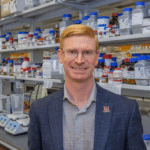
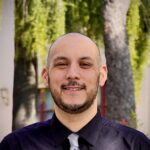
At the heart of this transformation are Ling LeBeau, Director of International Student Success, and Steven Schaffling, Assistant Dean of Student Success. Together, they rebuilt international student support around intentional connection rather than transactional service. From the moment students commit to Syracuse—months before they ever arrive on campus—they are drawn into a structured community of support that includes onboarding engagement, peer mentorship, culturally informed advisor training, continuous academic monitoring, and multi-channel communication that reflects how international students and families actually communicate. For Syracuse, belonging is not something students are expected to discover on their own. It is deliberately built into the system before students ever set foot on campus.
One of the most transformative shifts in Syracuse’s model is the integration of career development into the very first semester. Rather than waiting until junior year or internship panic sets in, students begin building professional skills immediately.
“Career development doesn’t start junior year. It starts in semester one,” Schaffling said during the episode. Academic and career advising no longer function as separate services. Students work with one advisor who helps them navigate both degree planning and career exploration simultaneously. Instead of relying on vague language about the value of a liberal arts education, advisors map specific majors to sixteen real economic sectors and show students exactly where alumni work, what internships align with each pathway, and what skills employers expect. That level of clarity directly reshapes motivation and persistence. Syracuse now reports a 93 percent first-year retention rate for undecided students, up significantly from prior years.
Turn international student success into a scalable, data-driven retention strategy.
Get the Building a Holistic Model for International Student Success & Retention Toolkit now.
Belonging plays an equally powerful role in Syracuse’s success. Every incoming international student is paired with a trained peer mentor months before arrival, beginning in early May. This is not optional. It is universal. Students begin building relationships before they face the fear of travel, visa uncertainty, cultural shock, and academic self-doubt. By the time they arrive on campus, they already know someone who understands the transition personally. The mentor program also dismantles common assumptions about leadership. “Not every 4.0 student makes the best mentor. Empathy matters more than GPA,” Schaffling noted. Mentors are selected through group interviews that emphasize communication, compassion, and leadership, not just academic performance. Weekly engagement reports and reflection journals build accountability while strengthening the mentors’ own professional development.
Scaling this level of personalized support would be nearly impossible using staffing alone, which is where Syracuse has turned to artificial intelligence as a support multiplier rather than a relationship replacement. Students use AI tools for resume development, mock interviews, and job application preparation, removing early barriers that often prevent students from participating in career development at all. As Schaffling explained, “We use AI to raise the floor—not replace relationships.” These tools allow advisors to focus on strategy, confidence-building, and long-term navigation, while AI handles early-stage skill-building at scale. Most notably, many of these platforms operate at costs that average less than a dollar per student annually, proving that innovation does not always require large budgets.
Communication has also been radically rethought. Syracuse recognized that email alone is insufficient for international students, many of whom rely on mobile messaging platforms as their primary form of communication. Today, students receive guidance through WhatsApp, WeChat, two-way text messaging, consistent newsletters, and open forums. Parents are engaged as active partners rather than held at arm’s length. As Ling shared during the conversation, “We treat parents as collaborators in student success.” This philosophy has transformed trust, engagement, and early intervention during the most fragile part of a student’s transition.
Perhaps the most important takeaway from Syracuse’s model is that it is not a collection of programs layered on top of one another. It is an integrated student success operating system. Advising functions as teaching, with defined learning outcomes that students are assessed on over time. Career readiness is embedded into academic identity rather than positioned as a last-minute service. Belonging is engineered intentionally rather than left to chance. Data—not anecdotes—guides where energy and investment are directed. Students are supported before they ever begin to struggle.
This approach did not emerge overnight. It took years of iteration, assessment, refinement, and leadership willing to redefine what student success truly means. As Ling summarized it simply, “Start small. Do it well. Track it. Then grow.” In a moment when institutions are facing enrollment volatility, global recruitment pressure, student disengagement, budget constraints, and rising skepticism about the value of a degree, Syracuse offers something rare: proof that belonging, when built deliberately into the academic core, can become the infrastructure of persistence.
For higher education leaders wrestling with retention challenges across students, faculty, and staff alike, this episode of Beyond the Quadcast offers more than inspiration. It offers a replicable, human-centered strategy for rebuilding trust, clarity, and connection at scale. The lesson is unmistakable. Retention is no longer a downstream outcome. It is a system-level design choice.
Beyond the Quadcast Interview Transcript
[Ling LeBeau and Steven Schaffling]
Misty (00:02.613)
Welcome to Beyond the Quadcast brought to you by Insight into Academia, your trusted source for the tools, best practices, and real solutions helping institutions lead with purpose and impact. I'm your host, Misty Evans.

DeMario Easley (00:15.054)
I'm your co-host, Demario Easley, and today we're thrilled to welcome Ling Gao LeBeau and Steve Shafeling from Syracuse University to the show.

Misty (00:25.375)
Welcome. Hello. Hello, guys. Can we start by getting a little intro from you? You know, who you are, what you do, where you work, all those fun things.

Steven Schaffling (00:26.572)
Hi everybody.

Ling LeBeau (00:27.99)
Bye.

Steven Schaffling (00:39.566)
Sure, go ahead, Ling, you go first.

Ling LeBeau (00:41.238)
Okay, sure. Hi everyone, it's an honor to be here. I'm Ling Gou LeBeau, but usually just go by Ling, Ling LeBeau. I'm currently Director of International Student Success at Syracuse University College of Arts and Science at Maxwell School of Citizenship and Public Affairs. My focus is on helping international students succeed academically and professionally.

My main responsibilities are two parts. First one is to develop programs and initiatives to help our international students learn and also pursue career. The second part is to help our advisors understand how to support international students. And then what drew me to this work is that because this work is very meaningful and impactful.

This is a brand new position I actually created six years ago by Dr. Scheffling. And I was so intrigued by this position because this is the type of work I was looking for so long. I realized it's the gap existing in higher education. So I'm so glad I get to be involved to contributing to the field of international education and academic advising.

Steven Schaffling (02:00.676)
And my name is Steve Schaefling. I'm the assistant dean of student success as Ling sort of hinted. I oversee a cross-functional office of professional staff advisors at Syracuse University that oversee just over 5,000 students enrolled in the liberal arts and sciences programs at Syracuse University. And my responsibility is essentially

Misty (02:01.012)
I love that.

Steven Schaffling (02:30.552)
moving forward the strategic vision around creating excellence in advising and programming for undergraduates. And one of those populations that Ling is specifically tasked with are our international students.

Misty (02:51.937)
Okay, that's perfect. You guys are great. All right. So what problem were you trying to solve when you developed your holistic international student success model?

Steven Schaffling (02:55.228)
Okay.

Steven Schaffling (03:08.654)
Sure, I'll give you the high level overview that as I said, so this cross-functional office of 35 staff members, you know, it's our job. One of our goals is to create a successful transition to Syracuse University. That's one of our stated goals. And one of the things that we see that the data shows us is that international students struggle at a little bit higher rate than the average domestic student in their first year. And the Dean, my boss came to me and said, Steve, what are we gonna do?

to better support this population in the way that we support others. And what came from that is essentially, we created Ling's position and the goal was to apply high impact practices that are well known in the higher education industry, but apply them towards or to the population of international students to help them.

in the transition of their first year so that they stay and they graduate and they earn their degree at a higher rate.

Ling LeBeau (04:11.946)
Yeah, when I started six years ago.

And then basically Dr. Sheffling and I, we just started from scratch because nothing like this exists. Sheffling, he did lots of research, you know, this country and the world, I did some research. So we just found only a couple of references. Other universities maybe they did couple of initiatives, but not comprehensively. So we start from scratch and from conducting needs analysis of students or advisors.

And then we came up with strategies and plans. And then we are very glad we have achieved very good results. And also we have established a holistic model now. But of course, there are many things we need to continue to learn and improve.

Misty (05:07.521)
awesome.

DeMario Easley (05:07.726)
So, yeah, so speaking of that, what are, what gaps do you see in traditional or transactional international student support?

Steven Schaffling (05:18.084)
Sure, yeah, I think I'm gonna let Ling give more detail, but what I can say is that what's unique to us is that we wanted to embed the concept of international student support in a traditional advising, career advising, academic advising, or student success office that is embedded on the academic unit side, right? We report up to our dean where most offices

primarily are tasked with managing compliance. And sometimes they don't sit, they're not nested within an academic and student support side of the house.

Misty (06:01.172)
Okay.

Ling LeBeau (06:01.458)
Yeah.

For myself, I'm an international educator. International education is my primary profession. I've been in this field for over 20 years. I also used to serve as director of International Education Center, International Services Center, or things like that. traditionally in the US and also many other countries in the world, so we focus on the transactional pieces for international support. For example, like in the US, the visa

visa process, they need to maintain visa status, how is their English language, how is their social, do they, we need to help them understand the community, the culture, you know, but very few was paid attention to how they learn, how they pursue their career. Some universities did a couple pieces, but not really a holistic approach. therefore, so basically we would like to make the

transactional international support to transformational. on US University, you know, there are so many supports for some underrepresented student population for example, first gen or trial program or all those things. But for international students, there was none existed. So we're glad we work together and develop this model.

Misty (07:29.981)
Yeah, that's amazing. why do you think that these silos tend to persist and what are the consequences for students and institutions? Because I'm assuming there are strains on the students from these kind of gaps existing in the first place.

Ling LeBeau (07:48.829)
I will say due to many silos, honestly, we know the silos are very common in higher education. For example, student affairs versus academic affairs. know, so international students like international student office, sometimes it's under student affairs, sometimes some university under academic affairs. then so and then advising office, they just focus on, you know, advising, you know, specific things. So it feels like

People say, okay, that's why you do, this is what I do, but how can we support students holistically? So I think that it's hard. It needs really a creative leader and thinker and also the courageous leadership to make this happen. So, yeah.

Steven Schaffling (08:36.044)
Yeah, I think it's about, I'd go a step further than that. I think it's about, you have to be able to articulate the strategy, which many institutions are able to do. That, know, that, hey, what we want is the students who come, we want them to stay with us and we want them to be successful with us. That's the strategy. But then it's the ability to actually define

the operational components that are going to advance the strategy. And so that's where I think a lot of places fall down in the sense of, when it comes to with international students as an example, I had said earlier about applying high impact practices that are well measured in the industry and we know that they work, but taking something like a peer mentor program.

embedding it within an academic unit, giving it an academic structure, right? Like our peer mentor program has a syllabus. And so the purpose of that is to guide the mentors, to help guide them through the first semester with the mentees. And so there's this strategy and operation bridge that needs to go on. And from my perspective, I think that the one other piece there is

challenging your traditional academic advising units to do more, right? It's not enough anymore to be able to say what five courses you need next semester. There are some really good, strong pieces of AI out there that can almost do that much now if you're willing to share the data with them. But it's about, we always say everything we do here is built on the relational pillar and it's about.

really, we sort of take a human capital approach. What skills are we helping the students build as they work with us and we're embedding that within the academic unit and within it, what used to be when I first got here, just a traditional advising unit.

DeMario Easley (10:44.686)
So I think that you sort of answered this already, but I want to maybe you could elaborate a little more. And this is more so just about like the actual model. So like how does your integrated academic plus your career advising model work?

Steven Schaffling (11:02.882)
Sure, sure. think at a high level, I can say that what we, the direction that we went was to lower the hurdle for students. We wanted to integrate the concept of having an academic advisor and a career advisor, instead of having them in two people, have them in one. And what that took was lowering the caseloads. The average caseload in this office is about 250 students.

Misty (11:20.118)
Mm-mm.

Steven Schaffling (11:26.574)
her advisor, right? And then changing, really where the work here was, was changing the definition of what advising is. And so what that means is that, and this is really critical for liberal arts and sciences students in higher ed today, because the kitchen table conversation they're having is, well, what am I going to do with the degree? What am I going to do next? And while we know that the competencies that they're learning from their classrooms are really what

Misty (11:48.481)
Yeah.

Steven Schaffling (11:55.941)
first employers are looking for, they're looking for those competencies, but it's about the ability to articulate those things, the ability to weave and tell that story in both written and orally, and the ability to build skills and human capital, right? Like most of our freshmen have never heard the term professional networking before.

Misty (11:59.009)
Mm-hmm.

Steven Schaffling (12:21.73)
Most of our freshmen have never built a resume before, but embedding that within the academic advisor lets a single person help the student navigate both sides of the conversation. So I go, we run something called the Alumni Connections Program, where students can select an alumni based on their major, their fields, maybe a category of something that's representative of themselves. They talk for an hour, then they come back.

Misty (12:22.056)
Okay.

Steven Schaffling (12:51.36)
and how that conversation, that experiential conversation has impacted what they want to do with their path. Then they come back and they talk with the same advisor on, well, you know, I had this conversation and now maybe I'd like to explore this area. So the academic path changes the career path and the career experiential interactions change the academic path. And so the model is set up to help a student navigate that over their four years more successfully.

Misty (13:19.913)
I love this. is a, you know, it's very, it's a very human approach. It's also a great retention strategy. Because obviously, like, you know, you mentioned the kitchen table conversations, but, you know, it helps with career, it helps with, you know, them plan their, you know, time at the institution is you're kind of hitting all of the buttons here. This is such a great, you know, replicable model for other institutions.

Steven Schaffling (13:48.675)
Yeah, think, I mean, I've said that it's where advising needs to be. So we're constantly, you know, pushing on what is the programming that we're delivering through the advising office. And now, I mean, our office will complete 14,000 one-on-one advising meetings annually for, as I said, only 5,000 students. But then we'll also have 2,000 interactions of students with the programming.

And so that's really where we're pushing the office in that direction. The one-on-one advising conversations is just one piece of what we're doing. And as I said, it's all built on the relational pillar. The students need to be able to, we may not be the final answer. We may not be the perfect place to get an answer, but they need to know that they need to be able to come to us to ask the question first. And then we can help guide them to what the next thing is or what the right answer is.

Misty (14:42.793)
That's great. And it's a lot about meeting students where they are. So how are you communicating with them? What does that tailored communication look like? Because obviously communication is like the cornerstone of all of this. When you're dealing with international students, I know sometimes that can look a little bit different.

Ling LeBeau (14:46.4)
Sure.

Steven Schaffling (14:55.212)
Sure. Sure, I'll say at a high level and then Ling's gonna go into the detail here, but like at a high level, it's not good enough for us to sit around anymore and say students don't answer email. Like we know that, we know they don't read email. So what are you gonna do about it, right? So this office does two-way text messaging with all students.

run a newsletter that goes the same day at the same time every week and has something like an 85 % read rate. And that's because we set it up essentially immediately after matriculation, after the May 1 Confirm deadline. So we set up practices and structures so that students know that it's coming from our desk and that they're actually talking to us. But then when it comes to certain populations, we go further. And so, Ling, do you want to talk about how we're uniquely?

talking with international students, communicating.

Ling LeBeau (15:49.707)
Yes, for international students because students come from all over.

different we have students from 50 to 60 countries. So different different trendy media communication tools in their own country, you know, and then so also different communication style. So therefore communication is really, really important. So fact one, so lots of international students in their home country, don't use email much at all. But in the US email is the number one official communication tool for us in higher education. So therefore we explore

other options to communicate with students. So WeChat, that's for Chinese students for sure. And then WhatsApp, we use WhatsApp for all other students because many countries actually they use WhatsApp except in China. And then in addition to those, the two WeChat and WhatsApp tools, I also use, we have the weekly newsletter,

weekly open forum for our students so that they know that somebody cares about them, somebody's thinking about them every single week. And whenever there is any emerging message or important reminder, important event, in addition to email, I also send through WeChat and WhatsApp. So in addition to students, we also communicate with the parents because for the GNC students, the parents so clearly

parents are involved. I heard actually many institutions, even for their domestic students, they involve parents as well. So for international students, we involve parents, we look at parents as our partners. So instead of just like they are passive listener, they are our partners, we work together to help their students succeed.

Misty (17:27.297)
Mm-hmm.

Misty (17:47.455)
That's great.

Steven Schaffling (17:58.329)
Directly, I think that, you know, I'm somebody who has studied, you know, if you look me up, my thesis and my dissertation are based in Tinto and I've met John Gardner a couple times and so I've sort of classically studied in what the advising or the student success or the first year transition stuff needs to be. Career is what needs to

Misty (17:59.669)
Hahaha

Steven Schaffling (18:24.708)
where we are in 2025 needs to be added. I think our position is that the first year transition work that's going on needs to evolve. And it's not, it most critically needs to be added for liberal arts, sciences and social sciences programs, but it's not contained to just them, right? Engineering programs need to be doing career in not just year one, but term one. And so we've actually gone to the point where we've...

developed curriculum. And so we have a first year transition course in the Gardner model, in the Gardner style, that, you know, they would say extended orientation is their type. what we're doing is this sort of, as I said, this human capital approach to career. All of our undecided students are in a one credit strategies for career success course in semester one. And what it's done is we're at

like a 93 % rate first year to second year retention rate for our undecided students to take that course program that costs $85,000 a year. Right. And, and the, that is the historical average is 86%. And so, so this is the, needs to be, our position is that career needs to be brought right into, to term one and year one, because it's really about goal alignment.

Misty (19:26.098)
Wow.

Steven Schaffling (19:48.153)
You know, I had said this term about kitchen table conversations, but it's goal alignment for students and families and where are they headed and what are they doing? And it's the questions that they're asking. And if you can bring transparency and clarity and value to, what you're doing now, all right, we're gonna help you build a resume. And that's gonna get you over the hurdle of being able to apply to your first internship or what comes next. We're gonna help you.

create a LinkedIn profile. And we're going to help you understand and define what professional networking is and why it's valuable. And bringing those sort of human capital tools all the way down into term one, lets a student clarify how they can map or mold their path over the next four years, both curricular, from a curricular perspective and from a co-curricular career perspective.

Right. It's too, they need both halves in order to then, okay, they can see the path. They can see how a psychology major has a direct path to marketing. And the thing is, is with us, it's helping students sort of decode that abstraction. It's a bit abstract, right? My father was a corporate.

Misty (21:02.463)
Mm-hmm.

Steven Schaffling (21:03.428)
And I like to joke, I knock on accountants because my dad was one. Right. And I say like, accounting is concrete. You go into an accounting degree to become an accountant. It's pretty clear. It's not abstract. There's no decoding that you need to do there. You need to be a CPA, right? So like, but our students are often, they don't inherently understand those pieces and how those pieces then map to where it is that they perceive that they want to go.

Misty (21:06.516)
You

Misty (21:15.391)
Right.

Misty (21:33.537)
Yeah, I was going to ask you, how do you make liberal arts ROI concrete for students and families early on, especially international students, because I have an immigrant father, he's from Iran, either you're a medical doctor, an engineer, or you just die in a field somewhere because you will have no career, right? And I was an English major, so that's...

Steven Schaffling (21:48.516)
Where?

Steven Schaffling (21:55.981)
Yeah, it is. You're spot on. I want Ling to be able to reply specifically for that. I'll just say that quickly, I'll say that students, deans like to say, our liberal arts students can do anything. And that's true. But it's too nondescript. So what you need to do is you need to build

Misty (22:00.512)
Yeah.

Misty (22:15.457)
Mm-hmm.

Steven Schaffling (22:23.972)
you need to build like clear pathways. So what we do is we lay out for students, there's 16 sectors of the economy that our students go into. And so if finance is one of them, we lay out, well, here's the student organizations that you can join that are associated with finance. Here are the minors, here are the majors, here, that are in arts and sciences, right? Minors in other places as well, right? Here are the courses, here are the professional societies, here are the internships and the companies that hire.

our students and we sort of lay that out for them so that then they can start actually crafting the path. And I think the difference, I think in the advising world is that we do it proactively and intentionally. Whereas the old school model is like, I like to say like of career advising is that you hang a shingle and hope that students come by and get a writer. The career advising office, I don't want to knock on them. They want the students to come by. But by having an integrated model,

Misty (23:10.475)
Yeah.

Misty (23:15.957)
Mm-hmm.

Steven Schaffling (23:18.04)
You know, we can place a hold in fall of sophomore year that says you must have a resume by end of fall sophomore year in an academic advising office. we're playing. And so we have over a thousand students that are completing a professionally reviewed resume by end of sophomore year. And that's the power that the integrated model allows us that a lot of standalone career offices, doesn't, it doesn't buy them. Right.

Misty (23:42.411)
That's so smart.

Steven Schaffling (23:43.586)
Lane, did you want to talk about like the, particularly from an international student perspective, the career?

Ling LeBeau (23:49.427)
Sure, yes. Traditionally, international students come to the US to study STEM field. anything technology, math, those things traditionally. However, in the past two decades, you are seeing more and more students come here to study art, performing arts, study communication, and study something like we feel like kind of just total liberal arts area. So yes, I think that

For parents, if they support their students to study the labor arts area, actually they know. they, because the parenting now also has changed, like in some countries. They support them, they know that's their passion. then for, but overall the career outcome is to all the students' goal, parents' goal. So that's why they send their students in the US. So for the future, you know, more potential career

path. it's true. So students and parents from different countries have different needs and different interests. So for example, I'm so impressed, like students from India, even the freshmen before they come, actually during our onboarding meetings before they come to Syracuse University, they start to ask about internship, about job, about opportunities, networking. I was so impressed.

always very impressed. They are so mature. Yeah, students from some certain countries and then they worry about, you know, safety, housing, you know, all those things. It's different focus.

Misty (25:34.684)
Okay, interesting.

Ling LeBeau (25:48.063)
Yeah, so.

Overall, general speaking, doesn't matter international or domestic. They all need to know how to register for classes, how to find housing, to good roommates. Those are very common, right? But international students, as I mentioned, students from India, really interesting career outcome for sure. But usually top concerns and worries from parents and students before they come to the States, always safety.

really worried about safety. because I mean, Americans are allowed to have guns, they see the me in the media, they're shooting every day everywhere, you know, so, and then that's number one, but until they are here, they see them, they feel much better. Okay. And safety and also racism.

So because of the media and then so they were so worried, for example, students from Asia, know, like a couple of years ago we had Asian hate, you know, things like that. then academic, academics before they came here, they actually did not worry a lot, but of course they were thinking about major, which major do you think will be more helpful for me to find a job later, you know, and all those things.

Misty (27:11.283)
Interesting.

Steven Schaffling (27:20.406)
I I mean, I struggle to answer that, like, guess, outside of arts and sciences, right? I think, as I sort of hinted at before, there are truly students who come not knowing, like, uncertain, knowing that, hey, they understand the value of a bachelor's degree and that long-term, that it's going to set them up for long-term career success, but they're just not really sure.

what the next step is, right? So there really is this percentage of students who are in this like exploratory phase. And the thing is, is that those students need these certain tools and certain, like I said, building the human capital. They really need it right up front or otherwise, if they don't see the, if you don't increase the transparency.

in the beginning at the value of, okay, what are we doing and why does it apply? And then to then map to the value of after you leave, right? So domestic students, I think, feel that pressure on their decision and the pressure of why this institution versus another one. So like the work that we're doing, we perceive is sort of a requisite value add to why you would.

come here and or why would you do a degree with us as opposed to to somewhere else. I think there's also a there's another sort of end of the bell curve right there are there are students who come what was post-covid we're seeing a really big shift towards pre-law and pre-health so there are students who come like extremely

focused on that they're interested in law or health. They want to be somewhere in a health profession or there's a lot of veins of law. But those students, again, they sort of come from the other side and they have this vision. But what happens with those students is sometimes when the vision changes, right? When the schema, that would be like the word, you know,

Misty (29:34.827)
Mm.

Steven Schaffling (29:40.545)
All my life I thought I was going to be a doctor and then I got a C in biology. And this is real, what am I going to do? Right? So there's, so the students, those students, have a clear vision, but then there's usually an expectation change. And part of that is being like positioning yourself as an office to help guide the student as they gain more information. This comes back to the model. Like I said, all right, the information that you've learned.

Misty (29:49.803)
Mm-hmm.

Steven Schaffling (30:09.314)
from the academic side, how does it change the co-curricular career plan? And all right, I went on an immersion trip, right? We run 10 immersion trips a year and students will go out and on those trips, they'll meet with four companies and then they'll do a networking dinner at the end of the day. And then they'll come back and they'll go, I didn't like what I thought I would like at all. What am I gonna do now? Right? And sort of helping a student navigate through that.

Misty (30:32.254)
Yeah.

Misty (30:35.817)
No, is such a real thing. started out, like I was doing a law internship. I was studying for the LSAT. During my internship, half of the lawyers were sleeping on their couches. And they all said, if I could do it again, I would not do this. Like, I rarely see my family and I changed. Like, I ended up going into journalism.

Steven Schaffling (31:01.304)
I would imagine that was impactful.

Ling LeBeau (31:02.313)
Mm-hmm.

Misty (31:03.753)
Yes, it really was. so I have two, I'm gonna like, these things tie together. So it's gonna be kind of a two part question, but you know, so let's say that students have, you know, a change of heart, or the, you know, the uncertain third of students who aren't really sure what their path is in the first place. How do you help them figure that out? And I'm sure, you know, with AI, that that is becoming a thing.

Steven Schaffling (31:30.285)
Mmm.

Misty (31:32.001)
I think back to like those old tests, you know, we took, you know, where they ask you a bunch of questions and then it tells you what your ideal jobs would be. But AI is like that on, you know, tenfold. Yeah. And it's like that on steroids. So, so where does tech like AI add value to helping students kind of understand their path? Also, you know, how are you using that for things like career building, mock interviews, you know, once they're decided?

Steven Schaffling (31:43.096)
get instantaneous.

Steven Schaffling (31:58.319)
Right. Sure. There's a couple things where we're integrating it, right? We have an AI tool that helps with the professional resume building and editing, and it gives students back a score, and then they can make the edits and resubmit, and it gives them a new score. And then what we're really trying to do is at scale, raise the floor, because I can't tell you how many students have said, like when we've worked with them on that in fall of their sophomore year, when they've said,

Ling LeBeau (31:59.531)
Mm-hmm.

Misty (32:18.656)
Mm-hmm.

Steven Schaffling (32:28.312)
this was the major barrier. I didn't know how to build a resume. I didn't know where to start. so therefore I was afraid to even try to think about applying to an internship. we use AI there. We're implementing an AI mock interviewing tool because what we think like sort of the next step is that we want students to practice through.

you know, through interviewing, what are the questions they might see themselves, how they respond, how they might, how therefore how the employer is seeing them and scaling that out to 5,000 students. Even even with an office, I have 25 advisors and 35 when you count everybody that's in the office. But even with an office of 25 people, I can't run mock interviews for 5,000 students. So there's certain scale components that AI offers. I think that that

with respect to tools to help students discover, there's two major things. To your point, yes, there's still weighted and measured assessments. Like we deliver one that's through Myers-Briggs, there's the strong interest inventory that takes them 30 minutes and it maps majors and careers and comes back to them. And that's that, I always say the Thanksgiving.

conversation for an undecided freshman, they go home and they can put that on the table and they and they could say like I was I was that I was computer science my first year undecided my sophomore year and then declared psychology my junior year and my father the academy.

Misty (33:58.411)
No.

Steven Schaffling (33:59.533)
The accountant was like, what are you going to do with psych? And I had no good answer for him. I was like, dad, I don't know, but I'm better with people than I am with computers. Like it's just the reality. So like what we're doing is we do try to give students those tools that actually give them an ability to have that conversation. So we still run assessments. And then the other thing is our alumni network. We've really, really, one of the things, Ling's position is unique in this model in the sense that it's an international support person that's embedded.

Misty (34:04.543)
Mm-hmm.

Misty (34:09.953)
Mm-hmm.

Steven Schaffling (34:29.038)
within an advising office. But I have a director of alumni engagement that's embedded in this academic advising office, not with advancement. And that person manages something we call the Alumni Connections Program that will do six to 700 one-on-one students meetings with alumni annually. And embedding that in an advising office allows it to be driven from the student perspective.

not from the advancement perspective. And so then what you're doing is you're creating network mentoring and conversations for students to help and have them talk with somebody who just walked through the same thing that you're about to walk through. students will listen to those folks. They won't listen to, well, I mean, they'll listen to assistant Dean Shafeling when I like yell at them, but like they're more apt to listen to.

Misty (35:24.299)
Thank

Steven Schaffling (35:27.36)
an alum who they perceive as just like...

Misty (35:32.351)
That makes sense. The problem of every parent as well. More likely to listen to their peers. So, okay, going back to everything that you just said, what low cost, high impact tools would you recommend to resource constrained campuses? Like let's say somebody doesn't have a budget for all this, but what are the kind of high impact tools they can do at a low cost?

Steven Schaffling (35:41.603)
Yup.

Steven Schaffling (35:54.327)
yeah.

Steven Schaffling (36:01.28)
Sure, I'll give a couple. Well, the Alumni Connections program is just resources, right? That doesn't cost us anything. It's just the resource of managing the relationship with alumni and say, hey, would you be willing to spend an hour conversation with a student if we found one that was a match? We have like a matching process. But there's no cost. Most of those happen on Zoom. Sometimes they're in person when a student goes home for the summer.

Misty (36:01.921)
We're low manpower.

Steven Schaffling (36:28.996)
Our peer mentors, we run three separate peer mentor programs in this office and we don't pay any of them. What we do is we actually leverage our internship course. Like students can.

take the internship course for a single credit to be a mentor. And then what happens is the credit is advancing them towards degree, it counts against the liberal arts, but we're not paying our mentors. And from the mentor perspective, so they're not only getting the credit, they're also getting leadership and experience that they can put on their resume. I mean, I don't wanna say that it's...

I don't want to say that it's super low cost, the mock interview tool that we're implementing now was something like...

$1,300 to be able to implement for 5,000 students, actually 14,000 students, because I worked it out with the university, that it would be all undergrads. And we would pay for it because we saw that it would directly benefit our students. I mean, that's not zero cost, but a $1,300 investment to help scale the ability for a student to mock interview if they want to across 14,000 students.

The cost per student there is not going to get lower than that. I because that's like less than a dollar per student when you calculate that out. I'm not going to be able to invest in much more than that for less than a dollar per student. So, Ling, I don't know if there's a couple from.

Ling LeBeau (37:55.241)
Yeah, I will add one actually I think that

for universities who cannot for like our waymark or big interview those platform, you know, for students to develop resume and practice interview. I also just use chat GPT, chat GPT free versions very helpful. And then I tell some students, say, if you do not want to navigate those complex software, can use chat GPT, the copy paste the job posting, copy paste your resume, ask the chat GPT to give

some feedback on your resume to see if it's tailored to that job. Even the interview, the same. So I think there's no cost at all and then I recommend that one.

Ling LeBeau (39:04.842)
Yes, it's so important. as Dr. Sheffley mentioned earlier, social and career integration, social and academic integration is the key to student success, student retention, regardless international domestic. For international students, that's even more important because they are so thousands of miles away from home. So if they feel lonely, if they feel like they don't have any support and then sometimes they just

just drop even in middle of the first semester. So for us and then we start to build the community before they come here. Once they make commitment to Syracuse University in May, early May, we start to build community. So we reach out to every single student and the parents and introduce ourselves. We host, I host a weekly meeting. I call academic coaching meeting every single week and once a week from May to August. So basically we have weekly

constantly communication with the students. Most importantly, have our peer mentor program, Dr. Sheffley mentioned earlier. so the peer mentors, are highly selected, well trained, upper class students. They start to reach out to the students from early May. So, and then they accompany the students until December, their end of the first semester. So the students, they have a person to go to. If they don't want to talk

to us and they talk and talk to their peers. They have a person to go to and like every single summer I have examples like some some new students and then they still they like their mentors so much they even travel to their own different country to meet their mentors to have lunch even both parents meet each other so I heard many stories the parents and the students say after meeting the mentor or after you know learning all those things

they feel so comfortable, so reassured. So because before that, they were still wondering if they should come to Syracuse. But after that, they feel so comfortable, and then they feel that their student will come to a caring environment. So that's very helpful.

Ling LeBeau (41:45.824)
Sure.

I mean, peer mentor is a very common practice, is high impact practices where many universities have that. However, the quality, the impact, and then depends on how you run it, how you monitor the performance, mentors performance. So for us, fortunately, we actually every year, usually we need about around 30 mentors. So every single new international student coming to us has a mentor. It's not like, you want one?

or assigned one, no, every single one has one. And so the mentors, we need about 30 and every year we receive about 100 applications. and because at the beginning was a little bit low, but then since we have run a few years and the students, they share with each other, now we have more and more applications. And so sometimes how we recruit them. So we contacted the honors program,

some high achieving students group or invite them. And then we do have minimum GPA requirement and then we do have group interview. So during the group interview and then we can observe how the mentors, how the students can know collaborate with each other, socialize with each other because a peer mentor is not just somebody with high GPA or so somebody who is caring, who can communicate, who is welcoming. So through that process

and then we selected the mentors. then we are very serious about their performance. We hold them accountable. And then, example, definitely monthly meeting as mandatory. And then also we have weekly work report. Every week, mentors need to share what they do with their mentees who showed up, who did not, what you talk about. Also, I have a blackboard organization.

Ling LeBeau (43:46.363)
I asked the mentors to write two reflection journals. So sometimes before they do that, say, why you ask me to do that? After they do that, they really feel it's helpful because really help them realize they have improved. They have improved their quite a few important skills much, much, much quicker than they thought. For example, I had student international student mentor. So she, he was international student and he served as a mentor later. He said, I have to serve you as a mentor.

I feel I'm so much more confident in speaking English in the public. You know, and also some, some mentor told me, I did not believe I can mentor people after this. knew I can do it. I can, I can be a team leader, you know, gain confidence. That's really, that really, really valuable.

Steven Schaffling (44:35.937)
Yeah, I just say that the thing we've learned is that not all the 4.0s are the best mentors. It comes back to this relational pillar thing. And that drives then if we can give a little bit structure for the mentors to what should structure the conversation. That's what the syllabus does. We want to guide the conversation. The folks that can foster that conversation aren't necessarily

Misty (44:36.792)
Ling LeBeau (44:42.026)
Right.

Misty (44:45.473)
Mm-hmm.

Ling LeBeau (44:56.758)
Right. Right.

Steven Schaffling (45:03.703)
just the folks with 4.0s, right? So we've, I think we've learned that along the way.

Ling LeBeau (45:09.558)
Yeah, of course, not everything is perfect, right? So not all the mentors are 100 % perfect. So every semester there are a couple of mentors. So because their life gets busier and then they get stressed.

Misty (45:09.833)
interesting.

Ling LeBeau (45:25.692)
sometimes you have to remind them hey I haven't seen your weekly report what's going on you know so and then but overall so they are all wonderful wonderful human beings so and then I yeah as Dr. Scheffling said we don't pay them it's a volunteer position but we do honor them with what they do.

Misty (45:47.018)
I love that. Let's talk replication and outcomes. So what are core elements of your approach that other institutions can replicate quickly? And then let's talk about tracking, how you're tracking retention, persistence, all of that stuff.

Steven Schaffling (45:48.099)
That's true.

Steven Schaffling (45:53.133)
Yeah.

Steven Schaffling (46:09.315)
Sure. Sure. I'll tell you that this was a multi-year build out, right? Ling and I sat down after Ling started and it takes prioritization. And sort of the prioritization, the very first prioritization piece was a really robust onboarding program that starts effectively after May 1 confirmation deadline that we're doing.

Ling LeBeau (46:17.238)
Mm-hmm.

Misty (46:33.002)
Mm.

Steven Schaffling (46:39.221)
synchronously and asynchronously through the learning management system. So effectively, like we've built a course. mean, Blackboard allows, calls it an organization, but it's effectively a course. so we sort of had to prioritize the onboarding piece first. Then next was the peer mentor program. And then there's three more pillars beyond that. Like, so I'll stop there, but I will say then let Ling

go from there, but like, I will say that it was not all at once. And so you have to sort of, when you're working through your high impact practices, you want to go to the ones that you think that are the most impactful first and then work to build out the full program. And it takes a couple cycles.

Ling LeBeau (47:13.62)
Right.

Ling LeBeau (47:25.62)
Yeah, the five pillars. The first one is on boarding and then peer mentoring, advisor training, academic intervention and the communication. So I would say for university, if they want to just start and try and then peer mentoring probably is the number one because then your students are you start you start to help the student build the community so they feel the support and then advisor training.

Otherwise, training is not that hard. You just need some people who have an understanding of international students' learning characteristics and their needs, and then train your advisors. So help your advisor understand who are international students and what they bring to campus, how you can support them. I will mention those two things to start with.

Steven Schaffling (48:13.015)
Yeah, and then from an assessment perspective, rightly, we run an advising is teaching model where essentially all of what we do is we ask ourselves what should students learn from their interactions or from this piece of programming. And then we ask the students to self assess. We just say we straight ask them through surveys and sometimes through through small group meetings. But, you know, did you did you learn this from from this? And early on, you're going to get students that say no.

And then what you do is it's iterative and you say, all right, well, we got to tweak that piece of programming. That's one of the ways that we learned that not all the 4.0s are the best mentors. so then, and what we've seen, so we've run a summative assessment for the entirety of the student success programming here and then a separate summative assessment that runs six months off of the full office one that's just for the international students on the international program.

And we're asking them explicitly about the pieces of programming and map that to the learning outcomes that we had for the programming. And then we can, we do trend analysis over years, like where we're seeing that students are not just engaging with the content and the tools more, but they're saying.

yes, I'm more able to use this. They're saying, I understand what this thing is. I understand how to apply this thing. I understand how to search for an internship or I understand the rules of CPT or OPT relative to international students. And so we're tracking that back against the programming in this model to validate that it's working.

Misty (49:54.411)
That's great. So what are, you know, we're getting close on time. So, but I want to ask these questions because they're so important. And they're fun, honestly. What are some of your biggest inflammation, implementation? Sorry, I'm gonna start again. Sorry, Dan. What are some of your

Steven Schaffling (50:21.464)
Ha!

Misty (50:22.946)
biggest implementation challenges and how you address them. I love a good story about like something bombing and you fixing it just because like we've all been there in all things that we try. then, yeah, and then, well, let's start with that and then we'll go through the rest.

Steven Schaffling (50:35.021)
Certainly.

Ling LeBeau (50:43.766)
I can share, actually when I started, the COVID just hit. So, you know, and our international Chinese students cannot come here. Basically, 420.

Steven Schaffling (50:46.446)
Sure.

Misty (50:49.705)
Uh-huh.

Steven Schaffling (50:56.503)
my god, that semester was horrendous. Yeah.

Ling LeBeau (50:57.864)
Yeah, for 2020, know, all everybody was in China. And also there are some other students in other countries. They cannot come here. So we did everything online and the peer mentor online. And also we had to, you know, it's a university level. have to we have to, you know, find a campus for the student to study, you know, all those things. So but that's unusual. Right. But I would say like the top one challenge, you know, for us to build this

Steven Schaffling (51:22.572)
Right.

Ling LeBeau (51:27.818)
together to implement, sometimes I think is the for certain for Chinese students especially, so the communication, the disengagement because there's a typical Chinese and the cultural thing there. Lots of Chinese students they depend on the recruiting agent, the education agent to help them apply for university, respond to any questions, entire summer. So basically

some students never ever check their email. The paid agent read their emails.

So therefore, whenever I send email to the students say, Hey, we have this week in the meeting we do ignore. So therefore lots of students, when they come to campus, that's the first time they hear, well, Oh, I didn't know you. We, we had so many things in summer. So that that's really a very big barrier. Um, so for now, um, regardless, while we do everything, I would say the summer engagement, probably only 60%. I mean, it's good, right? But unfortunately, because of those.

barrier. So there are still some students who did not take advantage of those resources.

Steven Schaffling (52:37.39)
Right. And I'll give you, I'll give you one, an answer at a little bit higher level. I biggest challenge in build out of the programming for international students, as well as larger, like this integrated model is early on. You're redefining what advising is. You're redefining what the scope in the, and the scale of, of an undergraduate student. Now we call ourselves the office of student success, like, but for, for the

originally it was the Office of Academic and Career Advising. And so there needs to be a really whole scale, full scale level redefinition of what that is, what it entails and what the outcomes are that you're looking for from a unit like that. And what that means is really at some level you're redefining who those people are. And you're redefining what they do. like now we're at the

point where, you know, really, I said, we implement advising as teaching, but that's because of the assessment model. But we're an office of scholarly practitioners. When I got here seven years ago, I was the only person with my doctorate in the office. And now there's two held doctorates and five, five people in this office that are currently pursuing their PhD. And I don't think I maybe have one or two folks, one or two folks out of, out of 35 that don't have their master's degree.

So it's really redefining what advising is and what it's responsible for and what are what are traditional things within an advising office. And I would say that that's not a model that's very heavily adopted in the industry, right? And I think that you need to reposition one of my, I report to two deans, one of my deans would say that the professionalization.

as opposed to just the administration or operation is what you need to do. And you need to be scholarly practitioners. And the way that I often speak about this with my faculty counterparts is I say that we're the content experts in our area, right? You might be the content expert in 19th century American women's suffrage, but I'm not gonna challenge your thesis on.

Steven Schaffling (55:02.67)
Right? And like, I trust that you know what you're talking about with that. And like from a student success standpoint, it's really an area of scholarly work. And that positionality is a real challenge for a lot of institutions to think about like positioning their office that way.

Misty (55:03.778)
Mm-hmm.

Misty (55:28.77)
That's a great answer. Okay, so if a campus wanted to start tomorrow, what is step one?

Steven Schaffling (55:37.454)
higher lingual bow. No, don't do that. It's like,

Ling LeBeau (55:41.987)
I will say go to our website. I'm very proud whenever anybody search Google International Student Success, I think our website pop up.

That's number one or number two. review our website. So our web page is very simply organized. They can just get a review to see what we do and then pick up a couple of things they want to start with. Yeah. then, so definitely I would, a couple of advice, start small and then, and then do conduct assessment every year. You need to track your records and you need to evaluate whether it works or

Steven Schaffling (56:22.222)
Yeah. Yeah, I would say I would have said similarly, you have to let the data guide you because AANIC data is not data and the story of a single person who had something happen to them once should not guide your programming. And the truth of the matter is that the data might tell you something different than what you thought it was.

Ling LeBeau (56:22.528)
awfully.

Ling LeBeau (56:31.158)
Mm-hmm.

Steven Schaffling (56:48.918)
It might point you towards a different group than what you thought. Where you need to start or where you need to begin relative to programming or where it's going to be there. It's going to be hiding in plain sight, but it's really a willingness. And that's a leadership thing, the willingness to say, here's what the data is telling us and here's where we need to go. I went to my two deans a year ago and

pointed out a particular population that's not the international student population. And I said to my two, I said, we don't address this population, we'll never reach the retention number that we want. But luckily the leadership said, okay, follow the data. And for the 2024 cohort, can tell you that Syracuse University had its highest retention rate ever because we went where the data was telling us to go. And so like you really have to be willing.

to let it tell you what your focus should be. And it may not be what you think it should be.

Misty (57:58.211)
I'm recovering from being sick if you can't tell from my voice. tomorrow would you want to, sorry.

Ling LeBeau (58:04.374)
sorry.

Misty (58:15.105)
Mm-hmm.

Agree.

Steven Schaffling (58:37.102)
I know what it is, yeah.

Misty (58:43.841)
Mm-hmm.

Ling LeBeau (59:02.368)
See again the end one.

Ling LeBeau (59:16.118)
quok-quok-cast. Quok-cast. I'm tuned to. Tuned, tuned into. Okay, got it.

Misty (59:17.955)
Quadcast.

Steven Schaffling (59:18.912)
I'll do it.

Misty (59:21.325)
Quadcast.

Misty (59:25.549)
Yes.

Steven Schaffling (59:28.068)
Do you me to say name and title or just name? I don't care.

Misty (59:28.547)
Bye.

Whatever you want. Yeah.

Ling LeBeau (59:34.12)
Okay, okay, all right.

Steven Schaffling (59:35.94)
right, Mui-ing, you wanna go first? Or you want me to go first?

Ling LeBeau (59:38.6)
Okay. Hi, I am Layne Naboe from Syracuse University. I'm tuned to Quadcast.

Steven Schaffling (59:48.932)
All right. Okay. All right. Here we, what's your, what's your guys name? Dan? Okay. All right, Dan, here we go. Hi, I'm Steve Schaefling and you're now tuned in to Beyond the Quadcast.

Misty (59:55.522)
Hahaha

Misty (01:00:01.943)
Thank you. wait, Steve, will you do that again and say you're from Syracuse? Just to drop the, we want you guys to name drop your school too, so. Yeah.

Steven Schaffling (01:00:06.303)
I'm so sorry.

Sure, sure. All sorry Dan, here it goes again. Hi, I'm Steve Shaffling from Syracuse University and you're now tuned in to Beyond the Clockcast.

Misty (01:00:12.887)
Hahaha.

Misty (01:00:20.471)
Fantastic. You guys are amazing. Dan, Damario, do you have any more marketing stuff?

Misty (01:00:30.445)
Cool, all right, I can begin signing us off then. All right, Ling and Steven, it was a pleasure to talk with you both today about international student success and your amazing case study in retention. I know that other institutions are going to eat this up because it's such an amazing solution to a large problem in higher education. Thank you so much for joining us.

And for folks out there listening, don't forget to like, follow and share the podcast and stay tuned for whatever. Sorry, Dan. This this just just click subscribe guys. Come on.

Steven Schaffling (01:01:13.06)
Click subscribe. Click subscribe. Alright. Alright. Thank you Misty and Demario. I appreciate your time. Have a good day guys.

Ling LeBeau (01:01:21.344)
Thank you. Thank you so much, Misty. Okay.

Misty (01:01:22.295)
Thank you guys. Thank you. You too. And thanks for tuning in everyone. Bye.