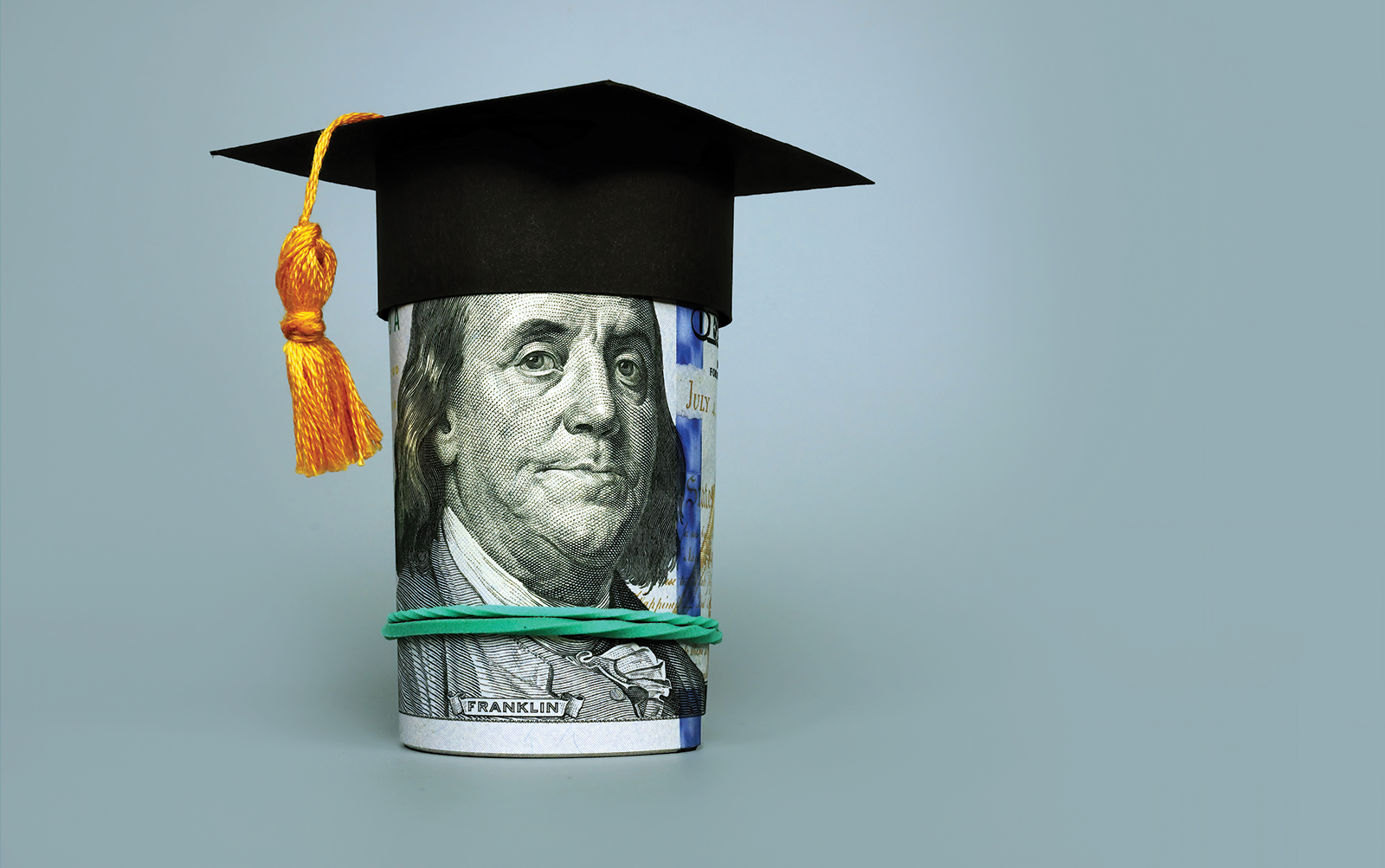
Americans haven’t given up on higher education—but a wave of new survey data released this summer shows just how badly the cost of a degree is straining them.
A Gallup survey conducted in partnership with Lumina Foundation and released in July found that just 12% of U.S. adults rate four-year colleges as doing an excellent or good job providing an affordable education, while nearly two-thirds call it poor. Affordability was the lowest-rated of seven attributes Gallup tested, trailing well behind marks for research output and educational quality. Two-year colleges fared far better: 54% of respondents rated community colleges positively on affordability, and they also topped four-year schools on quality, access, and workforce preparation.
The survey also found that Americans haven’t soured on the four-year degree itself. About three in four parents of children under 18 still want their child to pursue some form of education after high school, and the bachelor’s degree remains the single most popular choice, preferred by 38%—more than double the share favoring a two-year college. Courtney Brown, Lumina’s chief data and research officer, argued in a July 22 post that Americans are applying a different, more performance-based standard when judging colleges generally, even as they continue viewing the bachelor’s degree as the surest path to opportunity for their own children.
“Americans see a higher education system that does many things reasonably well, but falls short on the single dimension that most directly determines whether students can access it,” says Stephanie Marken, a senior partner at Gallup. “Four-year institutions earn their poorest marks by far on affordability, and that judgment holds across age, education, race, and party lines, with a level of consensus rarely seen in public opinion on higher education.”
Cost is the reason most parents give when they don’t want their child to attend a four-year school. Thirty-three percent cite expense directly, and another 11% point to fear of incurring debt. Americans overwhelmingly place responsibility for fixing the problem on colleges and government: 76% name individual institutions among the parties most responsible and most also point to state and federal governments.
A companion Gallup-Lumina report, The State of Higher Education 2026, backs up the affordability anxiety with numbers from the other side of the enrollment counter. Only 25% of adults without a college degree believe most Americans have access to a quality, affordable education if they want one—down 10 percentage points since 2023. Cost ranks as the second most common reason enrolled students consider dropping out, just behind emotional stress. Even relatively small student loan balances carry consequences: about a third of graduates who borrowed less than $10,000 say the debt has delayed a major life decision such as buying a home or saving for retirement.
“Americans have not lost faith in higher education,” the report reads. “But faith alone will not close the gap between aspiration and attainment.”
Ellucian’s newly released 2026 Student Voice Report, based on a survey of more than 2,000 students and college-bound high schoolers, points to the same pressure point. Fully 89% of students said they would have chosen a different college for more scholarship money, and nearly half said as little as $5,000 in additional aid would have changed where they enrolled. Ninety percent said financial stress has affected their mental health.
The timing adds urgency. New federal borrowing caps and the elimination of Grad PLUS loans under the One Big Beautiful Bill Act take effect this month, arriving just as institutions experiment with income-based tuition and guaranteed four-year pricing to try to close the gap between what families fear college costs and what it actually does cost.