Have you ever wanted to ask someone about their background, identity, or beliefs based on what you see, but hesitated? Navigating these interactions with curiosity rather than judgment is crucial for building inclusive campus environments through a lens of cultural fluency. Yet students, faculty, and staff often express that speaking up, engaging in open dialogue, or sharing differing points of view on campus can feel intimidating.
To bridge this gap, as Director of the Intercultural Center at Brandeis University, I introduced a novel initiative, Be Curious Dinners, in 2024. I was inspired by the TV character Ted Lasso, and my premise was simple: lean into the iconic philosophy of being curious, not judgmental. The idea was to invite community members to share a meal and engage in candid, guided conversations about topics we often shy away from, including race, politics, religion, gender identity, and socio-economic class.
I sought guidance and support from my division leader and he was on board right away. We eagerly allocated resources to bring my vision to life and agreed that this was timely since it was a presidential election year and people wanted to discuss politics, but were hesitant.
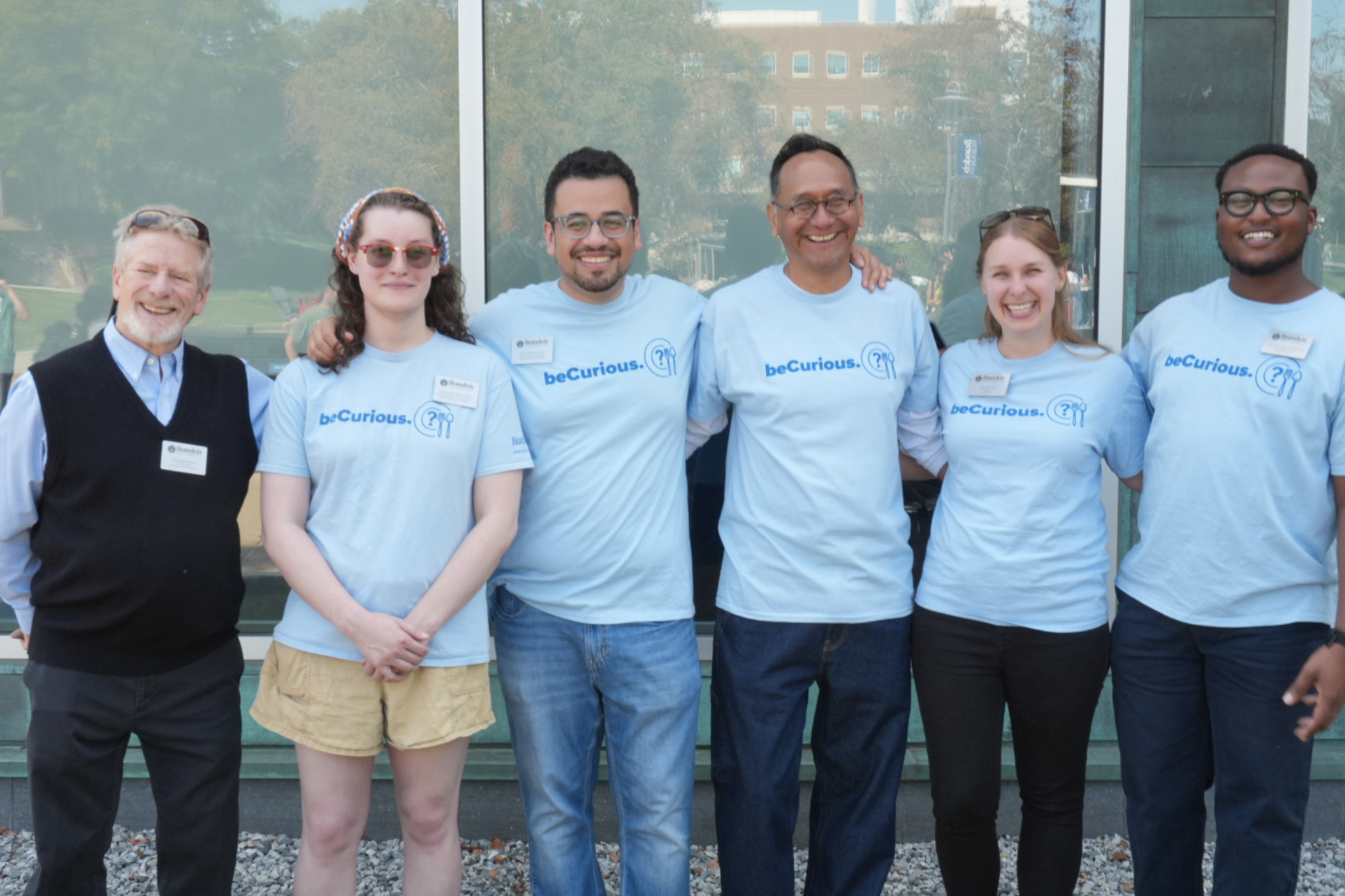
The format for a Be Curious Dinner is intentionally designed to spark connection. Prospective attendees accept their invitations without knowing the evening’s topic of conversation. Upon arrival, they are randomly assigned to a table of 6–7 students, staff, and faculty. Before the engagement begins, ground rules are introduced for holding productive conversations on sensitive issues, and then the topic of the night is revealed. After dessert, facilitators encourage each table to share an insight or appreciation gained from their fellow conversationalists. Attendees left energized—having learned how to approach tough conversations while building meaningful new connections.

The dinners have enabled our campus community to hold authentic conversations about sensitive topics at a time when they so often fuel division rather than belonging.
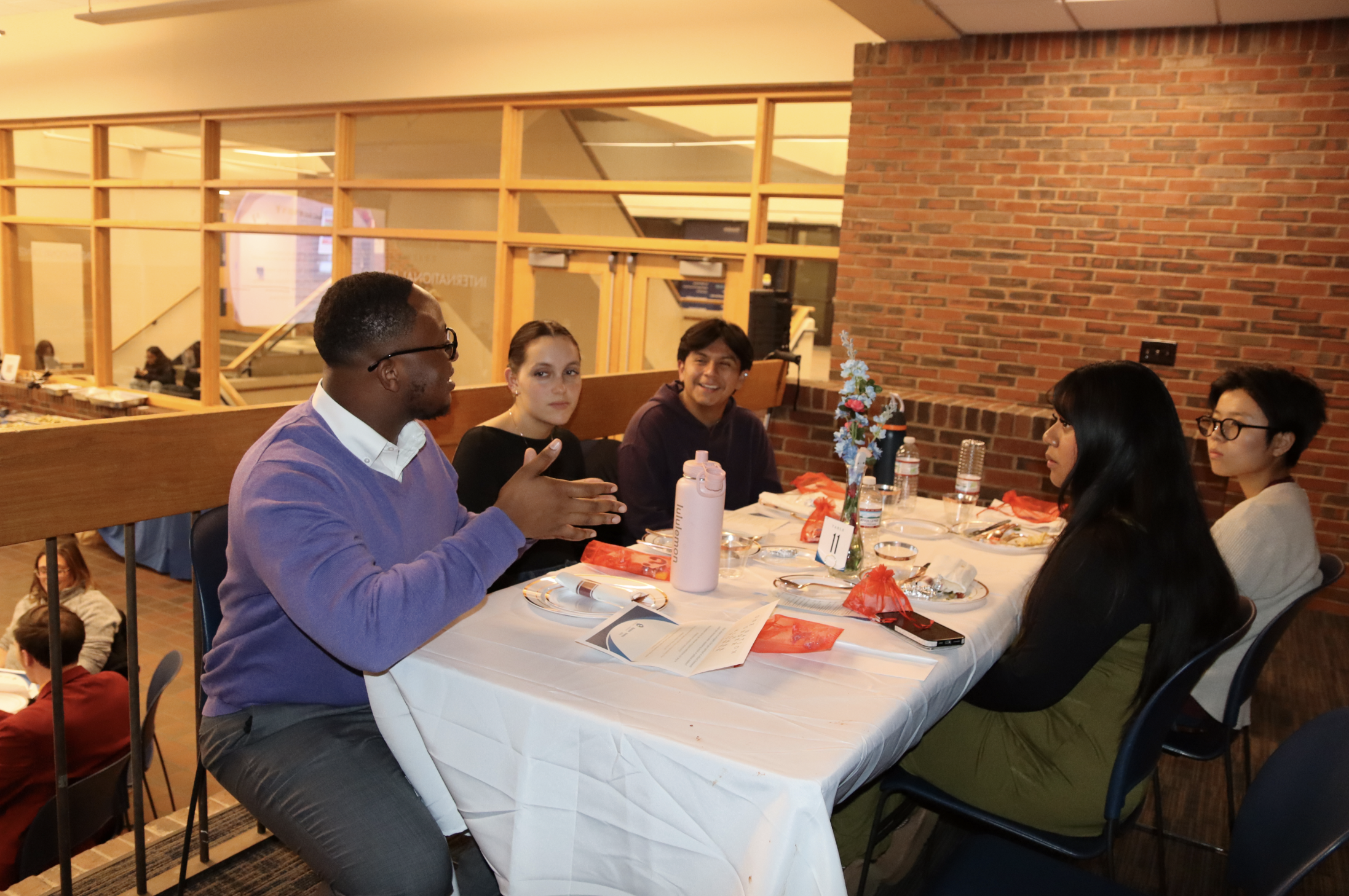
during dinner with students.
The Gender and Sexuality Center and the Center for Spiritual Life partnered with me to integrate their expertise into future events. With all of us serving as co-facilitators, our strong collaboration inspired other campus partners to join our effort. We secured a grant from the Brandeis Legacy Fund, allowing the program to scale rapidly.
In Spring 2026, we launched “Be Curious Bites”—a drop-in food truck event where participants earn meal tickets by answering trivia questions tied to past dinner topics. The “Bites” format also serves as a pipeline, allowing us to register future dinner guests and ensure at least half of every table consists of first-time participants.
The impact has been extraordinary! Across all formats, Be Curious has engaged more than 1,150 Brandeis community members, including students, faculty, staff, and local community members. Traditional dinners consistently carry long waitlists, while the food truck events alone have reached more than 900 participants.
More importantly, participant feedback highlights a profound appetite for safe, candid dialogue. In anonymous feedback, one participant said:
“There is this stigma where you can’t really speak your mind on campus, and here, I felt encouraged to be curious. It feels like a safe space just to say what you want about a topic.”
Another said:
“Right now, we live in a world where it’s quite hard to voice your opinion, especially when it isn’t popular. This is an opportunity to learn, collaborate, and be educated, but most importantly, to understand each other.”
And a third:
“I feel like not all of our classes allow us to connect current world events to the coursework. Having an outside-of-class space to talk about these things is really cool.”
Ultimately, these memorable conversations are rooted in vulnerability, reflection, and shared learning. Our approach is grounded in cultural fluency, so Be Curious imparts essential skills for college students—including empathy, active listening, and the capacity to navigate complex cultural nuances across diverse contexts. Because this model relies on simple frameworks and genuine human connection, it can easily be adapted to any institution, and we encourage other campuses to explore this possibility.
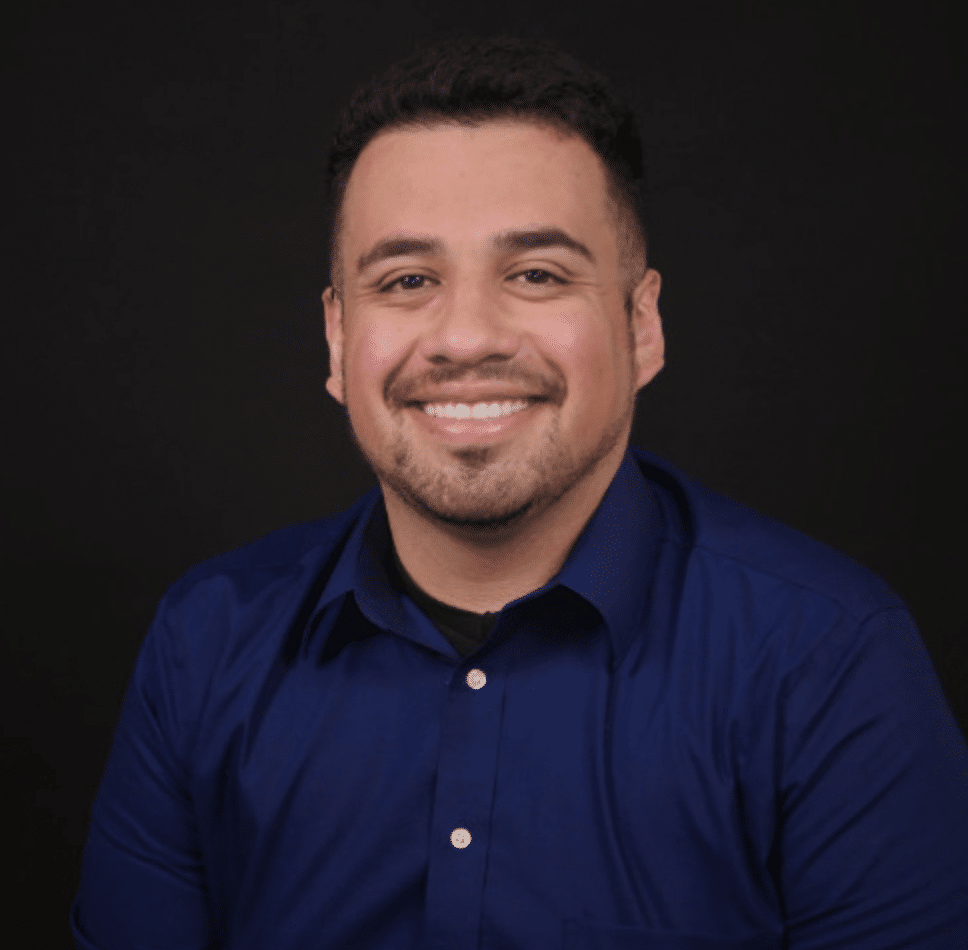
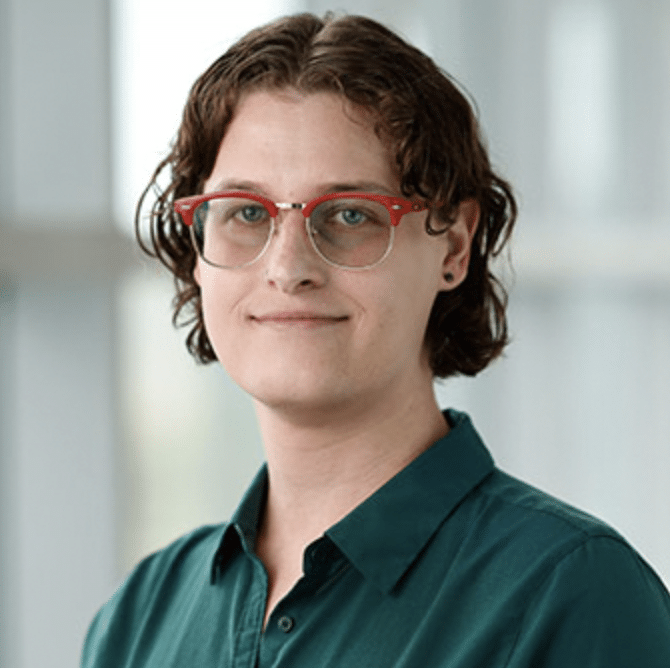
Peter Rojas is the director of the Intercultural Center at Brandeis University, Jamie Wire is the director of the Gender and Sexuality Center, Lara Ericson is the director of the Center for Spiritual Life, and Lee Bitsóí is the vice provost for access and excellence.