For years, the schedule is practically written for them. Wake up, train, attend class, practice, compete, recover, and repeat. Somewhere between early-morning workouts and weekend road trips, college student-athletes build friendships, routines, and identities around the sports they love.
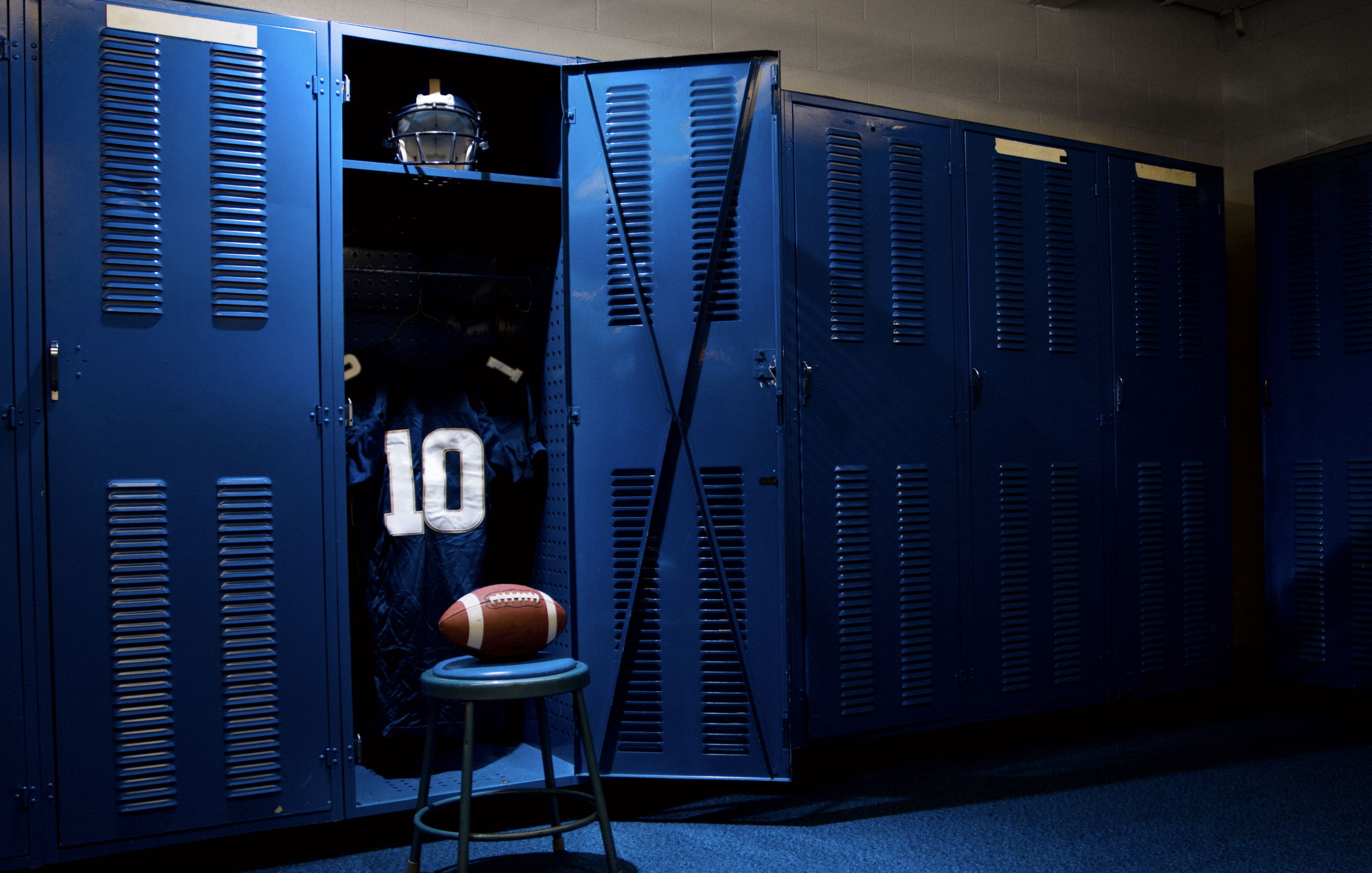
Then, one day college ends. For most, so does their competitive athletic career. There is no halftime speech for the transition.
Colleges invest considerable resources in preparing athletes to compete, but preparing them for life without competition presents a different challenge. New NCAA research suggests that while student-athletes recognize the value of their athletic experiences, many remain uncertain about what comes next.
Among juniors and older Division I athletes responding to the NCAA’s 2025-26 Student-Athlete Needs, Aspirations and Perspectives study, 60% in men’s sports and 53% in women’s sports agreed or strongly agreed that they felt ready to transition out of competitive athletics. Yet the NCAA’s 2025 Growth, Opportunities, Aspirations and Learning of Students in College study found that more than 80% of respondents credited athletics with developing skills such as leadership, time management, adaptability, and the ability to perform under pressure.

The distinction matters. Being ready for a career is not necessarily the same as being ready to stop being an athlete.
When the Schedule Disappears
For student-athletes, sports often provide more than competition. They offer structure, community, mentorship, and a sense of purpose. Losing those familiar experiences can require adjustments that extend beyond finding employment.
Research published in Frontiers in Sports and Active Living in January 2026 examined the experiences of 30 former college varsity athletes navigating life after competitive sports. Researchers identified changes involving exercise, nutrition, injury management, career planning, and social support as important considerations during the transition.
Some recently graduated athletes may welcome the freedom to explore interests previously constrained by demanding schedules. Others may struggle to replace the routines, relationships, and identities that shaped their college experiences. Neither is universal. But both suggest that readying athletes for graduation should involve more than just helping them write résumés.
Preparing for the Next Chapter
Some colleges are already developing programs that address the professional and personal dimensions of leaving athletics.
At Illinois Wesleyan University, the Life After Sports program helps graduating student-athletes navigate the transition through self-assessments, values-based activities, and guided reflection. Offered each semester, the program encourages participants to recognize skills developed through competition while considering how those experiences can shape their identities and goals beyond sports.
Georgia Southern University takes a career-focused approach through Athletes Preparing for Employment Experiences. In summer 2025, the university expanded its programming to include football and men’s and women’s basketball players. Over three weeks, participants attended sessions on interviewing, personal finance, social media, personal branding, and name, image, and likeness opportunities. Seniors and graduate students also participated in a networking luncheon involving representatives from 14 corporate partners.
At Georgia State University, the Counseling Center addresses another dimension of the transition: identity. Its Beyond the Game workbook encourages student-athletes to reflect on their college experiences, explore who they are beyond competition, and envision their next chapters.
These initiatives illustrate three complementary approaches: helping athletes understand who they are, preparing them for employment, and providing resources to navigate the personal adjustments that accompany leaving sports.
More Than a Career Plan
Sometimes a student-athlete’s need to transition arrives unexpectedly. An injury, loss of eligibility, or decision to step away from competition altogether may end a sports career. That makes preparation throughout college particularly important.
Universities can help by connecting athletes with internships, career counseling, mentorship, and opportunities to develop relationships beyond their teams. Mental health resources and conversations about athletic identity can complement traditional professional development.
But access alone does not establish effectiveness. Institutions also need to consider whether athletes know these resources exist, can realistically participate around athletic commitments, and receive support before their final seasons.
Not every former athlete will struggle with the transition. Not every student-athlete will need the same support. Still, colleges have an opportunity to prepare them for more than the next game, the next season, or even graduation.
Colleges have spent decades teaching athletes how to represent their institutions. Preparing them for life after sports means ensuring they also know how to represent themselves when the jersey comes off.