A pair of federal court actions are forcing the Trump administration to defend immigration enforcement measures that critics say are upending the lives of foreign-born students, faculty, and workers — including those connected to American colleges and universities.
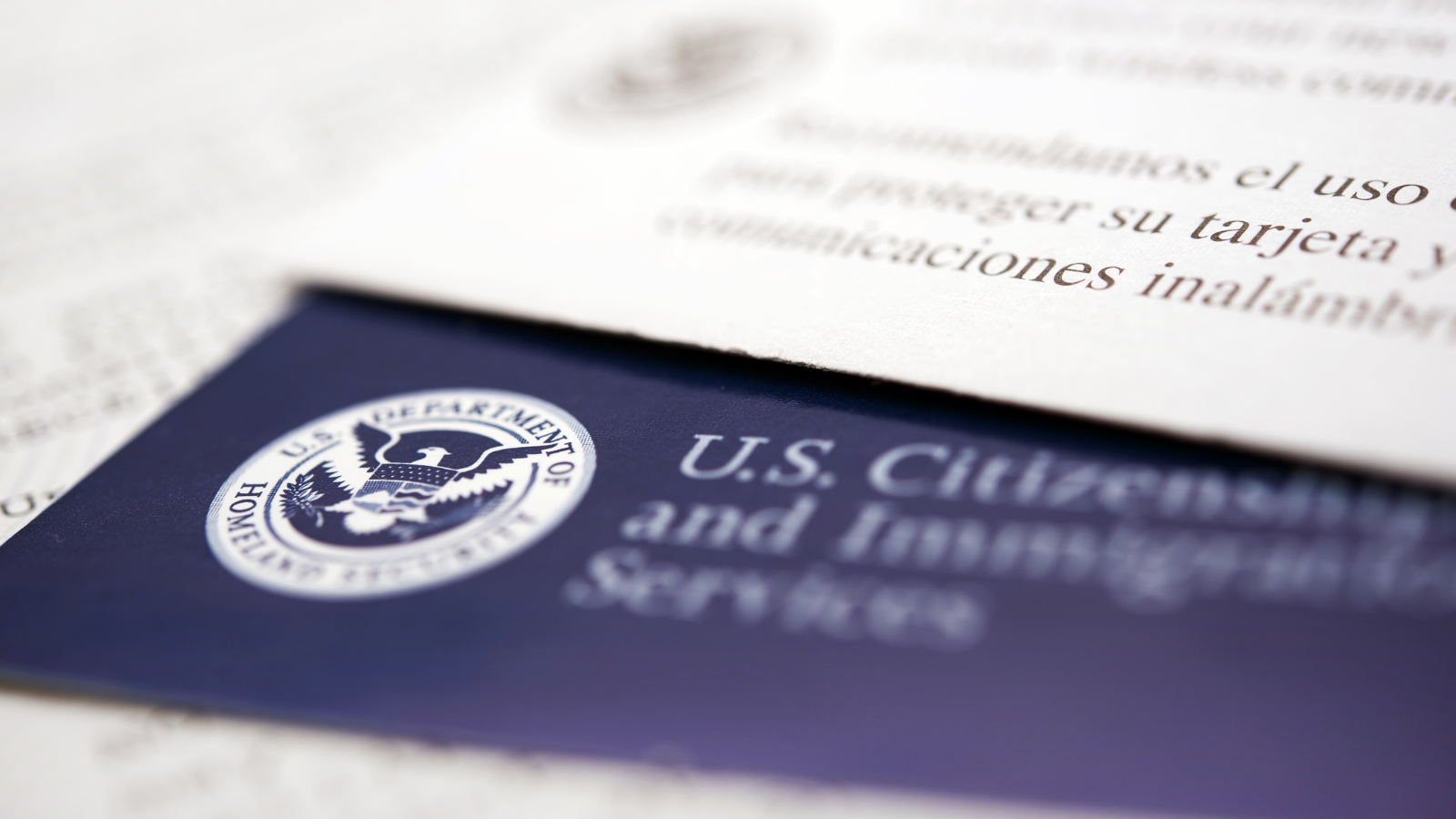
In the more sweeping of the two rulings, Chief Judge John J. McConnell, Jr. of the U.S. District Court for the District of Rhode Island issued a scathing 135-page order on June 5 declaring four U.S. Citizenship and Immigration Services policies unlawful. The policies, implemented beginning in late 2025, had placed an indefinite hold on the adjudication of immigration benefit requests — including work permits, green cards, asylum applications, and citizenship — for individuals from 39 African, Asian, Latin American, and Middle Eastern countries designated by the administration as “high-risk.”
The court found that USCIS had overstepped its statutory authority and acted arbitrarily in implementing the freezes, writing that the agency “justifies its actions with pretextual concerns of ‘national security’ that mask anti-immigrant sentiments that it is forbidden from letting” influence its decision-making. The four challenged policies — the Benefits Hold Policy, the Global Asylum Hold Policy, the Comprehensive Re-Review Policy, and the Country-Specific Factors Policy — were each declared unlawful and vacated.
The ruling has direct implications for higher education. International students, graduate researchers, and faculty from the affected countries have found themselves in indefinite limbo, unable to obtain work authorization or adjust their immigration status despite having filed the required paperwork, paid fees, and completed biometrics and interviews. The court noted that the affected individuals were doing everything right under the law. Nonprofit organizations representing affected immigrants argued they had been forced to divert significant resources to support a “flood of requests for assistance” from member colleges and universities — language echoed in a related Massachusetts federal case cited in the ruling.
Separately, a legal battle over a different Trump immigration policy — a $100,000 fee on certain H-1B visa petitions — remains unresolved and in flux. A federal district court in Massachusetts struck down the fee on June 8, finding that USCIS lacked the authority to impose it under a September 2025 presidential proclamation. But four days later, the government appealed to the U.S. Court of Appeals for the First Circuit and successfully obtained a temporary pause of that ruling while the appeal proceeds.
As of now, USCIS may continue collecting the $100,000 fee for H-1B petitions filed through the consular notification process. The government must formally request a stay from the First Circuit by June 18 for the pause to remain in effect. The case is proceeding as State of California, et al. v. Mullin, et al., No. 26-1699.
The H-1B fee is particularly consequential for research universities and teaching hospitals, which rely heavily on the visa program to hire international faculty, postdoctoral researchers, and specialized staff. A six-figure filing fee effectively prices out many academic institutions — especially smaller colleges and nonprofits operating on tight budgets — from sponsoring foreign workers. Immigration attorneys are advising employers to budget for the fee, evaluate alternative filing strategies, and monitor developments closely, as the legal landscape could shift quickly.
Taken together, the two cases reflect an increasingly aggressive posture from the federal courts toward the administration’s immigration agenda — and an equally aggressive effort by the administration to preserve its enforcement tools through the appellate process. For colleges and universities already navigating student visa revocations and a chilling effect on international enrollment, the uncertainty shows little sign of abating.