The NAACP is calling on Black athletes, fans, and donors to withhold support from major public university athletic programs in several Southern states, arguing that recent redistricting efforts following a Supreme Court ruling on voting rights are undermining Black political representation.
In a campaign launched May 19 called “Out of Bounds,” the civil rights organization urged Black student-athletes to reconsider commitments to flagship universities in Tennessee, Louisiana, Alabama, Florida, Mississippi, South Carolina, Texas, and Georgia. The campaign comes in response to the Supreme Court’s 6-3 decision in Louisiana v. Callais, which weakened remaining protections under the Voting Rights Act and prompted renewed redistricting efforts across the South.
The NAACP said the targeted states moved quickly after the ruling to redraw congressional maps in ways that dilute Black voting power. In a press release announcing the campaign, NAACP President and CEO Derrick Johnson accused state governments and public universities of benefiting from Black athletes while remaining silent on voting rights issues.
“What these states have done is not a policy disagreement. It is a sprint to erase Black political power,” Johnson said. “The NAACP will not watch the same institutions that depend on Black athletic prowess to fill their stadiums and their bank accounts remain silent while their states strip Black communities of their voice.”

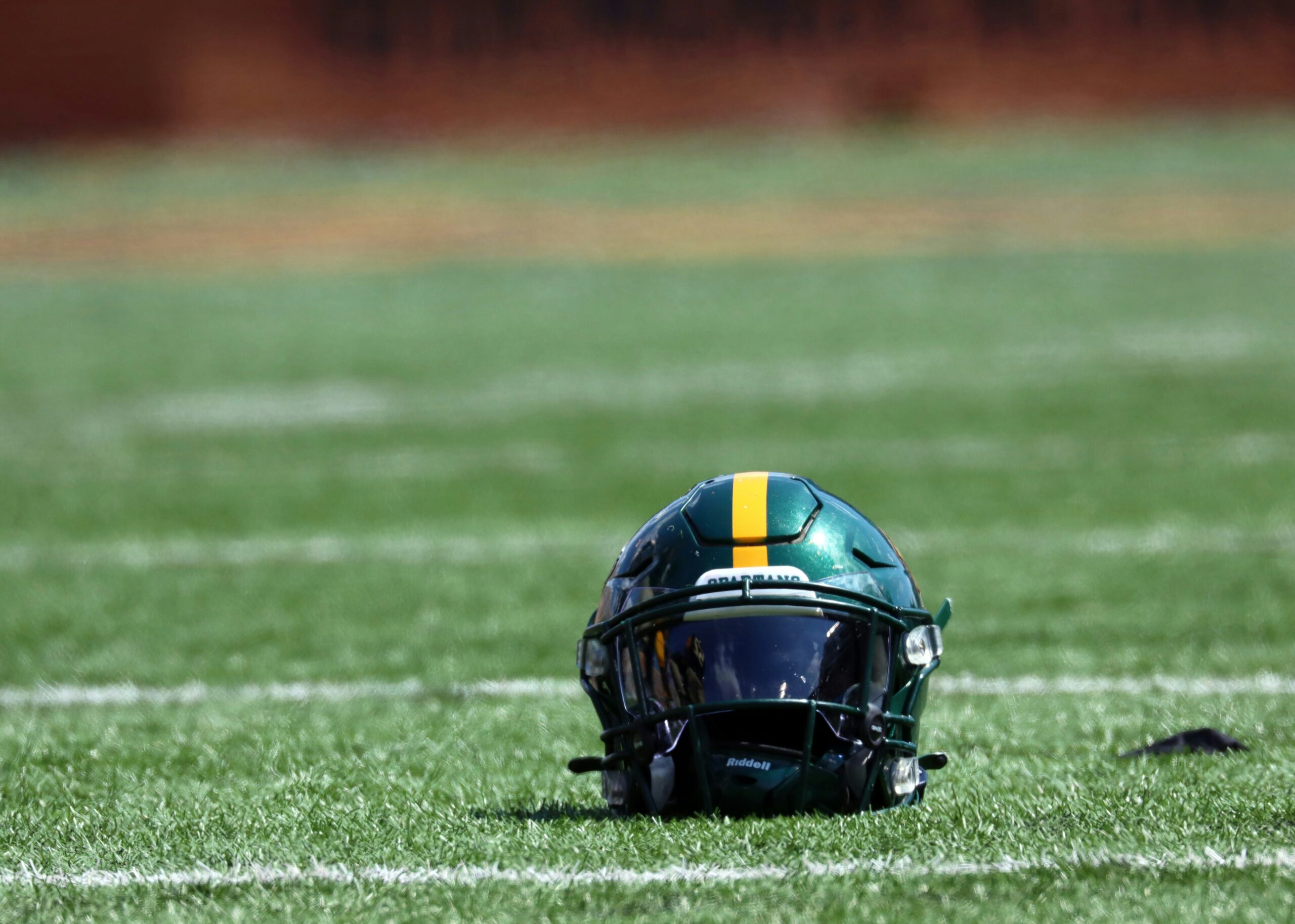
The campaign focuses heavily on Southeastern Conference programs, including universities with nationally prominent football teams such as the University of Alabama, University of Texas at Austin, University of Georgia, and University of Mississippi. According to the NAACP, the athletic departments at flagship universities in the eight targeted states collectively generate billions of dollars in annual revenue while relying heavily on Black athletes.
The organization is asking recruits to withhold commitments until states restore what it describes as fair congressional maps and meaningful Black representation. Current athletes are also being encouraged to use their platforms to advocate for voting rights issues and, where appropriate, consider entering the transfer portal. Fans, alumni, and donors are being asked to redirect spending on tickets, apparel, and merchandise toward historically Black colleges and universities, including HBCU athletics programs and scholarship funds.
“This generation of Black athletes understands something that those who came before them were never afforded the chance to say so plainly: your talent is yours, and so is your community’s political power,” said Tylik McMillan, the NAACP’s national director for youth and college programs.
The campaign arrives amid escalating political battles over congressional redistricting in the South. NBC News reported that lawmakers in Tennessee recently divided the state’s lone majority-Black congressional district into three Republican-leaning districts, prompting Democratic Rep. Steve Cohen to announce he would not seek reelection. In Louisiana, legislators have advanced proposals that could eliminate one of the state’s majority-minority districts.
Democratic leaders and civil rights advocates have largely supported the NAACP’s campaign. At a Congressional Black Caucus news conference, House Minority Leader Hakeem Jeffries said lawmakers would support athletes who choose to participate in the boycott effort.
“We will continue to stand with the NAACP in encouraging athletes in our community to look elsewhere until these racially gerrymandered maps in the South are reversed, buried in the ground never to rise again,” Jeffries said.
The Congressional Black Caucus has also linked the issue to federal college athletics legislation. According to the Associated Press, the caucus announced it would oppose the proposed SCORE Act — a bill backed by major athletic conferences to regulate athlete compensation — unless athletic organizations publicly opposed the new redistricting efforts.
Republican officials criticized the boycott proposal. Alan Wilson, South Carolina’s attorney general and a gubernatorial candidate, wrote on X that “Student athletes should not be used by the NAACP for political gain because they disagree with a Supreme Court ruling.”
The long-term impact of the campaign remains uncertain. Transfer portals for major Division I sports are currently closed until 2027, limiting immediate movement among current athletes. Still, advocates argue that pressure from top high school recruits and economic boycotts could influence universities and state leaders, particularly in conferences where college athletics generate substantial revenue and national attention.
The NAACP said the “Out of Bounds” campaign will continue until targeted states adopt stronger voting rights protections and redraw districts to better reflect Black voting populations.