
The Trump administration announced Tuesday it will transfer two of the U.S. Department of Education’s most consequential functions — oversight of special education programs and enforcement of student civil rights — to other federal agencies, a move critics say amounts to a further dismantling of a department the president has long vowed to eliminate.
Under the new interagency agreements, much of the Office of Special Education and Rehabilitative Services (OSERS) will shift to the Department of Health and Human Services, while the Education Department’s Office for Civil Rights (OCR) will be folded into a partnership with the Department of Justice. OSERS administers programs tied to the Individuals with Disabilities Education Act (IDEA), the landmark 1975 law guaranteeing disabled students access to a free and appropriate public education. OCR, meanwhile, employs civil rights attorneys charged with protecting students from discrimination on the basis of disability, gender, race, and national origin.
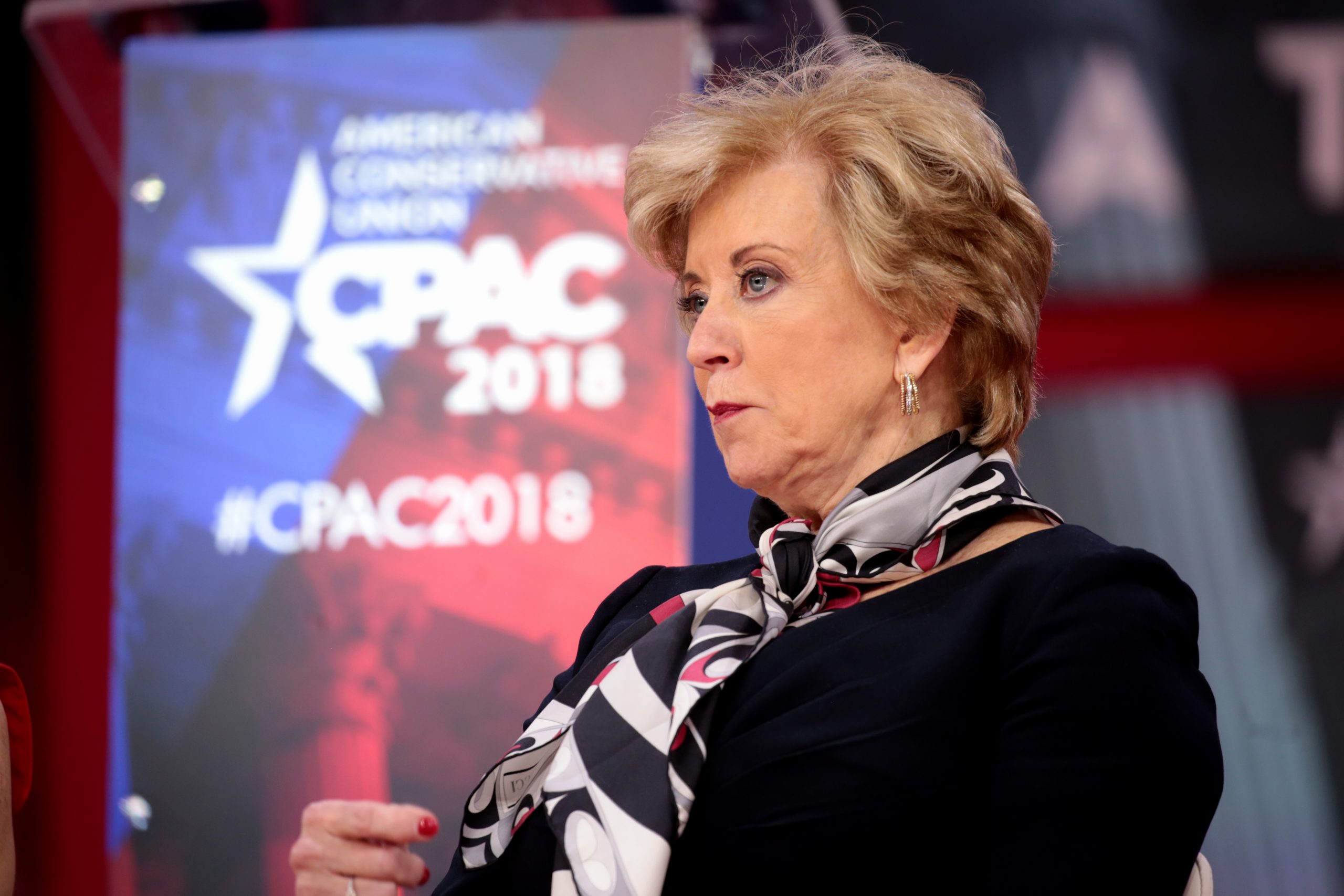
Education Secretary Linda McMahon framed the changes as a streamlining effort, saying in a press release that the HHS partnership would “align federal services with the goal of strengthening academic outcomes and supporting individuals with disabilities so that they can achieve greater independence, key life skills, and meaningful employment.” On the civil rights side, McMahon said the arrangement would “ensure stronger, more coordinated civil rights enforcement and robust protections for student privacy.”
The administration described the moves as “partnerships” rather than transfers, though senior department officials who briefed reporters on the condition of anonymity were unable to say clearly how existing staff would be affected. The announcement follows months of turbulence at OCR, which has faced repeated rounds of threatened staff cuts and subsequent reversals under the Trump administration.


Disability rights advocates and education equity organizations were swift and sharp in their condemnation. Denise Forte, president and CEO of Ed Trust, a think tank focused on education inequity, called it “another vindictive attempt to undermine public education,” adding that “at this moment, when we know that children with disabilities need more support, not less — HHS is not the place for that.”
A former OSERS employee, who spoke to NPR anonymously out of fear of professional retaliation, was even more pointed. “My stomach drops for children and parents of infants, toddlers, children and young adults with disabilities,” they said. “The move would separate out oversight of the implementation of IDEA and it would decimate civil rights protections that have been in place for more than 50 years.” The former staffer — who has a disability and is the parent of an adult with disabilities — warned that without robust federal oversight, schools’ obligations to disabled students could quietly go unmet. “If nobody’s looking,” they said, “they could buy football jerseys rather than pay for a one-on-one aide for a child with autism.”
The moves come alongside a separate Education Department announcement Tuesday that Indiana has become the third state to receive a “Returning Education to the States Waiver,” allowing it to consolidate multiple federal funding streams and reduce what the administration calls bureaucratic compliance costs. Iowa and Louisiana previously received similar waivers.
Taken together, Tuesday’s announcements reflect what McMahon has described as a deliberate effort to “peel back the layers of federal bureaucracy by partnering with agencies that are better suited to manage programs and empowering states and local leaders to oversee the rest.” But for families of children with disabilities and civil rights advocates, the restructuring raises an urgent question the administration has yet to fully answer: who, exactly, will be watching?