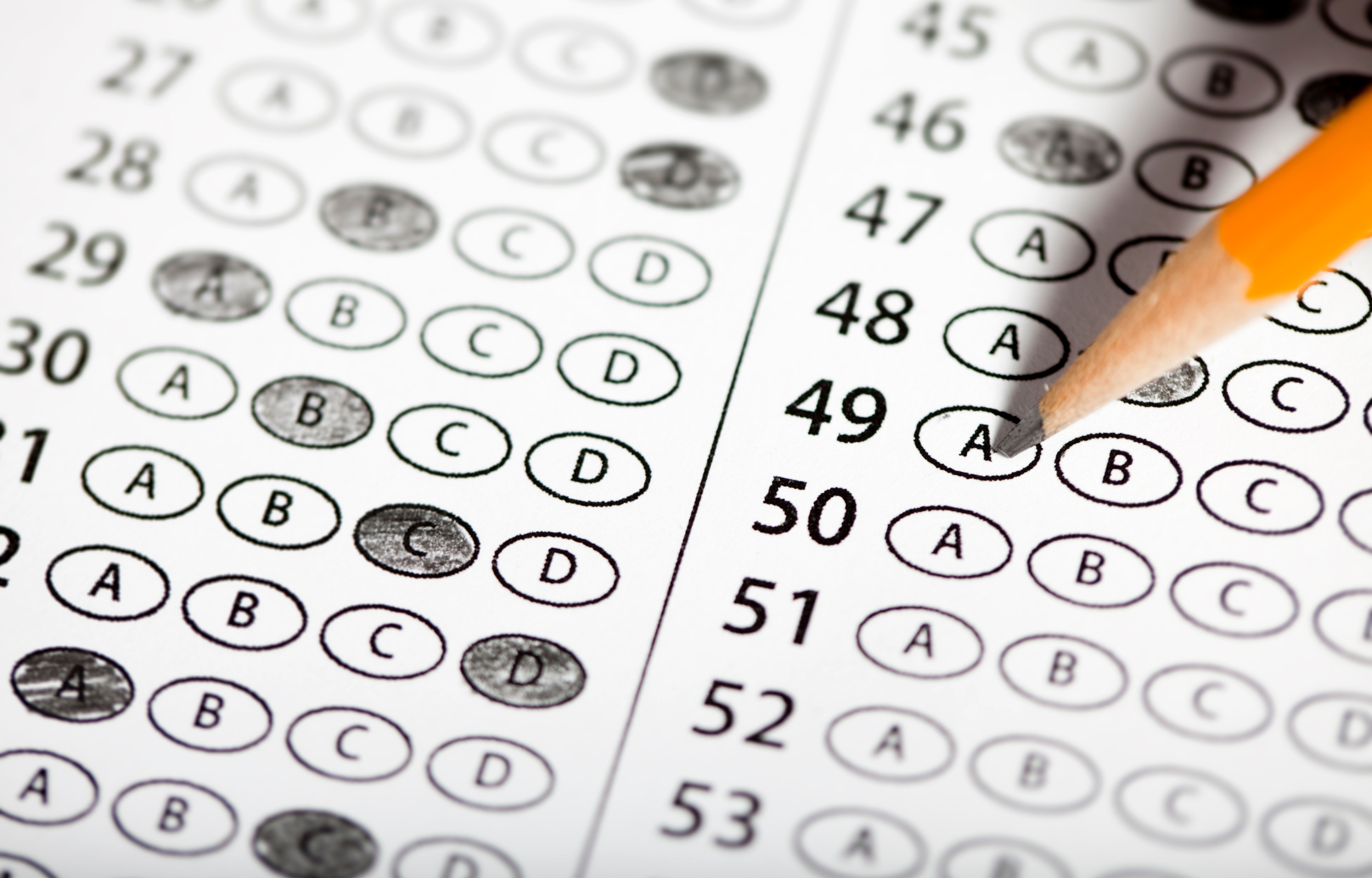
The University of California (UC) is adjusting, rather than abandoning, its promised review of standardized testing in undergraduate admissions, after days of confusion over the process’s status.
Reports surfaced July 13 that the Academic Senate’s Board of Admissions and Relations with Schools had voted three days earlier to withdraw its original review structure, which called for two separate faculty working groups — one on the SAT and ACT, another on high school course requirements — with final recommendations due by mid-2027.
Academic Senate Chair Ahmet Palazoglu disputed characterizations that the Senate was retreating from the issue. In a statement released through the UC Office of the President, he said the body was updating its timeline rather than its commitment, promising a review that would be “thorough, evidence-based and informed by faculty expertise.”
At this week’s UC Board of Regents meeting in San Francisco, Board Chair Maria Anguiano echoed that framing, telling members the review would be a major focus of both the board and the Senate over the coming year and saying the goal was, in her words, “not to rehash old questions or data” but to rethink how the university defines college readiness. UC President James Milliken added that the university’s shared-governance model obligates the Board and administration to work closely with faculty experts on questions of college readiness, including both the state’s A-G course requirements and the role of entrance exams.

The Senate now says faculty will deliver a recommendation on testing policy by June 2027, aligning with the timeline the Regents had already set.
The reversal follows months of mounting faculty pressure. In a June 5 open letter, UC mathematics and other STEM faculty argued that current admissions practices leave too many students unprepared for college-level quantitative coursework. The letter cites a UC San Diego faculty workgroup report finding that the number of students with below-high-school-level math skills has grown nearly thirtyfold over five years, with most of those students below middle-school level. The signers wrote that existing screening does not “provide a sufficiently reliable check on mathematical readiness for STEM majors,” and called on UC to require SAT or ACT math scores for STEM-intensive majors beginning with the 2027-28 admissions cycle, along with greater faculty authority over related admissions standards. As of this week, nearly 2,400 faculty had signed, including seven of the system’s nine mathematics department chairs.
A companion letter from more than 900 humanities and social science faculty backs the STEM campaign and separately asks UC to reinstate the exams’ verbal reasoning section, arguing that the growth of AI-assisted writing tools has made essays a less reliable measure of students’ reasoning and reading comprehension.
The debate traces back to 2020, when the UC Board of Regents eliminated the systemwide testing requirement, citing concern that the exams disadvantaged underrepresented applicants — a rationale that continues to inform opposition to reinstating them. UC Berkeley mathematics professor Zvezdelina Stankova, who has publicly supported the faculty campaign, has said that in her own classroom in recent years, “a third of the class was in free fall.”
Though an update on the testing review did not formally appear on the agenda for this week’s Regents meeting, the topic drew extensive comment from faculty, students and others, a sign of how contested the issue remains as the Senate’s new June 2027 deadline approaches.