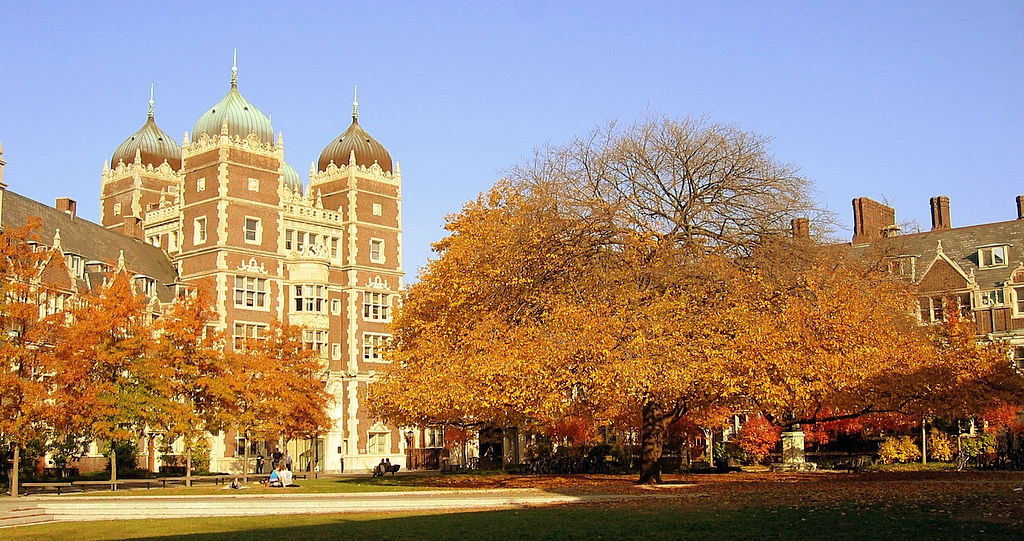
A federal judge has ordered the University of Pennsylvania (UPenn) to comply with a subpoena from the Equal Employment Opportunity Commission (EEOC), requiring the institution to turn over information related to members of its Jewish community. The ruling marks a significant development in an ongoing federal investigation into alleged antisemitic harassment on campus and reflects a broader escalation in the Trump administration’s scrutiny of higher education institutions.
In a decision issued Tuesday, U.S. District Judge Gerald Pappert directed Penn to respond to the EEOC’s request, which seeks information including names and contact details of individuals connected to Jewish organizations or activities at the university. The agency has been investigating what it describes as a “pattern or practice” of antisemitic harassment affecting Jewish employees.
“Though ineptly worded, the request had an understandable purpose—to obtain in a narrowly tailored way, as opposed to seeking information on all university employees, information on individuals in Penn’s Jewish community who could have experienced or witnessed antisemitism in the workplace,” Pappert wrote in his opinion.
The judge’s order grants the EEOC authority to enforce the subpoena but imposes some limits. Penn is not required to disclose individuals’ affiliations with specific Jewish organizations or provide information about certain campus groups not directly operated by the university, including Penn Hillel.

The university has indicated it will appeal the ruling, raising constitutional concerns about the scope of the request and the nature of the data being sought. In a statement, a Penn spokesperson said, “We continue to believe that requiring Penn to create lists of Jewish faculty and staff, and to provide personal contact information, raises serious privacy and First Amendment concerns.” The spokesperson added, “The University does not maintain employee lists by religion.”
The subpoena has generated alarm among some members of Penn’s Jewish community, as well as legal advocates, who argue that the federal government’s demand could set a troubling precedent. Beth Wenger, a faculty member at Penn, told CNN she was “deeply disappointed by the ruling,” adding, “On a fundamental level, I am concerned about the government being allowed to gather the personal information of Jews – or any other group.”
Legal representatives for affected faculty and staff have similarly criticized the subpoena’s breadth. Amanda Shanor, who represents members of the Penn community, said the request effectively amounts to the creation of a list of Jewish employees. “Whether the government has the power to demand lists like this should be important to every American, no matter their faith or political ideology,” she said in a statement following the decision.
Attorneys for the EEOC, however, defended the request as a routine investigative measure. During court proceedings, agency lawyer Debra Lawrence described the subpoena as part of a standard process for identifying potential witnesses in workplace discrimination cases. “I can’t imagine anything more relevant in a hostile work environment case than gathering the folks subjected to that environment and finding what went on,” she said.
The case stems from an EEOC investigation launched in the aftermath of campus protests tied to the October 7, 2023, Hamas attack on Israel and the subsequent war in Gaza. Universities across the country, including Penn, have faced heightened federal scrutiny over their handling of antisemitism allegations during this period. Penn’s former president, Liz Magill, resigned in December 2023 following congressional hearings on the issue.
While the court’s decision allows the investigation to proceed, it also sets the stage for a likely appellate battle over the balance between anti-discrimination enforcement and constitutional protections related to privacy and religious freedom.