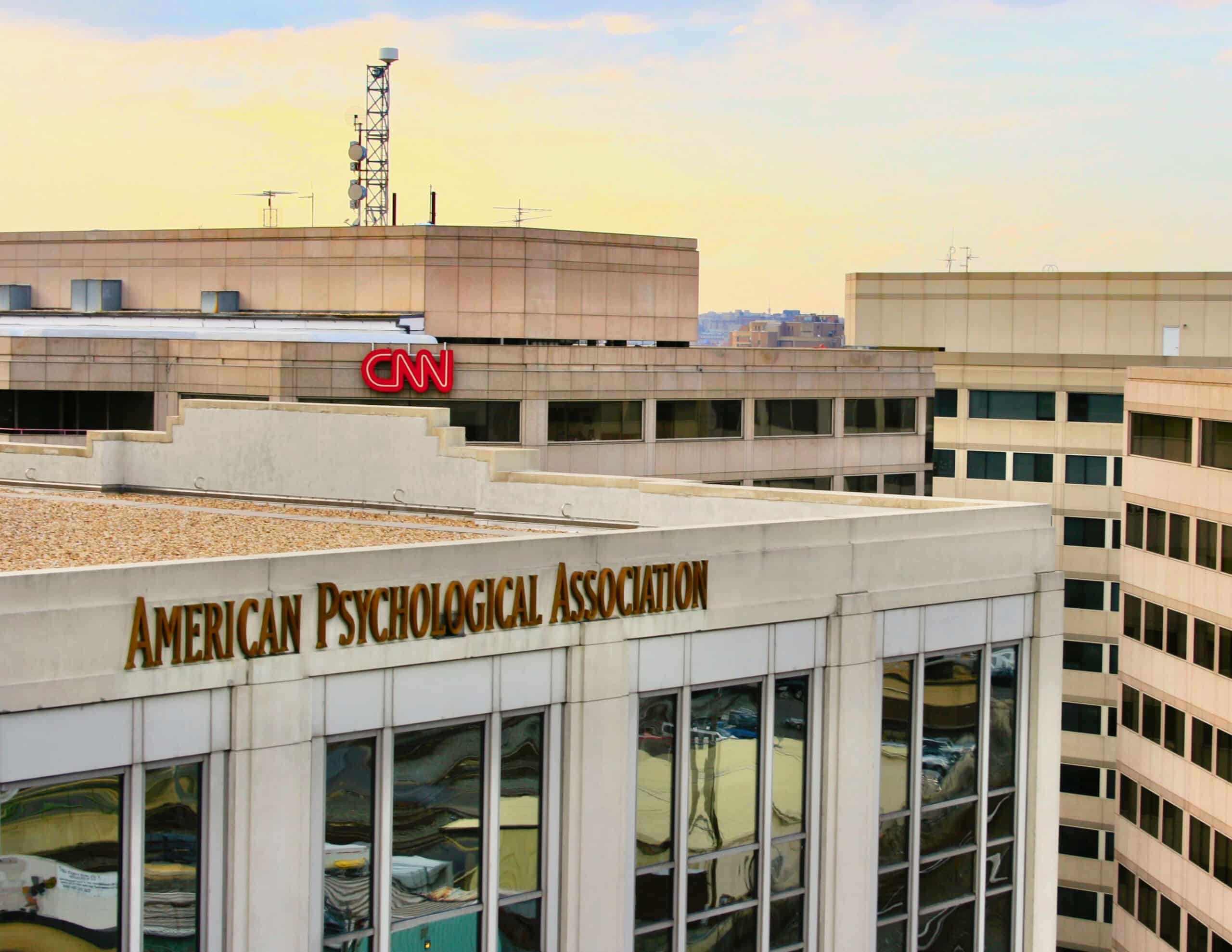
A federal advisory committee has recommended suspending the federal recognition of the American Psychological Association’s (APA) accrediting arm. The recommendation departs from what Education Department staff had advised, and it could threaten funding and licensure pathways for psychology programs nationwide.
The National Advisory Committee on Institutional Quality and Integrity (NACIQI) voted 7-4 at its Sept. 23 meeting to recommend a one-year suspension of the APA Commission on Accreditation’s recognition, the GW Hatchet reported. The recommendation goes to the Education Department. The commission accredits 1,319 programs, according to the staff report.
The vote reversed the course set in that report. Staff had recommended continuing recognition and giving the commission 12 months to fix problems with six federal criteria. Five involved policies, such as timelines for correcting noncompliant programs and procedures for notifying regulators. The sixth, monitoring whether accredited programs stay in compliance, drew the most scrutiny.
On that criterion, staff said the commission was unaware that the Education Department’s Office for Civil Rights had investigated antisemitism allegations at George Washington University’s professional psychology program. The 2023 complaint, filed by the advocacy group StandWithUs, alleged that then-assistant professor Lara Sheehi created a hostile environment for Jewish and Israeli students in a required diversity course. GW settled with the office in January 2025. A law firm hired by the university had earlier found no evidence substantiating the allegations, according to the Hatchet.

Staff noted that the commission conducted a site visit in November 2024 and a periodic review in April 2025, and said it was unaware of the matter even then. They called it a “highly public controversy” that never reached the accreditor.
The commission strongly disagrees with the recommendation. In prepared remarks, its leaders said no one filed a complaint with the commission about GW. They also said the program’s self-study predated the federal complaint, and that neither the Office for Civil Rights nor the university sent the resolution agreement to the commission. They said the incident reflected “a confluence of facts” rather than a structural failure.
In a post-meeting statement, Executive Lead Psychologist Aaron Joyce called antisemitism “a pernicious, dangerous and abhorrent bigotry” and said the commission would review the complaints raised at the hearing. He also disputed the committee’s description of a “pervasive culture of antisemitism” in psychology programs, saying the commission had received only two such complaints across its accredited programs before the meeting. The statement called the recommendation “a bad decision.”
The stakes extend beyond the accreditor. The staff report says federal programs, including those under the Public Health Service Act and the VA’s psychology internship and residency programs, require recognized accreditation. The commission warns that a suspension would cost programs federal training funds and could complicate state licensure. It says rural and veteran-serving programs would be hit hardest. Even if the recommendation stands, the commission says it will remain recognized by the Council for Higher Education and Accreditation.
The case follows other accreditation shake-ups. The American Bar Association’s accreditation council recently repealed its law-school diversity standard after a recommendation from the Education Department. The accreditor for GW’s public health school withdrew from federal recognition in July amid what the Hatchet described as growing “politicization” of the process. President Donald Trump called accreditation a “secret weapon” against diversity, equity and inclusion efforts before taking office.