The College Sports Commission, created through a landmark antitrust settlement, now oversees student-athlete pay at Division I colleges. Here’s what campus leaders should know.
For decades, NCAA rules barred college athletes from being paid beyond receiving scholarships. That era formally ended on June 6, 2025, when a federal judge approved the settlement of House v. NCAA, a class-action antitrust suit that student-athletes brought against the NCAA and five of the country’s largest athletic conferences: the ACC, Big Ten, Big 12, Pac-12, and SEC.
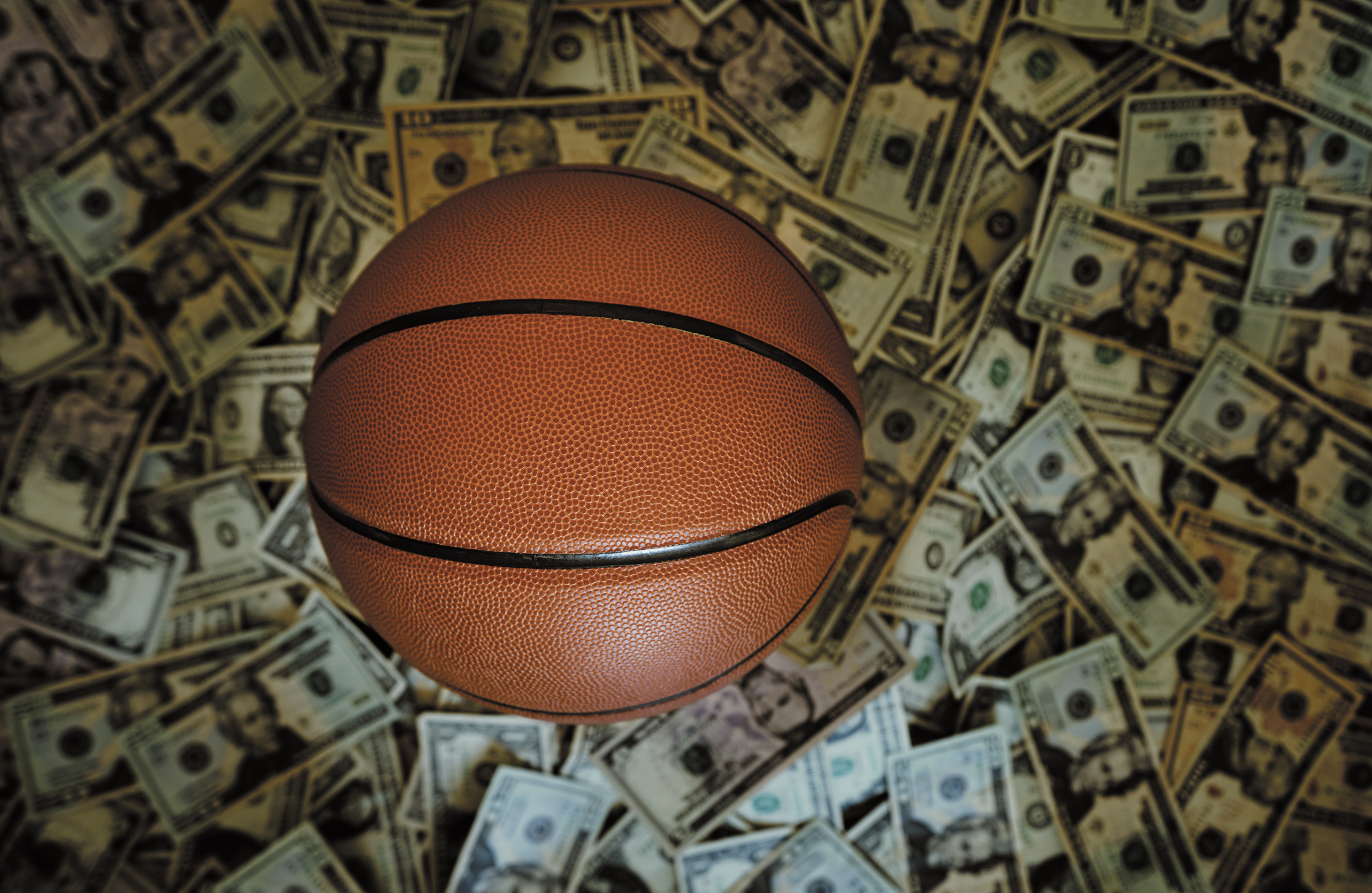
The settlement lets Division I colleges pay athletes directly. The payments are capped at 22% of the average revenue those schools earn from media rights, ticket sales, and sponsorships, which equates to about $21.58 million per college this academic year. To police the new system, the conferences created an independent body, the College Sports Commission (CSC).
“We look forward to implementing this historic settlement designed to bring stability, integrity, and competitive balance to college athletics, while increasing both scholarship and revenue opportunities for student-athletes in all sports,” Big Ten Commissioner Tony Petitti said when the settlement was approved.
What the CSC Oversees
The commission enforces three sets of NCAA rules that grew out of the settlement. The first is the cap on direct payments. The second is a set of limits on roster sizes, which replaced the old caps on athletic scholarships. The third governs athletes’ earnings from their name, image and likeness (NIL), such as endorsement deals. Everything else, including academic eligibility, stays with the NCAA’s own enforcement staff.
Colleges must log every payment agreement with an athlete in a system called CAPS within five business days of their signing, and must attest each year that they stayed under the cap. Athletes, for their part, must submit any outside NIL deal worth $600 or more to NIL Go, a clearinghouse built by Deloitte. Reviewers there weigh whether the payor has ties to the athlete’s college, whether the deal promotes a real product or service, and whether the pay matches what comparable endorsees earn.
That scrutiny is aimed largely at donors. The settlement’s definition of an “associated entity or individual” includes anyone who has given more than $50,000 to a college over their lifetime, a group advancement offices will recognize.
The volume of deals has become substantial. The commission reported on Sept. 9 that NIL Go has cleared 46,478 deals worth $582.49 million since June 2025, including $227.25 million this past July and August alone.
“Our job is to review every deal for compliance with the rules, and to do so consistently, efficiently, and as quickly as we can,” Bryan Seeley, the commission’s CEO, said in a statement. Athletes whose deals are rejected can revise them or take the dispute to neutral arbitration, a process designed to wrap up within 45 days.
What Remains Unsettled
For all the talk of stability, the commission’s enforcement machinery is barely tested. Only one arbitration case was pending as of September 23.
Public universities face a thornier question. The settlement concedes that the NCAA and the conferences cannot waive the constitutional immunity many public institutions have from certain lawsuits. The athletes’ attorneys, however, reserved the right to argue that this immunity doesn’t shield schools from the settlement’s terms. Colleges are also required to arbitrate disputes only where state law allows it.
The rules for challenging the commission are uneven as well. The arbitration procedures for athletes can change only if their attorneys, the NCAA, and the conferences all agree. The commission can revise the procedures for colleges on its own after giving them an opportunity to comment.
Outside pressures loom also. Title IX obligations, a July 2025 presidential executive order, and competing bills in Congress could each reshape the commission’s role before the settlement’s 10-year term ends. It remains to be seen what changes may come in the future.