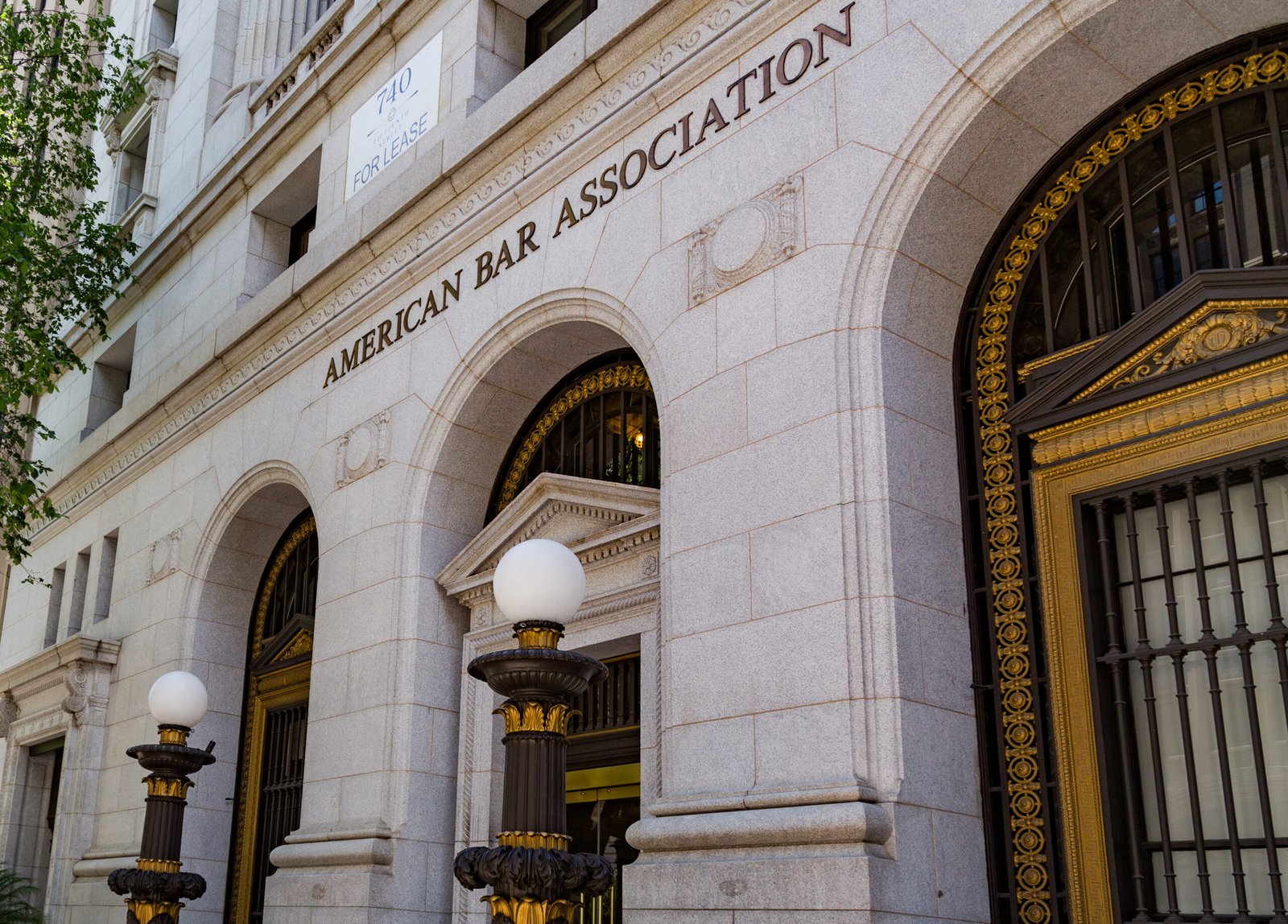
The U.S. Department of Education is moving to end the American Bar Association’s 74-year role overseeing the accreditation of the nation’s law schools, according to a staff report released Aug. 21, marking the latest escalation in the Trump administration’s ongoing campaign against the organization.
Department staff concluded that the ABA’s Council of the Section of Legal Education and Admissions to the Bar failed to meet more than two dozen separate federal criteria required to maintain its status as a recognized accreditor. The report’s central finding is that the council is not sufficiently “separate and independent” from its parent organization, the ABA, as federal regulations require. Investigators also faulted the council for foot-dragging on required rule updates, particularly around distance education, student verification, complaint procedures, and its diversity standard, sometimes waiting years after regulatory deadlines to make changes.
On the independence question, the report describes a governance structure where the ABA’s general House of Delegates still reviews and can send back the council’s proposed policy changes, and where the accreditation project’s finances, though nominally separate, are processed through the ABA’s general financial services department. The council has proposed bylaw changes to sharpen that separation, but those revisions were still pending approval as of the petition’s submission.
On the diversity issue, the report lays out a lengthy timeline: the council itself acknowledged in 2022 that a Supreme Court ruling on affirmative action could eventually force revisions to its diversity standard, and after the Court’s 2023 decision in the Harvard admissions case, training materials continued to acknowledge that revisions were needed. Yet the standard wasn’t formally suspended until February 2025, following the fallout from a Trump executive order the previous April. Investigators concluded the ABA did not act within the 12 months required once it recognized changes were necessary.
The report’s language throughout is notably pointed. Department staff repeatedly wrote that they were “extremely concerned” about the pattern of the ABA making corrections only after the printing of its official rulebook, arguing that such after-the-fact fixes don’t erase years of prior noncompliance.
The ABA’s accreditation council pushed back, with chair Melissa Hart saying in a statement that the group is confident it can address the department’s concerns at a September hearing before an independent federal advisory board, which will review the staff recommendation before a final decision is made months from now.
The clash is the latest in a string of confrontations between the administration and the ABA, which has sued the administration over canceled grant funding and challenged executive orders targeting law firms, while the Justice Department has barred its attorneys from ABA events. Because only about a dozen freestanding law schools rely on the ABA specifically for access to federal student aid, some accreditation experts say the practical impact of losing recognition could be limited even as the broader political fight continues.