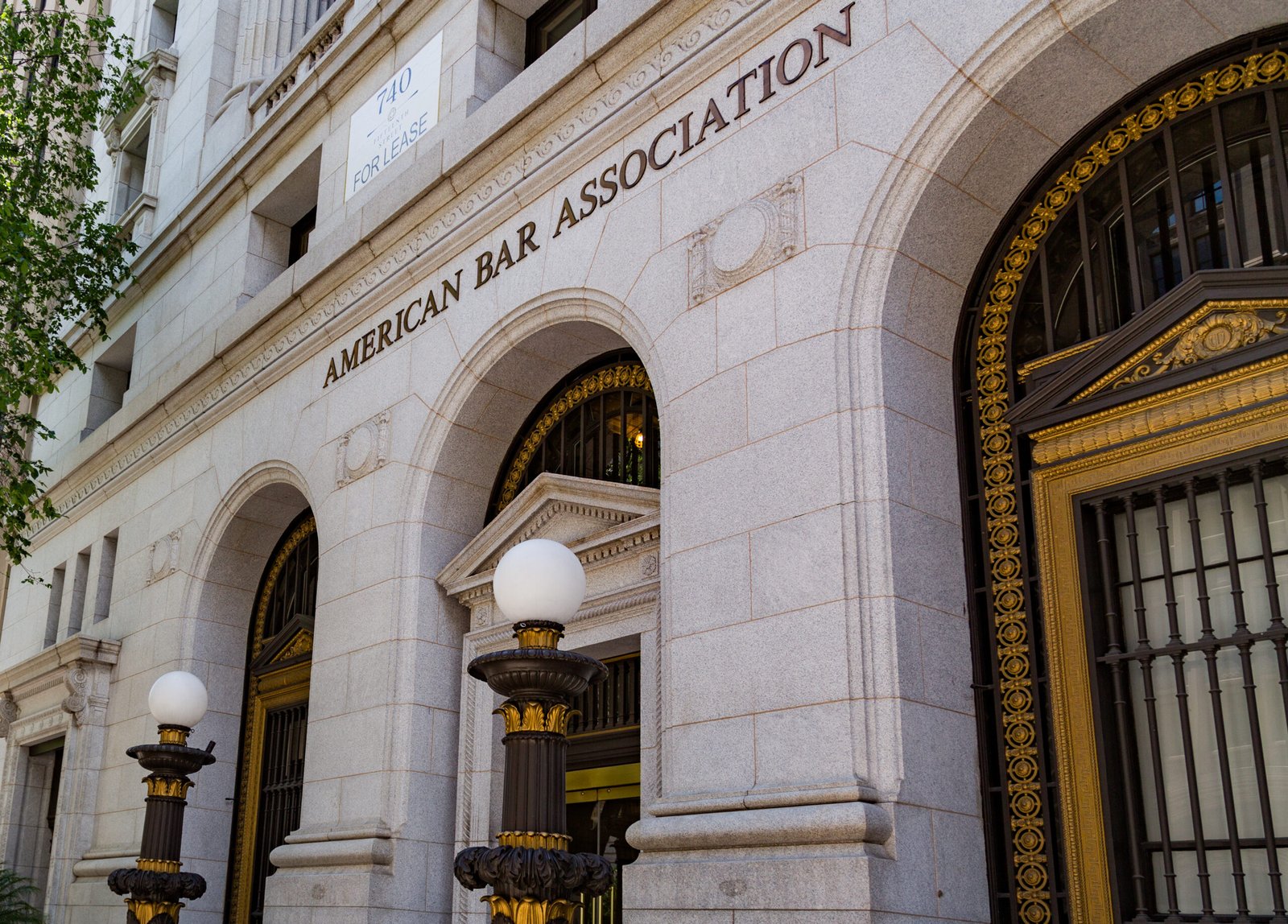
The American Bar Association (ABA) voted Tuesday to officially eliminate its diversity, equity and inclusion requirement for law schools, ending a two-year fight over the rule as the organization tries to preserve its authority to accredit the nation’s law schools.
The ABA’s Council of the Section of Legal Education and Admissions to the Bar met in a special session to strike down Standard 206, which had required schools seeking accreditation to show concrete commitments to diversity in admissions, hiring and campus programming. The council approved the repeal by a 10-6 vote, with one member abstaining.
Council Chair Melissa Hart framed the move as an act of survival rather than a shift in values. In a statement, she said eliminating the standard was “necessary to preserve recognition by a growing number of state courts” and the U.S. Department of Education.
That recognition is far from guaranteed. The Education Department recommended last month that the ABA be stripped of its decades-old role as the federal government’s recognized law school accreditor, arguing the council isn’t sufficiently independent from the broader ABA and had moved too slowly to revise the diversity rule. A department advisory committee is set to take up the recommendation on September 23, with the education secretary expected to make a final call in the coming months.


The vote caps a pressure campaign that has intensified since President Trump returned to office. The ABA suspended Standard 206 in February 2025, weeks into his second term, as the administration pushed to eliminate diversity initiatives across public and private life. Since then, several Republican-led states — including Texas, Florida and Alabama — have moved to sideline the ABA in their own lawyer-licensing systems, and a White House spokesperson has derided the organization in sharply personal terms.
Not everyone on the council was persuaded that capitulation was the safer path. Beto Juarez, former dean of Nova Southeastern University’s law school, asked that his dissenting vote be recorded, saying he respected the case for a national accreditor but reached a different conclusion about how to preserve one. Other members who had previously opposed repeal, including University of Kentucky professor David Brennen, ultimately voted for it, reasoning that state courts had come to view the diversity standard as a political liability regardless of its actual legal footing.
Civil rights groups reacted with alarm. The Legal Defense Fund, which had organized more than 55 organizations in a letter urging the council to preserve the standard, called the decision a capitulation to “political whims and bullying.” LDF President and Director-Counsel Janai Nelson said in a statement that the repeal was “an act of cowardice” that discredits the ABA’s history as a leader of the profession, and argued that law schools’ underlying legal obligations to ensure equal opportunity remain unchanged despite the vote.
The dispute turns partly on how to read the Supreme Court’s 2023 decision in Students for Fair Admissions, which barred colleges from considering race directly in admissions. The ABA’s own diversity standard had already been revised once in response to that ruling. Critics of the repeal, including LDF, argue the decision struck down a specific admissions practice rather than outlawing all diversity-related efforts, and note that Standard 206 never required race-based quotas — only that schools show some effort toward inclusion. The Trump administration and its allies have countered that such standards risk pressuring schools into unlawful race-conscious policies, a rationale the administration has also invoked in disputes with individual law firms over their diversity practices.
Standard 206 is the first of several diversity-related ABA standards now under review; the council has also proposed revisiting rules on discrimination, disability accommodations and bias-related coursework. Whether any of it will be enough to satisfy federal regulators remains an open question the Education Department is expected to answer this fall.