
Community service and civic engagement have long been a tradition in higher education, evolving from simple charitable contributions to today’s multi-faceted efforts to address community needs, increase civic participation, and support transformative growth outside of campuses.
In keeping with Insight Into Academia’s mission of recognizing and sharing best practices in the academy, this past fall we launched the inaugural Civic Engagement and Community Service Award. The 2026 winners represent institutions whose efforts are making a measurable difference in the lives of the people and communities they serve, and beyond. They understand that their responsibility extends beyond the campus walls, reaching into the neighborhoods, cities, and regions that surround them and into society’s broader democratic and social fabric.
Powering Democracy: Civic Participation and the Voter Engagement Imperative
The Civic Engagement and Community Service Award celebrates excellence across a wide range of approaches. Some honorees are registering new voters and training students in civil discourse. Others are operating free health clinics, providing pro bono legal aid, embedding researchers directly into nonprofit organizations, or mentoring youth. What unites this year’s honorees is not a single model or methodology, but a shared conviction that the resources of an institution of higher education—its students, faculty, staff, research, and institutional voice—are most powerful when put in service of the public good.
“These institutions are demonstrating that civic engagement and community service are not just add-ons to the academic mission. They are central to it,” says Lenore Pearlstein, co-publisher of Insight Into Academia magazine. “Their programs are improving lives, strengthening communities, and showing the rest of higher education what is possible when an institution truly commits to the world beyond its walls.”
Selected for their innovation, community impact, and institutional commitment to service, this year’s honorees also represent a diverse range of institution types, programs, and communities served. Through their stories, readers will find practical inspiration and replicable approaches that can take root on campuses everywhere.
Few forces shape a democracy more profoundly than whether its citizens choose to participate in it. The basic capacity to engage across difference is not a given—it is a skill and habit that must be cultivated. The cohort of institutions honored this year has made strides in serving their communities that are intentional, sustained, and impactful.
Voter Engagement
At Bowling Green State University (BGSU), the BGSU Votes program, housed within the C. Raymond Marvin Center for Student Leadership and Civic Engagement, has built one of the most comprehensive nonpartisan voter engagement infrastructures in the Midwest. Student-led and institutionally supported, the program operates through daily tabling, classroom presentations, large-scale events during National Voter Education Week, and a volunteer corps of more than 100 BGSU students. The results are measurable: between 2016 and 2020, BGSU increased student voter turnout by nearly 12%—outpacing the national average for colleges and universities tracked by the National Study of Learning, Voting, and Engagement (NSLVE).
A similar story is unfolding in Michigan, where Saginaw Valley State University’s (SVSU) Cardinals Vote program has become a national model for community-centered voter engagement. Combining on-campus voter registration events—often co-facilitated by local election administrators who run mock elections for first-time voters—with Civic Engagement Fellows, a partnership with the Campus Vote Project, and the Great Lakes Bay Region Candidate Forums, Cardinals Vote is a signature initiative that brings hundreds of regional community members face-to-face with candidates in the area’s most competitive races. The 2024 forum was televised by C-SPAN. According to the most recent NSLVE data available, 49% of SVSU students voted in the 2022 midterms, far exceeding the national average of 31% and representing a 13-point improvement over 2018.
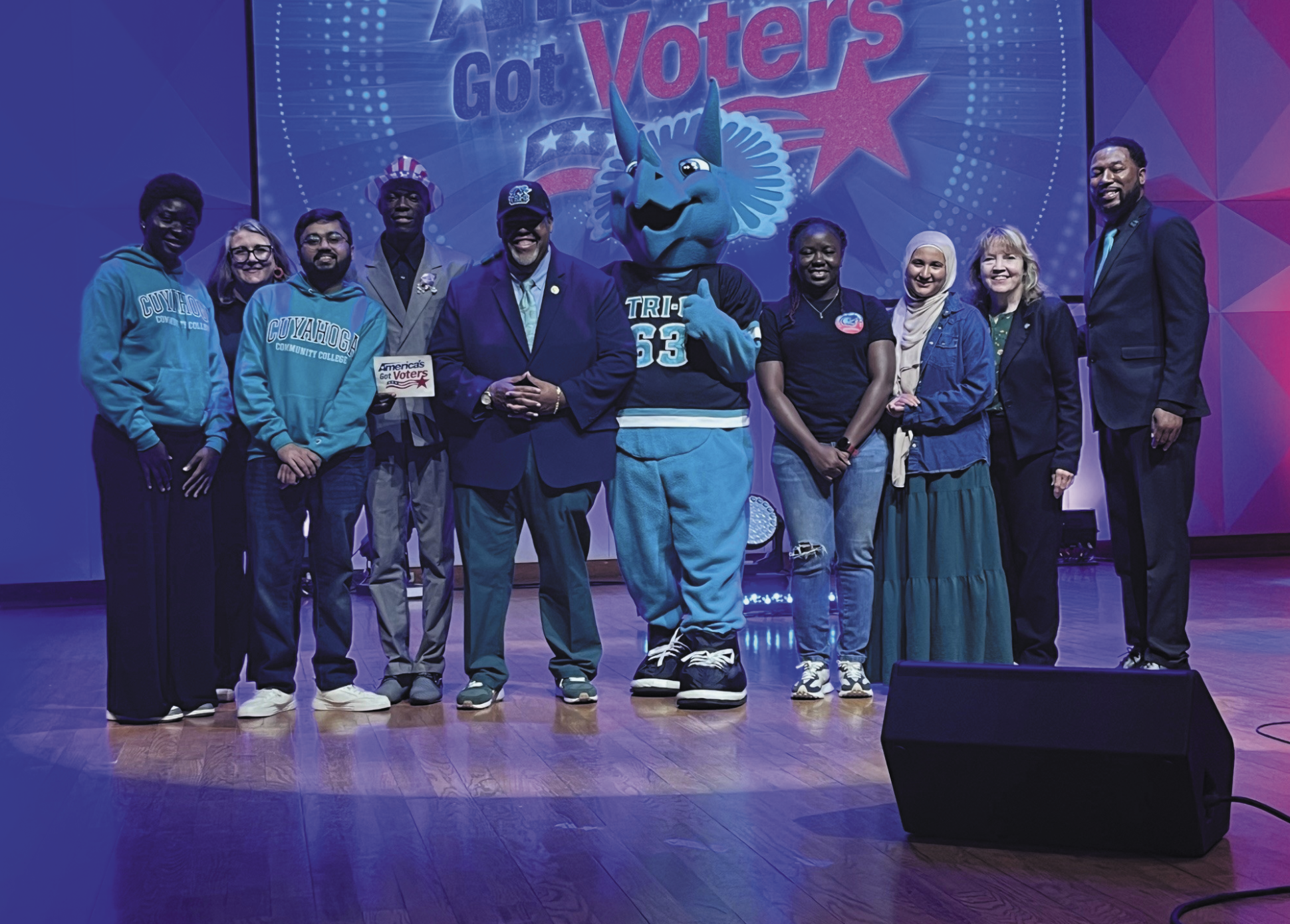
Cuyahoga Community College (Tri-C) approaches the challenge differently. As Ohio’s largest and oldest community college, with 41% of students self-identifying as first in their family to attend college, Tri-C recognizes that it is often training not just first-generation college students, but first-generation voters. The Voting Experience at Tri-C, now in its eighth year, is the legacy project of the college’s Democracy Fellows program and is built around the premise that peer-to-peer voter education is the most effective approach. Eight pop-up voting events held across four campuses bring students through the full voting experience—including representatives from the Board of Elections who recreate the experience of checking in at a polling station and casting a ballot. In 2025, the program facilitated more than 1,700 peer-to-peer voting conversations.
Beyond the in-person events, the Democracy Fellows produce a creative annual online video series—past editions have included a gospel-inspired voting anthem, a soap opera called The Votes of Our Lives, a film noir series, and a game show called America’s Got Voters.
Civil Discourse
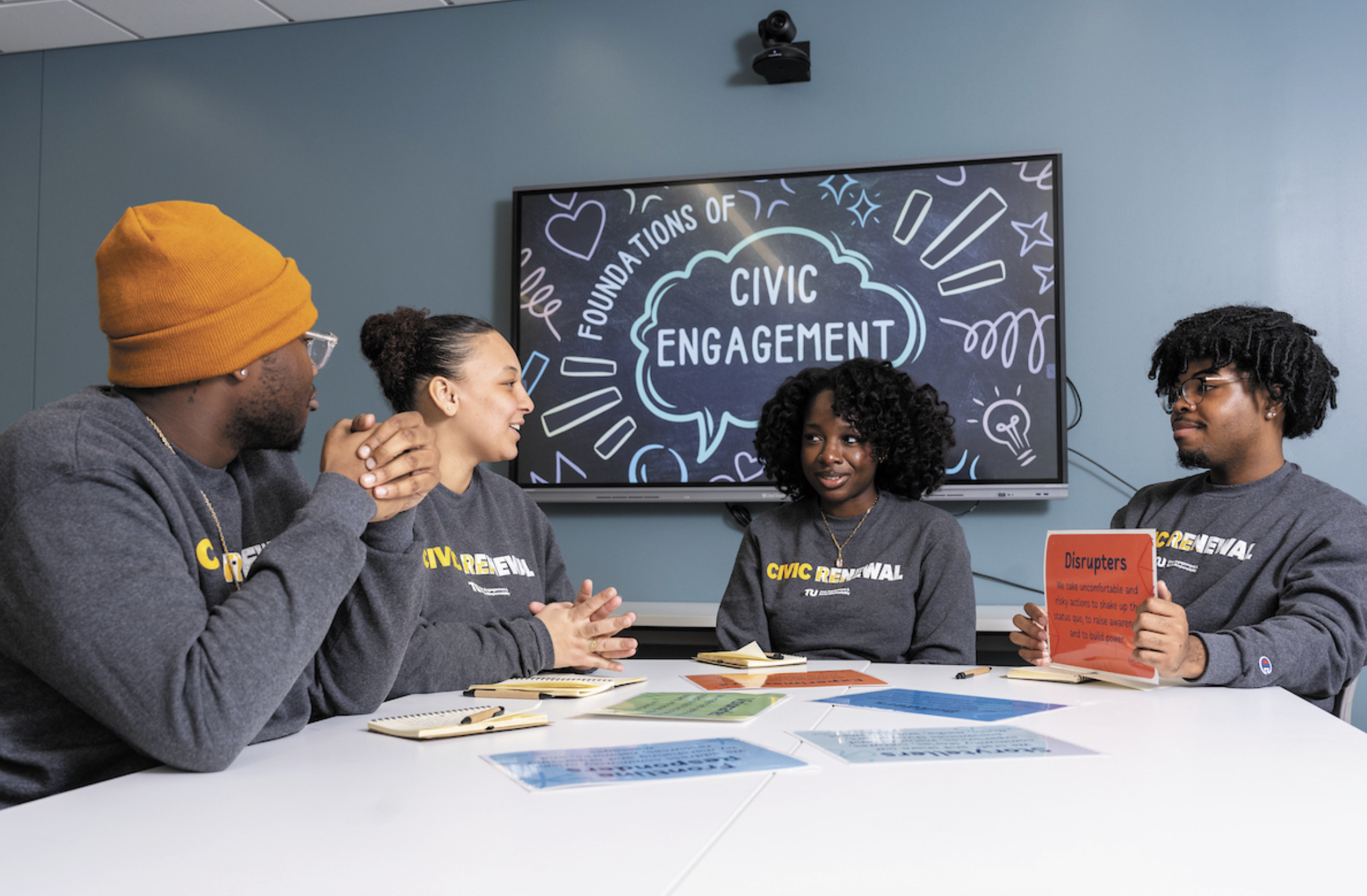
Binghamton University’s Civil Dialogue Project, housed within the Center for Civic Engagement, approaches democratic participation from a different angle—one that asks what conditions are necessary for meaningful civic life to occur at all. The program’s answer is civil discourse. Through the Constructive Dialogue Badge, incorporated into every first-year experience course, more than 1,000 students each year develop the skills to engage across differences through active listening, intellectual humility, asking curious rather than combative questions, and managing emotion in difficult conversations. Student Civil Dialogue Ambassadors facilitate dialogue events on topics from immigration to loneliness to vaccines, and a faculty fellows program supports instructors across disciplines in integrating civil discourse into their curricula. A fall 2025 pre- and post-survey found a 22-point increase in the percentage of students who strongly agreed they were comfortable having productive conversations about challenging topics—and 97% agreed the workshop was valuable. The State University of New York system has since created a new civic discourse general education requirement, set to roll out in fall 2026, with Binghamton’s established work positioning it as a leader in that system-wide effort.
The University of New Hampshire shares a similar philosophy through the Civil Discourse Lab (CDL) for Collaborative Leadership and the Public Good and its signature initiative, CIRCLE (Conversations at the Intersection of Research and Community Listening Exchange). Launched in 2024, CIRCLE connects New Hampshire citizens directly with university research that affects their lives through structured public deliberative forums, each organized around the work of a CDL Engaged Research Fellow.
Healing Communities: Health Access, Clinical Training, and Hands-On Care
Among the most urgent expressions of institutional civic and community responsibility is the commitment to bring health care to those who need it most. A remarkable cluster of programs honored this year demonstrates how health sciences colleges—from pharmacy to physical therapy to veterinary medicine—are deploying their clinical expertise and student talent to close gaps in access, reduce health disparities, and train future practitioners in community-centered care.
Adler University in Chicago has embedded this philosophy into the very architecture of its clinical training model. Adler Community Health Services (ACHS), the university’s clinical training center, delivers trauma-informed behavioral health services—spanning mental health and substance use prevention and intervention—in underserved, high-need communities across Chicago and Vancouver, B.C.
In Albany, New York, Albany College of Pharmacy and Health Sciences (ACPHS) operates The Collaboratory, a community health resource center partnering with Trinity Alliance for the Capital Region. Serving low-income adults in Albany’s South End, West Hill, Arbor Hill, and North Albany neighborhoods—communities with up to three times the poverty rates and disproportionately high rates of hypertension and type 2 diabetes compared to Albany County overall—the Collaboratory delivers an extraordinary breadth of services. These include a hypertension management program and CardioKidneyMetabolic syndrome screenings conducted at community events. The Collaboratory’s newest initiative, the Food Farmacy, pairs 50 food-insecure families experiencing chronic disease with five-day weekly meal packages and pre- and post-biometric monitoring for six months. More than 1,200 community members were served through the Collaboratory in the past year alone.
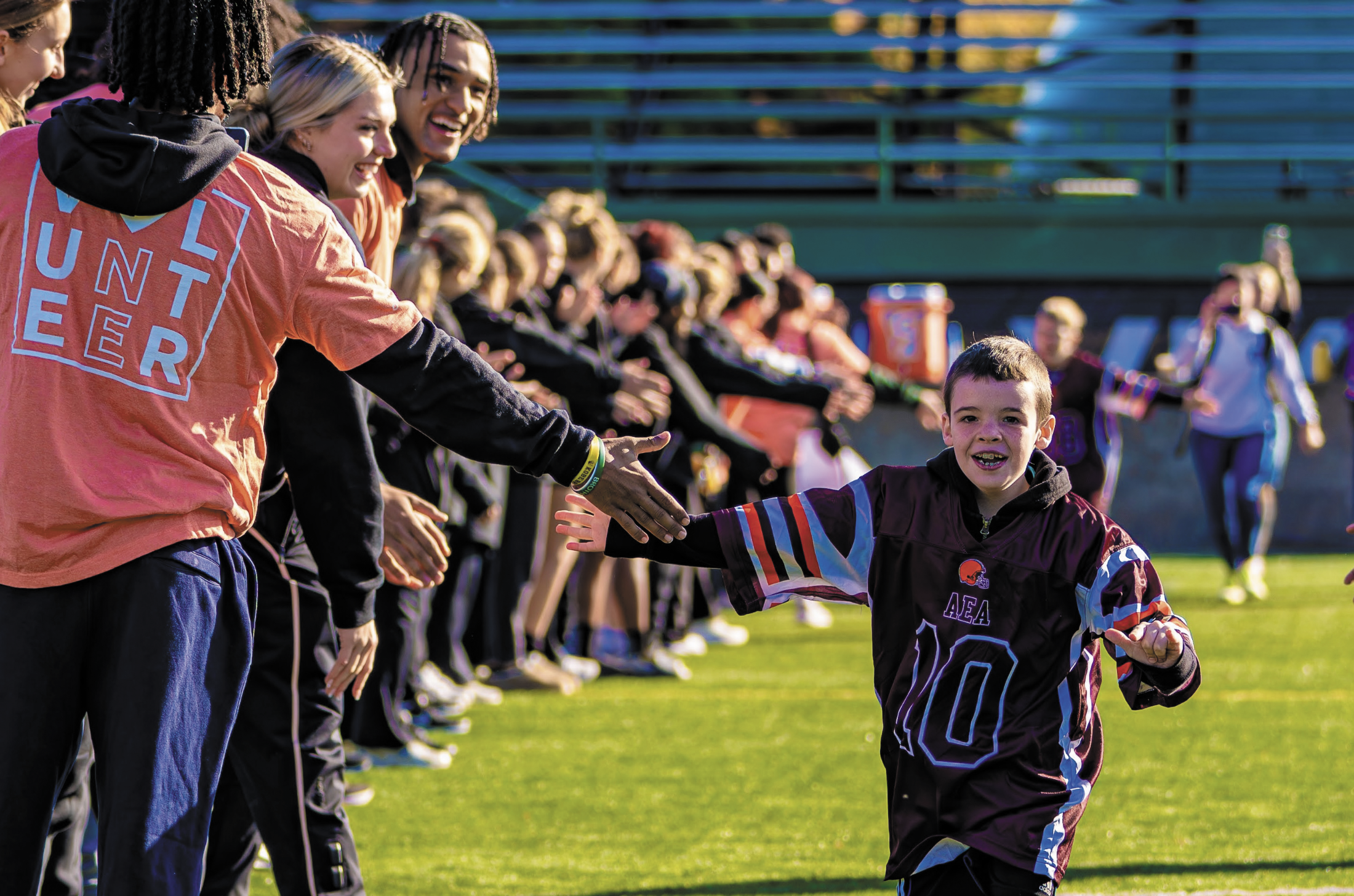
Cleveland State University’s (CSU) College of Health brings multiple distinct programs to its surrounding community. The CSU Speech and Hearing Clinic—the only provider in Northeast Ohio offering the SPEAK OUT! program for people with Parkinson’s Disease—delivered 1,601 therapy sessions and 1,772 off-site screenings in schools, community organizations, and health fairs during 2024–25, serving clients across articulation, cognitive-communication, language, and social communication needs. Through an ongoing partnership with Special Olympics, College of Health students deliver health screenings, promote physical activity in inclusive and sensory-friendly settings, and attend regional and statewide events, from local health fairs to the Special Olympics games in Columbus.
At Murphy Deming College of Health Sciences at Mary Baldwin University, the Community Practicum series gives graduate-level physical therapy and occupational therapy students a hands-on civic engagement experience that is as much about community impact as professional development. Working directly with local clinics, schools, and nonprofits, student teams have designed adaptive equipment solutions for farmers and veteran farmers facing functional challenges; provided health education and ergonomic modifications for immigrant families to reduce injury risk and support return to work; led fundraising efforts for universal design home modifications enabling community members to age in place; and cultivated an on-campus garden that distributes fresh produce to peers and promotes food security.
University of South Florida (USF) College of Nursing took a different approach to community health access—they built a clinic on wheels. The Mo-Bull Nurse Medical Clinic, launched through a four-year Health Resources and Services Administration grant, is a mobile health unit equipped with two exam rooms and vaccine storage that brings screenings, vaccinations, and health education directly to underserved communities in Pinellas and Hillsborough counties. Partnering with the Salvation Army, Catholic Charities, Metropolitan Ministries, and the Gulf Coast Jewish Community Center, the clinic serves as both a community health resource and a clinical training site for undergraduate and graduate nursing students.
The civic mission of the University of Florida (UF) College of Veterinary Medicine extends across species, borders, and disaster zones. Pathways to Practice: A Model of Veterinary Civic Engagement encompasses a youth education pipeline that reaches more than 200 young people annually—from elementary through undergraduate levels—with hands-on veterinary and biomedical career programming; the Veterinary Community Outreach Program, which provides preventive care and spay/neuter services for pet owners who cannot afford general veterinary care; and international service-learning clinics in Honduras, where veterinary teams treated more than 300 animals. It also includes the UF Veterinary Emergency Treatment Services, a volunteer disaster response unit staffed by faculty, students, and veterinarians that provided critical animal rescue and first responder training during both Hurricane Helene and Hurricane Milton. Campus-wide philanthropy efforts—including a food drive that provided 6,625 meals and a holiday toy drive supporting 25 children—complete a portrait of an institution that understands civic engagement as genuinely all-encompassing.
Classrooms Without Walls: Service-Learning, Community Research, and the Engaged University
Some of the most enduring community service happens through sustained, semester-long partnerships between universities and the communities they call home. The following programs share a conviction that students learn best by doing, and that communities benefit tremendously when academic resources are put directly in their hands.
Rutgers University—New Brunswick’s Advancing Community Development (ACD) program, funded by a gift from Johnson & Johnson, places 16 students each semester with nonprofit community partners in the city of New Brunswick to work on projects addressing health, housing security, tenant rights, food access, and more. Students also receive mentorship from Johnson & Johnson professionals and present their work at end-of-semester events attended by community partners and corporate representatives. A presentation on tenant rights developed by ACD students in partnership with Rutgers Law School and county housing experts has since been adopted by other Rutgers campuses and cities across New Jersey. A project addressing the barriers that criminal records pose to young adults seeking education or employment has been integrated into Rutgers Law School’s statewide Pro Bono Expungement program.
At Michigan Technological University, the College of Business’s EmpowerUP Students program began with two undergraduate students’ curiosity about economic mobility in Michigan’s western Upper Peninsula. Their initial research project grew into a Team Dynamics & Decision-Making course. Each semester, new teams produce financial literacy tools, food security access guides, K–12 enrichment programming, revitalized entrepreneurship networks, and educational media. An “Insurance Basics” microsite, developed with Copper Shores Community Health Foundation, translated complex financial topics into accessible, seventh-grade-level language for people seeking financial stability. A food access project streamlined guides for the university’s food pantry, reducing stigma and improving outreach. The program has attracted investment from the KEEN Foundation’s Engineering Unleashed Program, which recognized EmpowerUP as a model for integrating civic engagement, entrepreneurial mindset, and interdisciplinary collaboration.
Conceived in 2016, the University of Akron’s [Un]class program is an experimental, transdisciplinary course model in which students, faculty, administrators, and community partners co-design the class, jointly determine topics of study, and collaboratively generate solutions to local problems—with no predetermined syllabus or fixed outcome. More than 75 [Un]classes have been offered, with more than 800 students and nearly 80 unique instructors of record, including community partners, graduate students, and professional staff. Topics have ranged from uncovering the stories of neighborhoods displaced by Akron’s inner-belt project, to teaching media literacy at the LeBron James Family Foundation’s I Promise School, to evaluating the City of Akron’s Violence Intervention and Prevention Plan, to connecting college students to local and national park systems. Assessment data is strong: 96% of students reported growth in working with people different from themselves, 94% in creative thinking, and 92% in problem-solving. Student persistence the semester after taking an [Un]class averages 89%. One [Un]class led directly to a local foundation establishing an official LGBTQ archive.
University of Massachusetts (UMass) Amherst’s Office of Civic Engagement and Service-Learning (CESL) operates as a hub connecting academic study with social change across 136 undergraduate service-learning courses in 41 departments. CESL’s programs range from the IMPACT residential program for first-year students—which integrates community service with contemplative practice and social justice education—to the Community Scholars Program, a two-year engagement experience in which students complete more than 240 hours of community work over four semesters on projects addressing racial equity, mutual aid, reproductive justice, and more. The Boltwood Project, UMass’s oldest continuously running community engagement program—active for more than 50 years—supports adults and children with intellectual or physical disabilities while building students’ understanding of ableism.
University of Tennessee, Knoxville’s Community-University Research Collaboration Initiative (CURCI) was established in 2022 to address a structural gap: communities wanted meaningful university partnerships, and faculty wanted engagement work that counted toward their professional evaluation—but no infrastructure existed to make those connections. CURCI creates that infrastructure by funding community-initiated research proposals, matching organizations with faculty researchers, establishing accountability frameworks, and advocating for recognizing community engagement in faculty promotion. Projects have addressed LGBTQIA+ mental health, renters’ rights, food access, composting, violence prevention, immigrant storytelling, and voter turnout. CURCI’s influence is also reshaping UT’s institutional culture: seven courses across four academic units are now linked to CURCI partnerships, and community engagement standards are increasingly being incorporated into faculty and staff evaluation.
Mentorship in Action: Relationships Across Generations and Communities
Behind every great community service program is a relationship. The programs highlighted here recognize that showing up consistently, time after time, is itself a form of service—and that the bonds formed in the process can be as transformative as any single act of help.
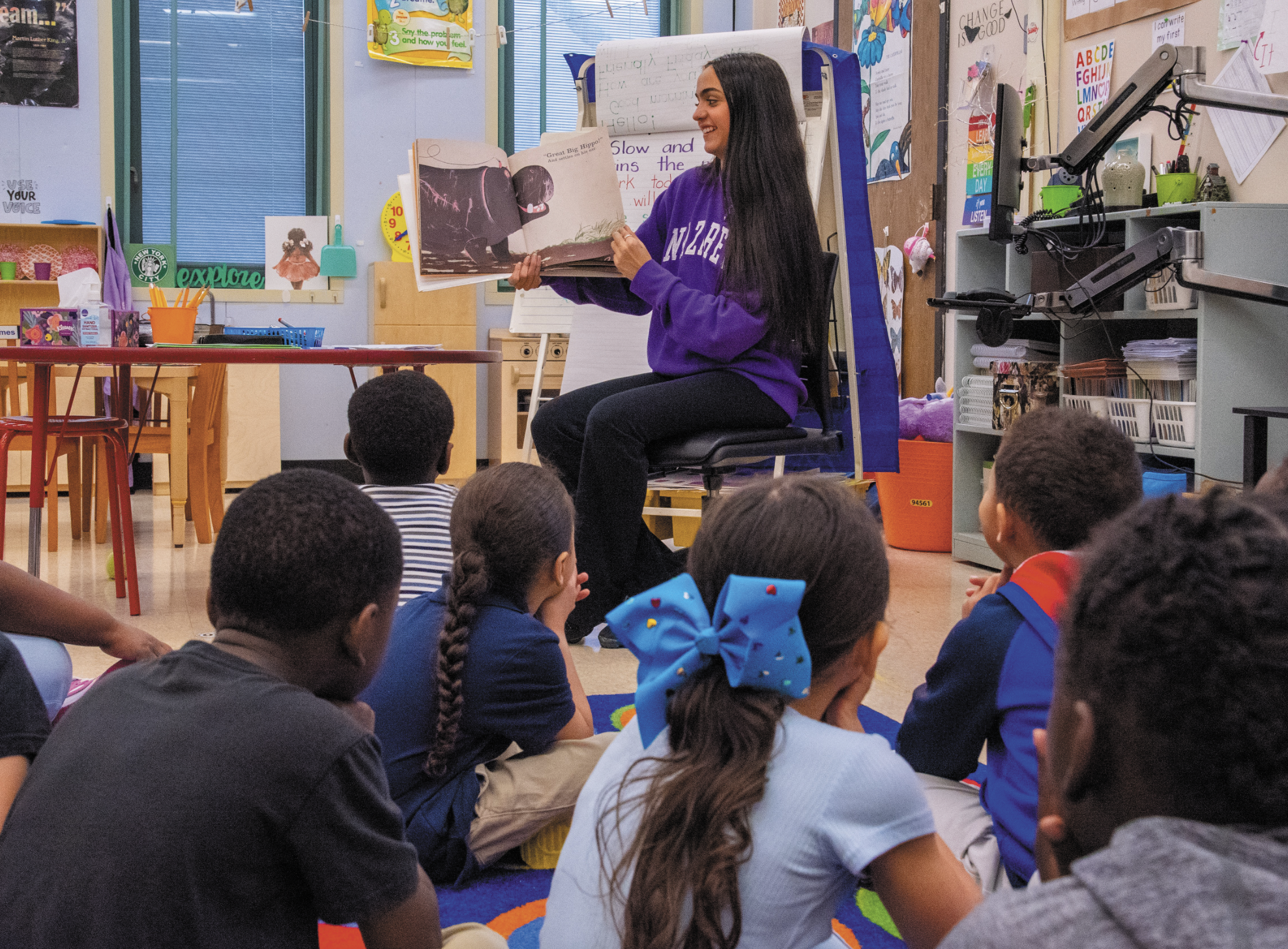
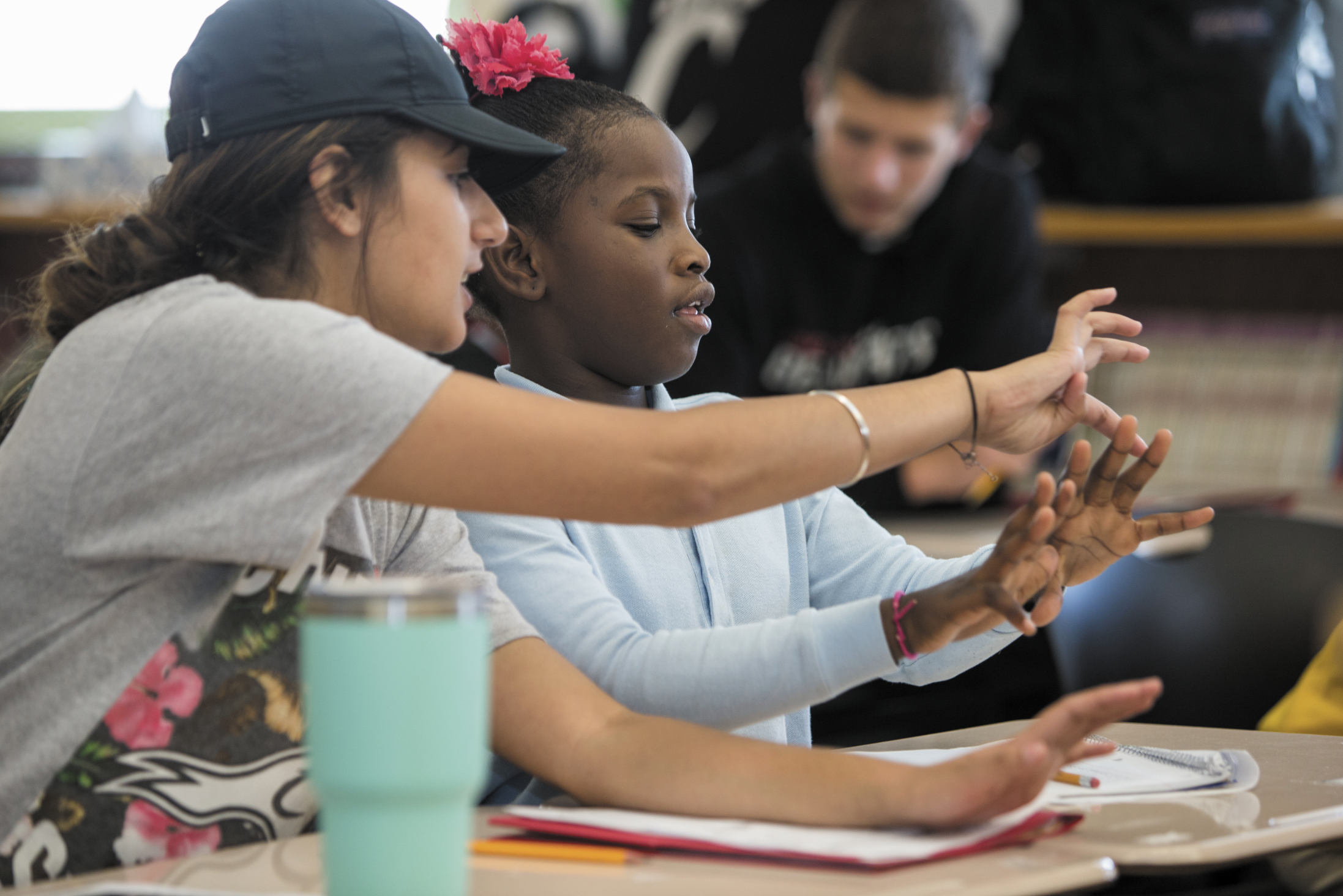
University of Cincinnati’s (UC) Bearcat Buddies Tutoring Program has built one of the most rigorously structured mentorship programs in higher education. Embedding trained UC students as tutors in K–12 classrooms and after-school settings throughout Cincinnati Public Schools, the program is co-designed with partner schools to complement existing instruction—not supplement it at the margins. The result is the kind of sustained, trust-based relationship that educators consistently identify as essential to student motivation and growth. In the 2024–25 academic year, 1,238 tutors completed 13,818 tutoring hours across 1,631 tutoring sessions—representing year-over-year growth of 79% in hours and 82% in sessions.
Cleveland State University’s Student-Athlete Advisory Council (SAAC) demonstrates that peer engagement can take many forms—and that student-athletes, often a visible but under-leveraged civic force on campus, can be powerful agents of community change. In the current academic year, SAAC members have completed more than 230 hours of local volunteer programming, including bone marrow donor registration drives, a basketball mini-camp for adults with developmental disabilities, pen-pal relationships with students from a Cleveland-area elementary school, and an all-day Special Olympics field day hosting hundreds of athletes on campus. SAAC has built an ongoing presence in advocacy work. Perhaps most distinctive is the Big Vike–Little Vike peer mentoring initiative, launched this year to support incoming international student-athletes: each new international student is paired with both a SAAC member and a returning international student-athlete, creating a layered support structure for those navigating a new campus, culture, and country.
Texas A&M University’s BUILD organization occupies a category of its own: a student-led nonprofit that designs and constructs fully functioning medical clinics from shipping containers and deploys them to underserved communities around the world. Since its founding in 2013, BUILD has constructed 54 Texas Aggie Medical Clinics, providing access to health care for more than 200,000 individuals in 22 countries across five continents. Students run every aspect of the organization—from strategic planning and fabrication to fundraising and global logistics—in executive leadership roles that mirror the structure of a professional nonprofit. More than 16,000 Aggie students have developed professional skills through BUILD, graduating not only with engineering and project management experience, but with the practical knowledge of how to run an effective civic organization.
Art and Legal Education: Civic Engagement, Culture, and Justice
Not all civic engagement takes place in a clinic or a classroom. Some of the most enduring community transformations are catalyzed by local art that names what a neighborhood has lost, or legal assistance that restores what injustice has taken—and it is often universities, with their unique combination of creative talent, research expertise, and institutional power, that are best positioned to make that work possible.
School of the Art Institute of Chicago’s (SAIC) Tower Artist-in-Residence (Tower AIR) program is Chicago’s only residency for West Side artists and has, over 10 years, become one of the most sustained and community-responsive programs of its kind in higher education. Housed in a historic community where the predominantly Black population has faced decades of disinvestment, the program welcomes four resident artists each year and provides them with space, materials, financial support, community contacts, and administrative infrastructure to realize projects defined by neighborhood needs. Since 2016, 40 artists have participated, producing murals and lighting installations that brought beauty and safety to the neighborhood, community gardens that grew food and created gathering spaces, and healing circles for mothers who have lost children to violence.
Drexel University’s Office of University and Community Partnerships (UCP) represents a comprehensive institutional model of civic engagement—one that coordinates academic integration, student and employee volunteerism, and anchored institutional investment into a single, coherent strategy. The office comprises three centers—the Dornsife Center for Neighborhood Partnerships, the Lindy Center for Civic Engagement, and the ExCITe Center—along with core initiatives including the Writers Room literary arts program, a K–12 engagement strategy, and the Beachell Family Learning Center, which provides digital literacy, entrepreneurship, financial wellness, and workforce development programming in West Philadelphia. One of only 16 private U.S. universities to hold both Carnegie R1 and Community Engagement classifications, Drexel has raised more than $130 million over the past 13 years to support community engagement—including $40 million to build a new K–8 campus housing two public schools adjacent to its campus.
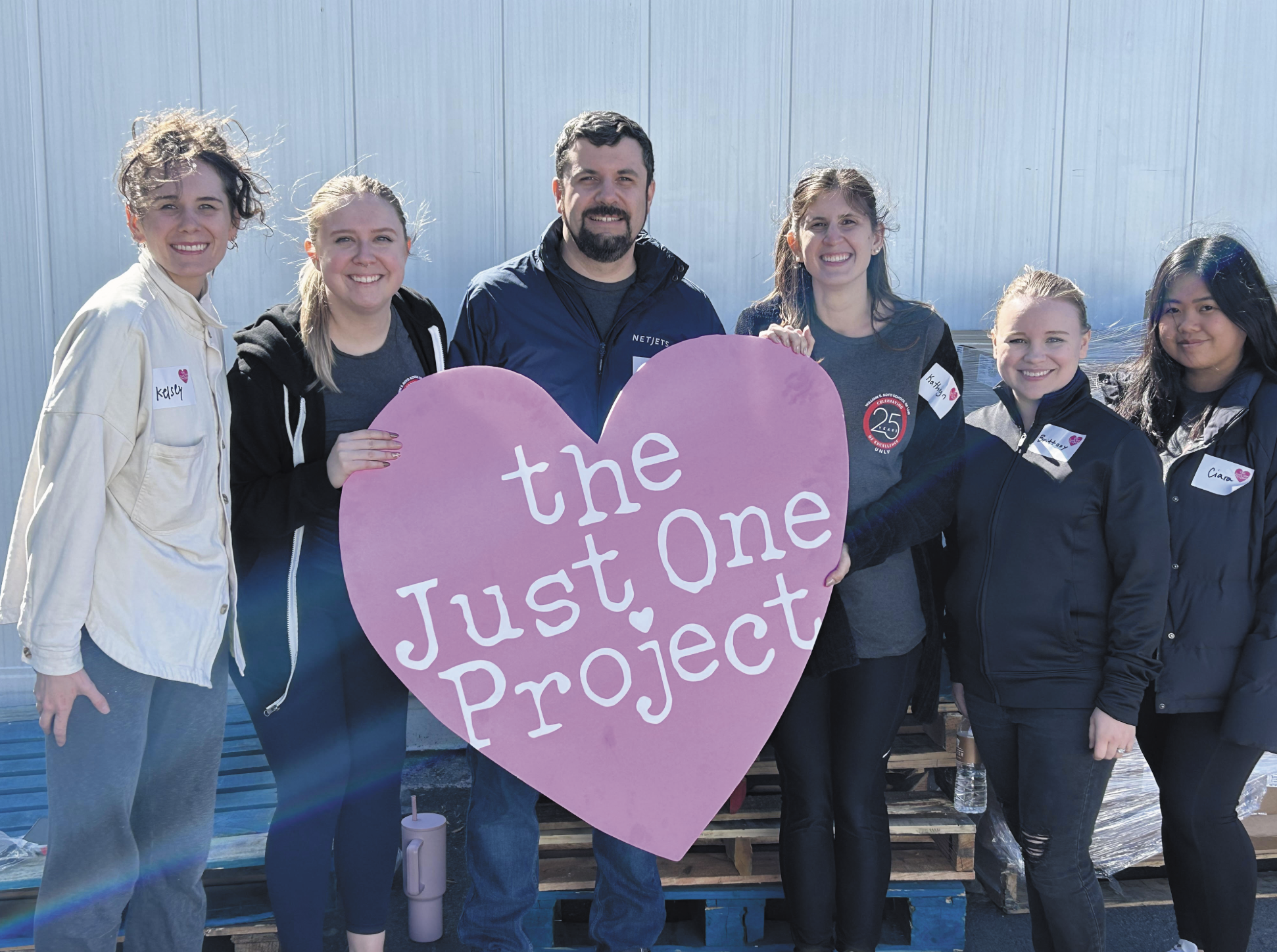
At the William S. Boyd School of Law at the University of Nevada, Las Vegas (UNLV), civic engagement is woven into the requirements of the school’s education itself. The Christine Smith Community Service Program requires all law students to complete a minimum of 20 hours of legal community service before graduation, in partnership with legal aid organizations and nonprofits across Nevada. Through collaborations with the Legal Aid Center of Southern Nevada and Nevada Legal Services, students provide pro bono education on consumer law, family law, child welfare, and tax law, and assist community members in completing essential documents such as guardian nominations and powers of attorney. Over the past year, students and faculty contributed more than 2,500 hours of service to more than 350 community members through more than 15 partner organizations.
University of North Texas’s (UNT) Virtual Private Music Lesson Program demonstrates how civic engagement can cross disciplinary boundaries in unexpected ways. Now in its fourth year, the program connects approximately 800 Dallas Independent School District (ISD) students on 43 targeted campuses with 80 UNT College of Music students for free, one-on-one online music lessons—helping middle and high schoolers improve technique, music reading, and overall performance in ways that level the playing field with better-resourced suburban schools.