Mental Health as a Campus Strategy | Rethinking the Model | Peer-Driven, Community-Centered | Well-Being in Specialized Settings | The Infrastructure of Care
The 2026 Excellence in Mental Health and Well-Being Award winners are transforming how colleges care for their communities.
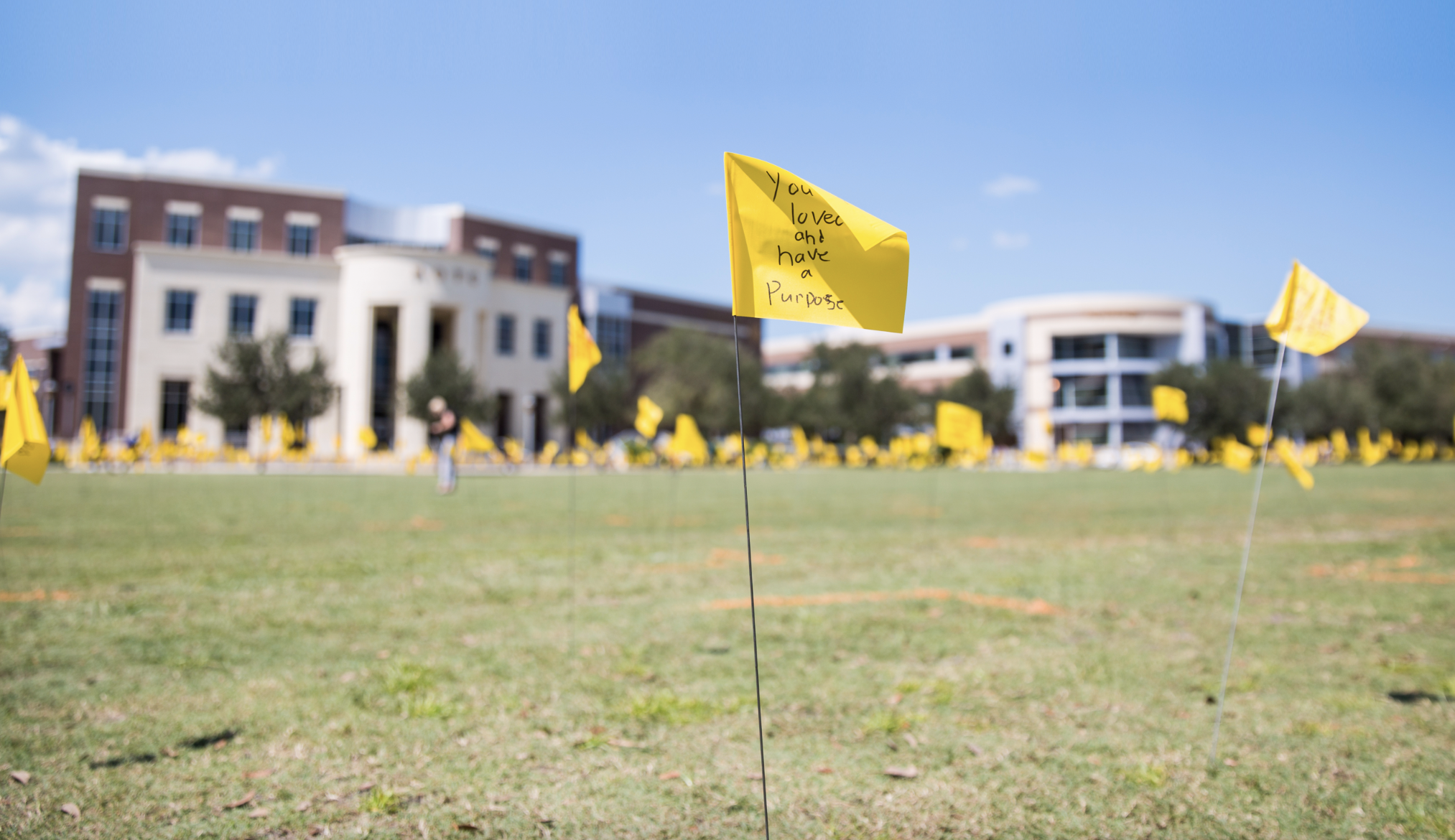
The numbers have been clear for years. Anxiety, depression, and burnout are not peripheral concerns on today’s college campuses—they are central ones, shaping whether students persist, faculty thrive, and institutions can deliver on their fundamental promises. The question facing higher education is no longer whether mental health matters but what an institution is actually doing about it.
We are proud to present the recipients of the 2026 Insight Into Academia Excellence in Mental Health and Well-Being Award, honoring colleges and universities where mental health is not a checkbox or a crisis response, but a genuine institutional commitment—embedded in culture, reflected in policy, and visible in the daily life of students, faculty, and staff.
This year’s honorees represent an extraordinary range of institution types, from Ivy League research universities and large public flagships to community colleges serving students in the nation’s most underserved communities.
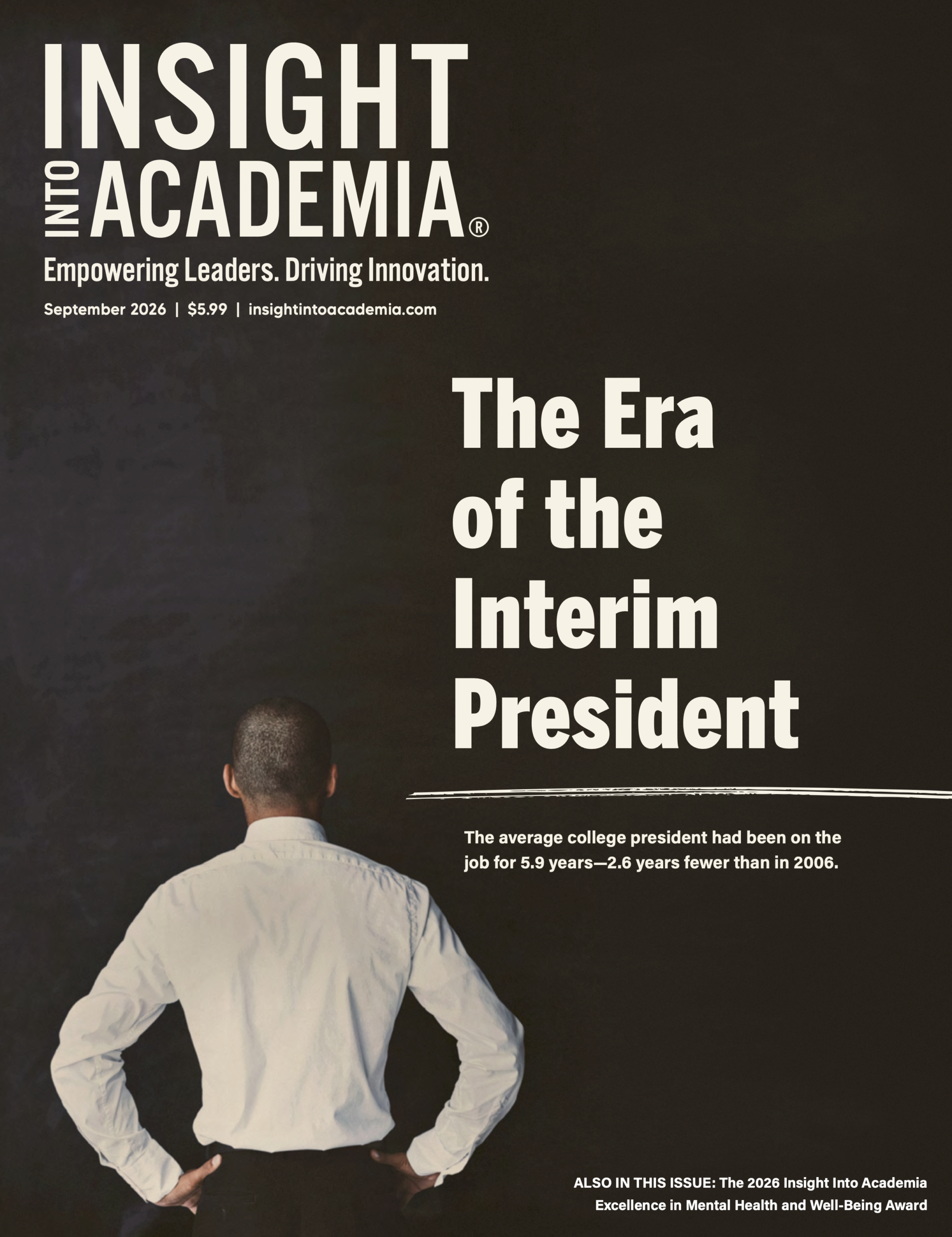
Some have redesigned their entire model of student support around prevention rather than just using crisis intervention. Others have trained peer communities to carry the work of mental health promotion into classrooms, residence halls, and athletic programs. Several have built or updated their infrastructure—strategic plans, cross-divisional frameworks, data systems—to ensure well-being work is sustained, measured, and accountable over time. And a number are meeting students in the specific contexts that shape their own lives and experiences.
“What distinguishes this year’s honorees is not the scale of their resources, but the depth of their commitment,” says Lenore Pearlstein, co-publisher of Insight Into Academia. “These institutions know that mental health and well-being are not problems to manage—they are priorities to cultivate. That distinction changes how they lead, they design their programs, and how their communities experience life on campus.”
Selected for their innovative programming, institutional commitment, and measurable impact, this year’s honorees offer models that can be adapted and replicated by institutions of every size and type. Through their stories, readers will find practical approaches, innovative frameworks, and a clear picture of what it looks like when a campus decides that caring for its people is not an add-on to the academic mission—it is the foundation of it.