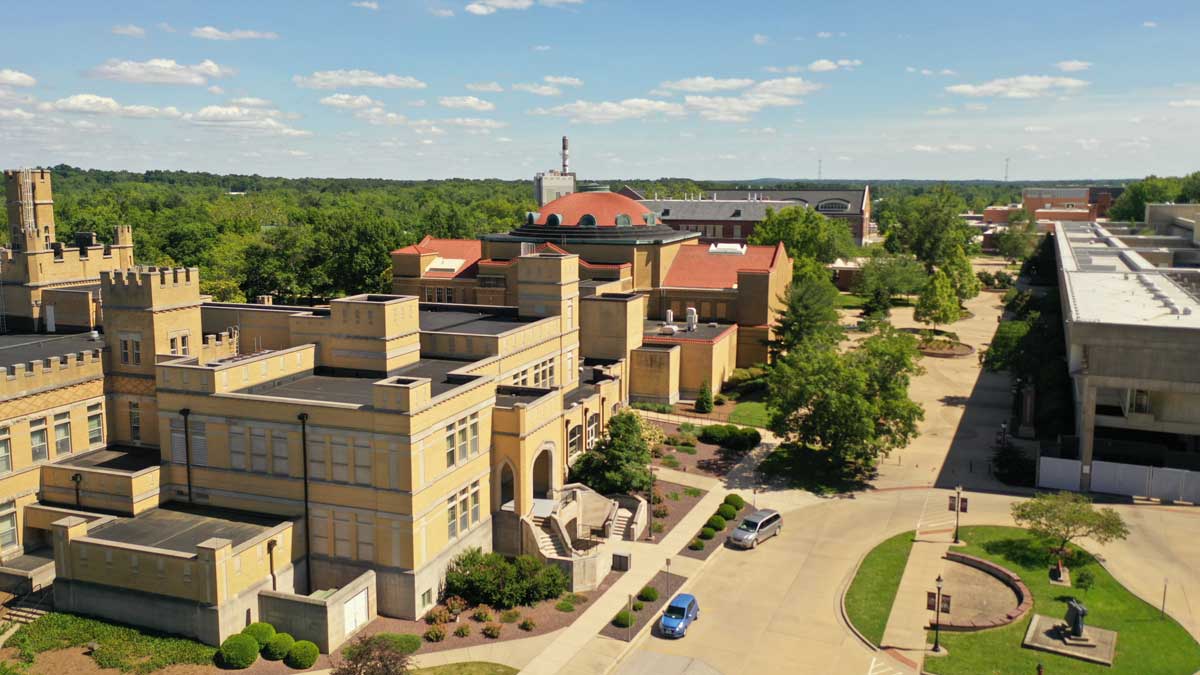
In 2022, the Southern Illinois University (SIU) System partnered with Viewfinder Campus Climate Surveys to conduct an inaugural systemwide campus climate survey for students and employees. This was an important step in listening to the lived experiences of faculty, staff, and students across our campuses. What emerged from that effort was not just data, but direction.
The employee survey findings illuminated both strengths and gaps around perceptions of fairness, belonging, and compensation. Most importantly, the results became a catalyst for meaningful institutional change.
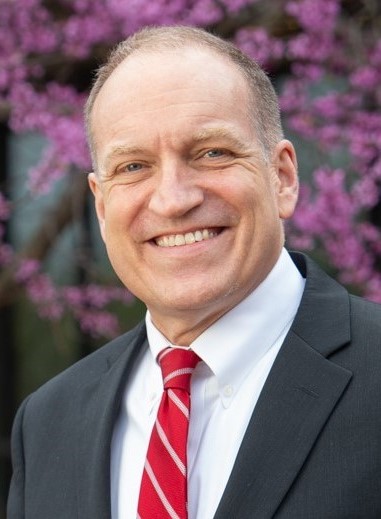
the Southern Illinois University System.
Among the most significant outcomes was uncovering salary disparities, prompting us to conduct a comprehensive salary equity study designed to ensure employees were compensated fairly, competitively, and in alignment with their roles, education, and contributions.
Viewfinder surveys’ unique ability to go beyond just identifying issues—to revealing the underlying drivers behind them—gave us a clear view of the issues surrounding employee retention. Rather than remaining a symbolic report, the climate study process drove us to take action, moving SIU from insight to implementation.

To ensure impartiality and credibility in this work, the SIU Carbondale (SIUC) campus partnered with CBIZ, a national compensation consulting firm known for helping higher education institutions design market-driven and equitable pay structures. The CBIZ methodology is grounded in a commitment to external competitiveness and internal equity. Their process allowed SIUC to align positions with relevant market benchmarks to understand how their salaries compare to peer organizations and make adjustments as necessary.

The central focus of the salary equalization study was aimed at addressing salary compression, which is a common challenge in higher education. For example, in 2026 CUPA-HR finds long-term stagnation in faculty pay and structural gaps across employee groups. Salary compression occurs when salaries are compressed due to market shifts. Over time, tenured faculty and long-term staff members’ salaries may be equivalent to those of new hires. Salaries can also be compressed when team members are not fully compensated for their performance and/or scope of their work.
CBIZ was tasked with facilitating a detailed analysis of both market data and internal role relationships to help identify and correct salary compression and disparities.
The next step was to implement a standardized job questionnaire that empowered employees to provide detailed input on their actual job duties, scope of work, and impact. This process laid the foundation for clearer salary bands, more transparent promotion pathways, and a compensation system that reflected both individual contributions and evolving market conditions.
At the heart of this effort was a commitment to transparency, structure, and equity. This year-long process ensured that positions were evaluated consistently and holistically, accounting not just for job titles but for the actual work being performed.
It revealed that some employees were working in similar capacities but with lesser job titles and salaries. The questionnaire was designed to ensure integrity with position titles, work responsibilities, and output.
This process also allowed SIUC to develop clearer promotion pathways, provide employees with a more transparent understanding of how to grow within the university system, and have the opportunity to advance within their institution.
Too often, ambiguity around advancement and salary caps can lead to stagnation or inequity. By defining these pathways, SIU created a system where effort, impact, and qualifications are now more clearly connected to opportunity.
The implementation of a new salary structure further reinforced this commitment. SIUC team members were given access to the CBIZ market analysis data, including minimum entry-level salaries and maximum salaries for each position, along with educational requirements and job duties.
This information reduced ambiguity and positioned the university to be more competitive for recruitment and retention efforts. The results of this work have been both measurable and meaningful.
Although gender and race were not considered in the analysis, it is meaningful that when the disaggregated data was examined, there were notable and significant salary increases across both. These figures reflect a deliberate effort to address disparities while ensuring that adjustments reached employees across demographic groups, reinforcing the institution’s commitment to equity in practice, not just in principle.
The SIU System defines equity as “act right, make right, and do right.” The SIUC Salary Equalization study is a prime example of “make right and do right” by employees who were not being paid adequately for their contributions.
The study was a result of feedback from the 2022 Viewfinder Campus Climate Employee Survey. A common theme in the data collected was inequitable salaries and lack of appreciation for employees’ efforts. We wanted SIU team members across the system to know their voice matters. Changes were subsequently made to salary structures and job position descriptions to promote fair hiring practices and pay structures.
A significant percentage of both women and men received salary increases reflecting a broad effort to address inequities across the system. These adjustments were not symbolic; they were felt and they were substantive.
For example, in one particularly powerful example, a female employee received a 41% salary increase. The impact of that adjustment was life-changing because it provided her with the financial stability to quit her part-time second job, providing more agency and choices about her career and future that were previously out of reach.
Lived experiences like this underscore what equity work is truly about. It is not just about reviewing and correcting numbers on a spreadsheet, but also restoring dignity, recognizing contributions, and ensuring that compensation reflects both the value of the work and the qualifications of the individual performing it.
The compensation study sent a clear message to the SIUC community. Equity is not a one-time exercise. Equity evolves as markets shift and roles change. For this reason, the SIU System administered another systemwide Viewfinder Campus Climate Survey study in spring 2026 to strengthen and sustain equity and justice for staff, faculty, and students.
Before this process, many employees had not received a cost-of-living increase for several years. The opportunity cost of inaction exceeded $3,000,000, which made it clear that intervention was necessary to retain a high-quality workforce.
The SIU System’s journey demonstrates what is possible when institutions ask the right questions, listen with intention, and act with resolve. The 2022 Viewfinder employee survey did more than capture sentiment; it sparked a transformative process that aligned values with action. By investing in equitable compensation, SIU is not only addressing past disparities but also building a more just and sustainable future for its campus community.
As higher education continues to navigate challenges related to workforce retention, morale, and trust, efforts like these offer an opportunity and path forward to listen well and respond to employees to ensure fairness is embedded in the institution. We must value and reward team members who are the backbone of our university.
Daniel Mahony, PhD, is the president of the Southern Illinois University System.
Sheila Caldwell, EdD, is the inaugural vice president for Anti-racism, Diversity, Equity and Inclusion and chief diversity officer for the Southern Illinois University System. She is also a member of the Insight Into Academia Editorial Board.