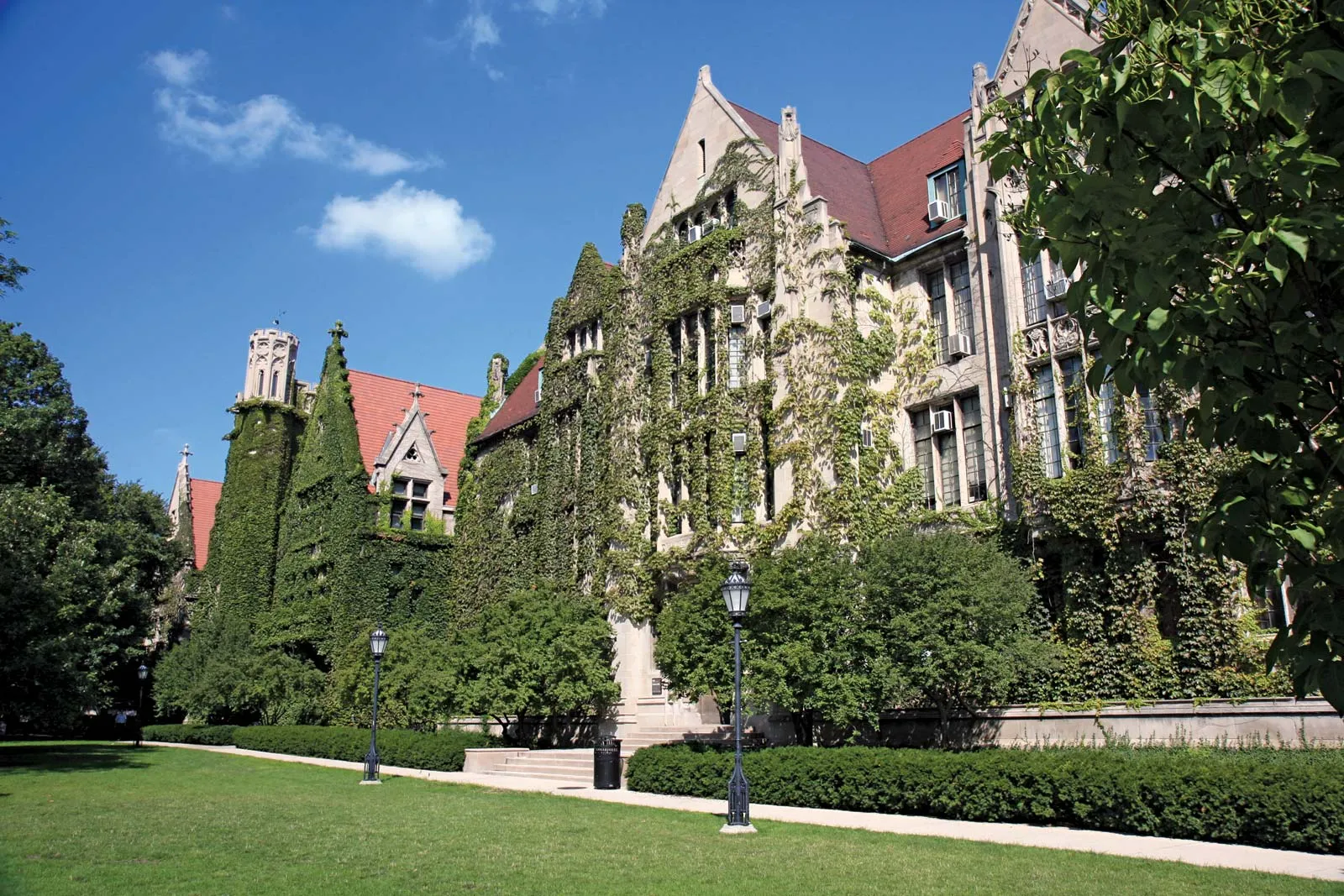
The University of Chicago (UChicago) is moving ahead with sweeping changes to address a steep budget deficit, including pausing admissions to nearly 20 humanities doctoral programs and eliminating hundreds of staff positions — a decision that has ignited concern among faculty and alumni about the future of the liberal arts on campus.
President Paul Alivisatos announced last month that the school will cut about 400 jobs and suspend new enrollment in programs such as social work, art history, English, and several language studies. The measures are part of a broader effort to save $100 million after the institution reported a $288 million shortfall last year.
University leaders framed the move as a temporary adjustment meant to safeguard doctoral education in a shifting academic landscape. “The PhD admissions pause is a temporary measure to help evaluate and strengthen doctoral programs in the face of rapidly changing job markets and the rising cost of doctoral education,” UChicago spokesperson Gerald McSwiggan told Axios. He added that the goal is to “increase the chances our PhD students leave UChicago with good academic jobs and beyond.”
Still, critics say the changes risk hollowing out the very programs that made the university an intellectual destination. Some alumni fear the decision signals a deeper embrace of artificial intelligence at the expense of humanistic study. In an op-ed this month, UChicago graduate and Lake Forest College president Michael Sosulski wrote, “While artificial intelligence dramatically amplifies our access to information and our ability to process it rapidly, it cannot replicate the wisdom, creativity and ethical reasoning nurtured by humanistic study.”

Faculty have also pushed back, calling for greater transparency in how the cuts were decided and warning that pausing admissions could damage the pipeline of future scholars in already vulnerable disciplines. They note that humanities programs do not carry the same financial burdens as building new science or technology labs, and argue that the humanities remain central to the university’s academic identity.
Addressing speculation that the administration intends to diminish the arts altogether, Deborah Nelson, dean of the Division of the Arts & Humanities, stressed otherwise. Writing in the Chicago Tribune, she said, “No, we’re not replacing instructors with ChatGPT (to name one strange rumor), and we’re certainly not removing the arts and humanities from the center of academic inquiry.”
The university, which ranked sixth in U.S. News and World Report’s latest list of best colleges, maintains that undergraduate enrollment is on the rise. Observers now wait to see whether the pause will remain temporary — or mark the start of a longer-term reshaping of UChicago’s reputation as a haven for rigorous scholarship.