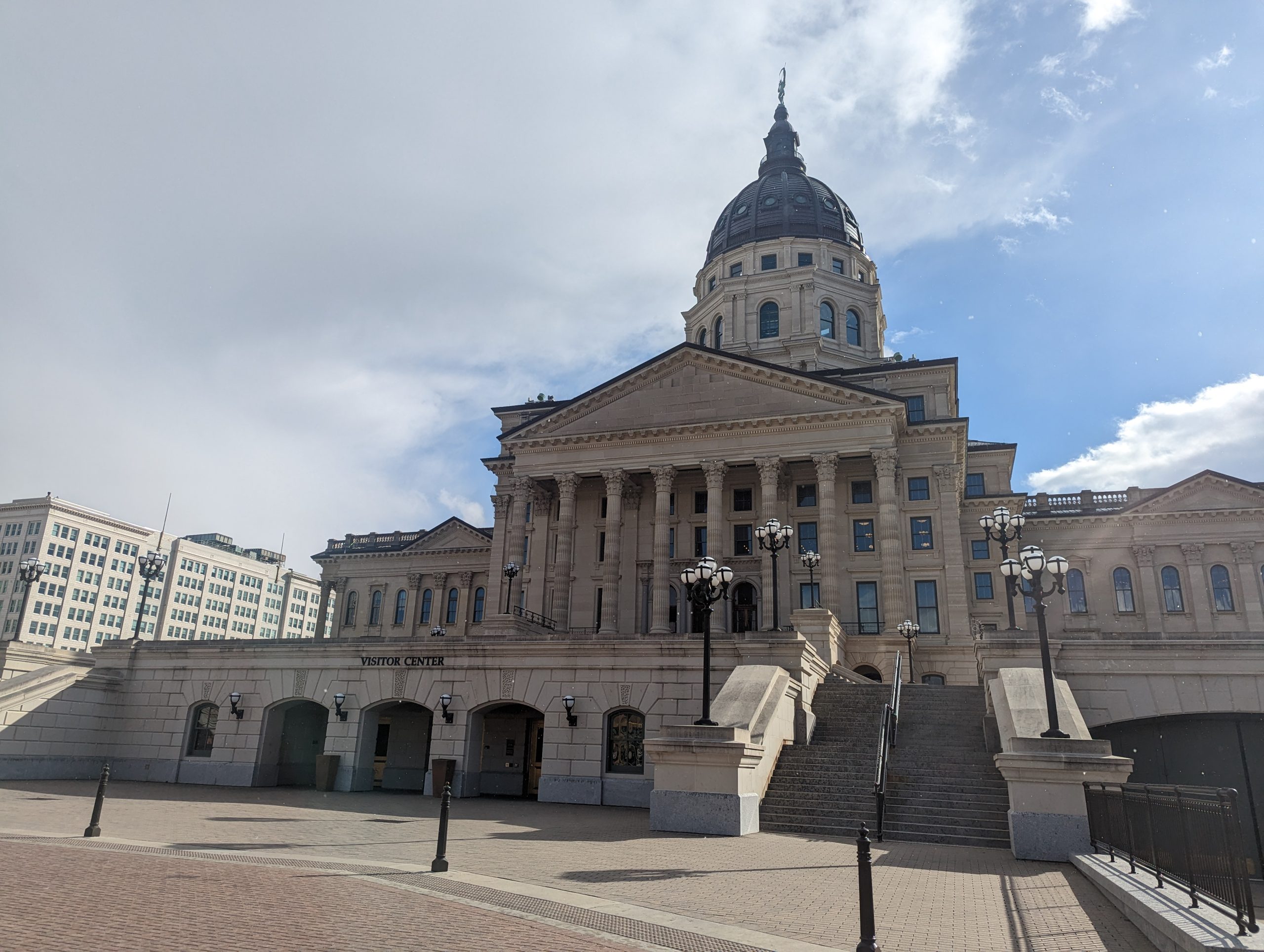
Kansas House Republicans have revived a sweeping proposal that would bar most diversity, equity and inclusion (DEI) and critical race theory (CRT) content from courses required for degrees at the state’s public universities, setting up a contentious debate over academic freedom and the role of the legislature in shaping higher education.
House Bill 2428, titled the Freedom from Indoctrination Act, would prohibit Kansas public postsecondary institutions from requiring students to enroll in classes containing DEI or CRT content if those courses are tied to earning a degree. The bill also would mandate that students complete a civics course focused on foundational American documents and require freshman orientation programs to emphasize First Amendment protections.
Republican sponsors, including Reps. Susan Humphries, Megan Steele, Kristey Williams and Bob Lewis, argue the measure is intended to curb what they characterize as ideological conformity on campus. During a House committee hearing, supporters framed the bill as a safeguard against compelled speech and political pressure.
“This bill allows for teaching controversial subjects, open inquiry and the examination of history and public policy,” said Rep. Kristey Williams, an Augusta Republican who holds degrees from the University of Kansas. “It prohibits mandatory ideological statements, required belief affirmations and any institutional pressure to conform to a particular political or social doctrine.”

Rep. Bob Lewis, a Garden City Republican, said DEI and CRT concepts had become embedded in general education courses. Referring to an English course at Kansas State University, he said, “It’s like they’re throwing the students into a washing machine to process them out. They’re supposed to come out with different ideas.”
Under the bill, DEI or CRT content would include topics such as whiteness, institutional racism, unconscious bias, gender identity, social justice and race-based reparations. It would also define as impermissible instruction suggesting that racially neutral or colorblind laws perpetuate oppression or inequity. However, the proposal specifies that instruction on slavery, Native American genocide, the Holocaust or the internment of Japanese Americans would not be barred. Programs primarily focused on racial, ethnic or gender studies could seek exemptions.
The legislation would further require, beginning in the 2027–2028 academic year, that students complete a course examining the U.S. Constitution, the Declaration of Independence and the Federalist Papers, as well as “political ideologies such as communism and totalitarianism.” Freshman orientations would be required to address freedoms of speech, press, petition, religion and assembly. Institutions choosing to include DEI or CRT material in orientation sessions would need to offer parallel sessions without such content. Lawmakers estimate implementation across the six state universities would cost at least $5 million.
Opponents, including faculty members and education advocates, warned that the bill would narrow academic inquiry and chill classroom discussion. Democratic Rep. Kirk Haskins of Topeka called the proposal “political theater” and said, “It’s an unnecessary bill. I think they’re way out over their skis.” Rep. Barbara Ballard of Lawrence added that lawmakers should “probably should stay in their own lane.”
Kerry Gooch, a Kansas Black Leadership Council board member and Kansas State University graduate, argued that restricting content tied to cultural competence and systemic inequality would undermine students’ understanding of landmark Supreme Court decisions. “It is difficult to understand how students can meaningfully study those cases, including decisions like Brown v. Board of Education of Topeka, without engaging honestly with the historical and systemic realities those cases addressed,” Gooch said. He added that the bill didn’t “promote academic rigor or freedom. It substitutes legislative restrictions for educational judgment.”
Mike Harris, vice president of the American Federation of Teachers–Kansas, said, “When the state prescribes content, dictates titles or targets disfavored topics, it replaces viewpoint-neutral protection with viewpoint-based control.” Eugene Rice, a philosophy professor at Fort Hays State University, said the measure assumed students were incapable of engaging with competing ideas. “HB 2428 treats Kansas college and university students as though they were thoroughly unable to handle opposing viewpoints, controversial theories or to make up their own minds,” Rice said.
As the bill advances, Kansas joins a broader national debate over how far lawmakers should go in directing what is taught at public universities—and whether such efforts protect free expression or constrain it.