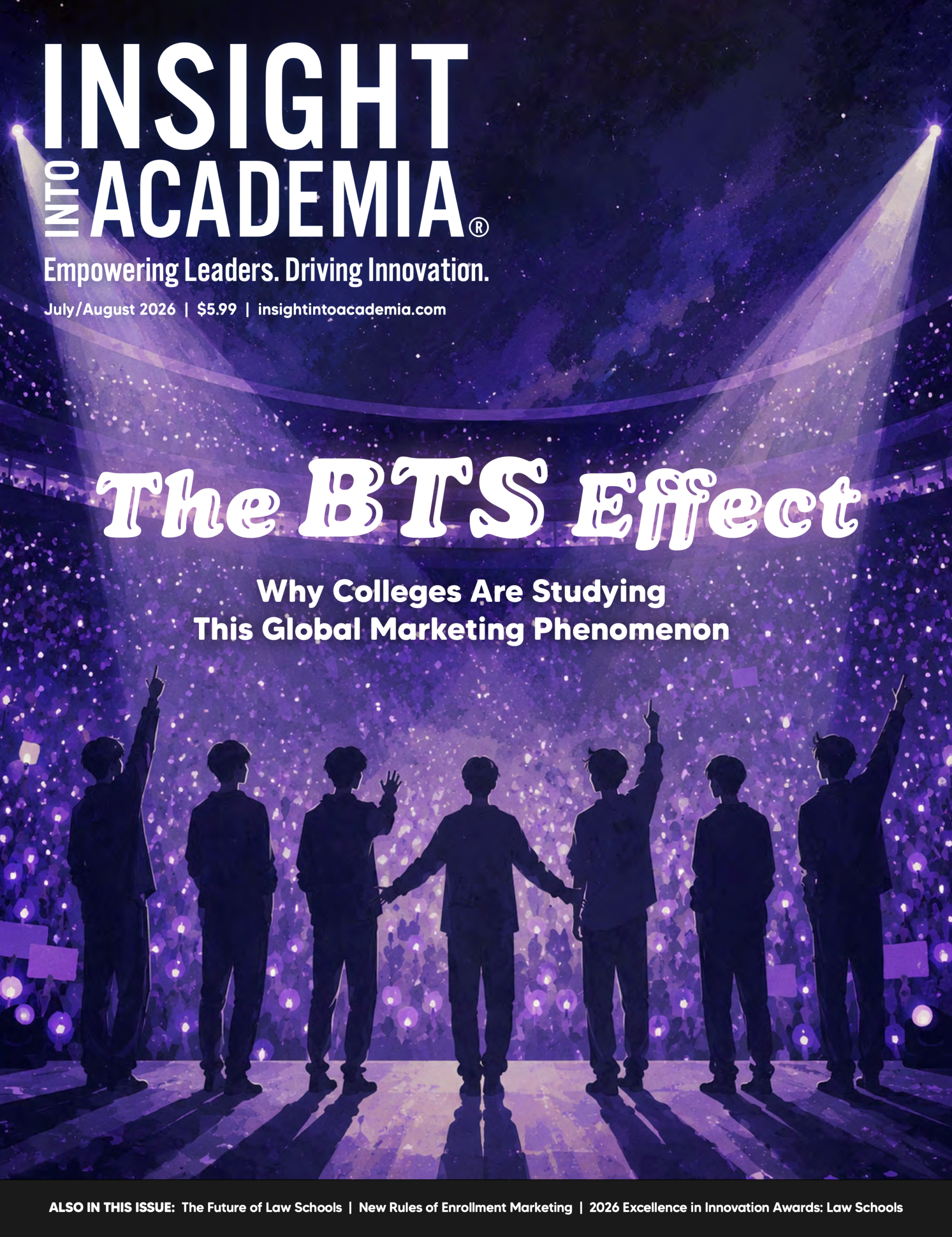
Why Colleges Are Studying a South Korean Music Group to Better Understand Global Economics, Sociology, Business and Psychology
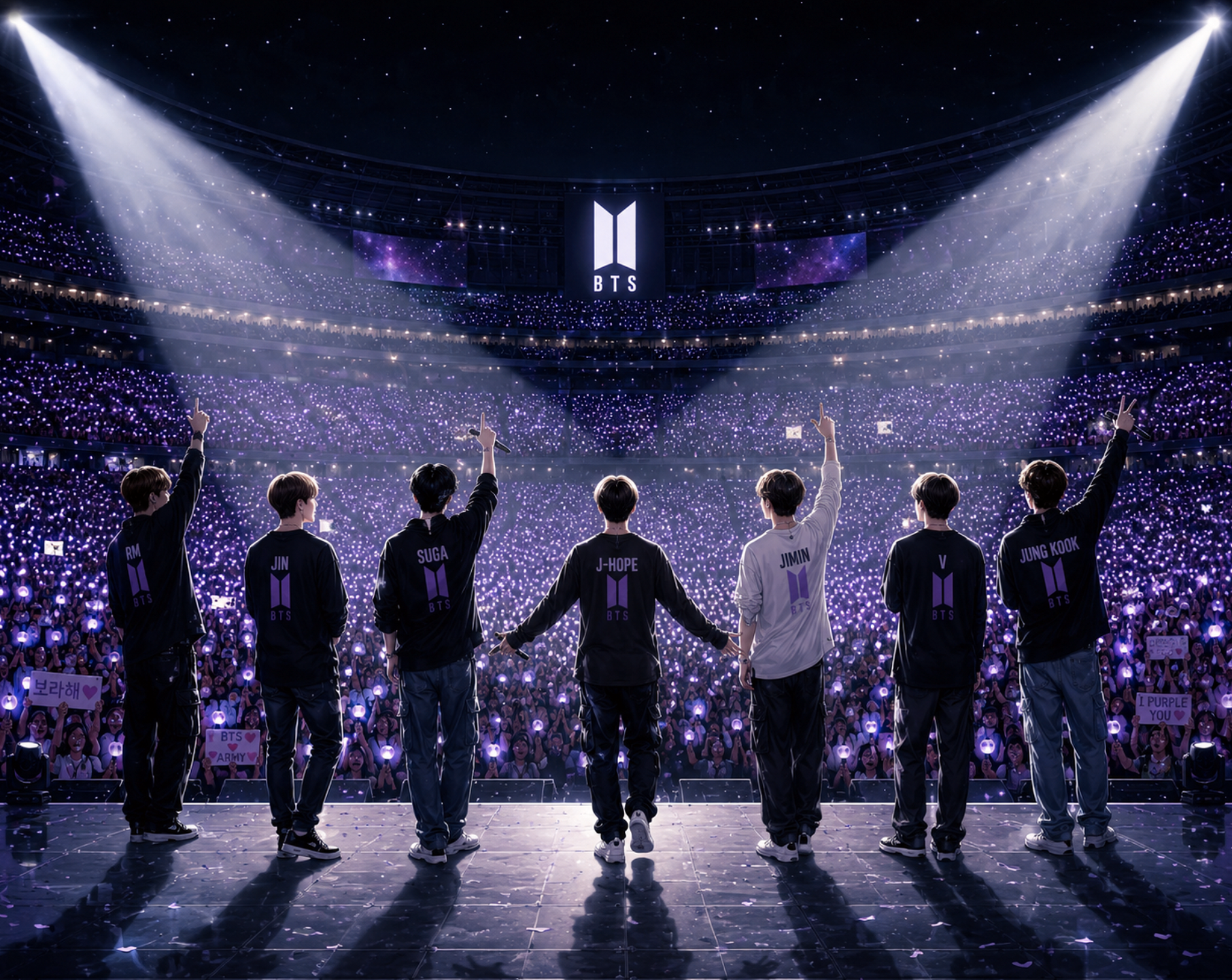
When people referenced BTS in the past, topics typically focused on sold-out music venues, chart-topping albums, and one of the most passionate fan communities in the world, known as ARMY. Increasingly, however, researchers, business leaders, and educators are looking at the South Korean music group through a completely different lens. To them, BTS represents one of the most significant case studies of the digital era, offering insights into globalization, community-building, audience engagement, and the future of organizational marketing.
That alternative perspective is reflected in both academic research and economic analysis. Over the past decade, BTS has become the subject of college courses, scholarly journals, business school case studies, and economic impact studies seeking to understand how seven musicians from South Korea built a global community of millions. Their influence extends far beyond entertainment, reaching into tourism, consumer behavior, digital communication, and cultural diplomacy.
For colleges and universities navigating enrollment challenges, declining public trust, and increasingly fragmented audiences, the BTS phenomenon raises an intriguing question: What can higher education learn from one of the most successful global community-building efforts of the twenty-first century?

The BTS Economy
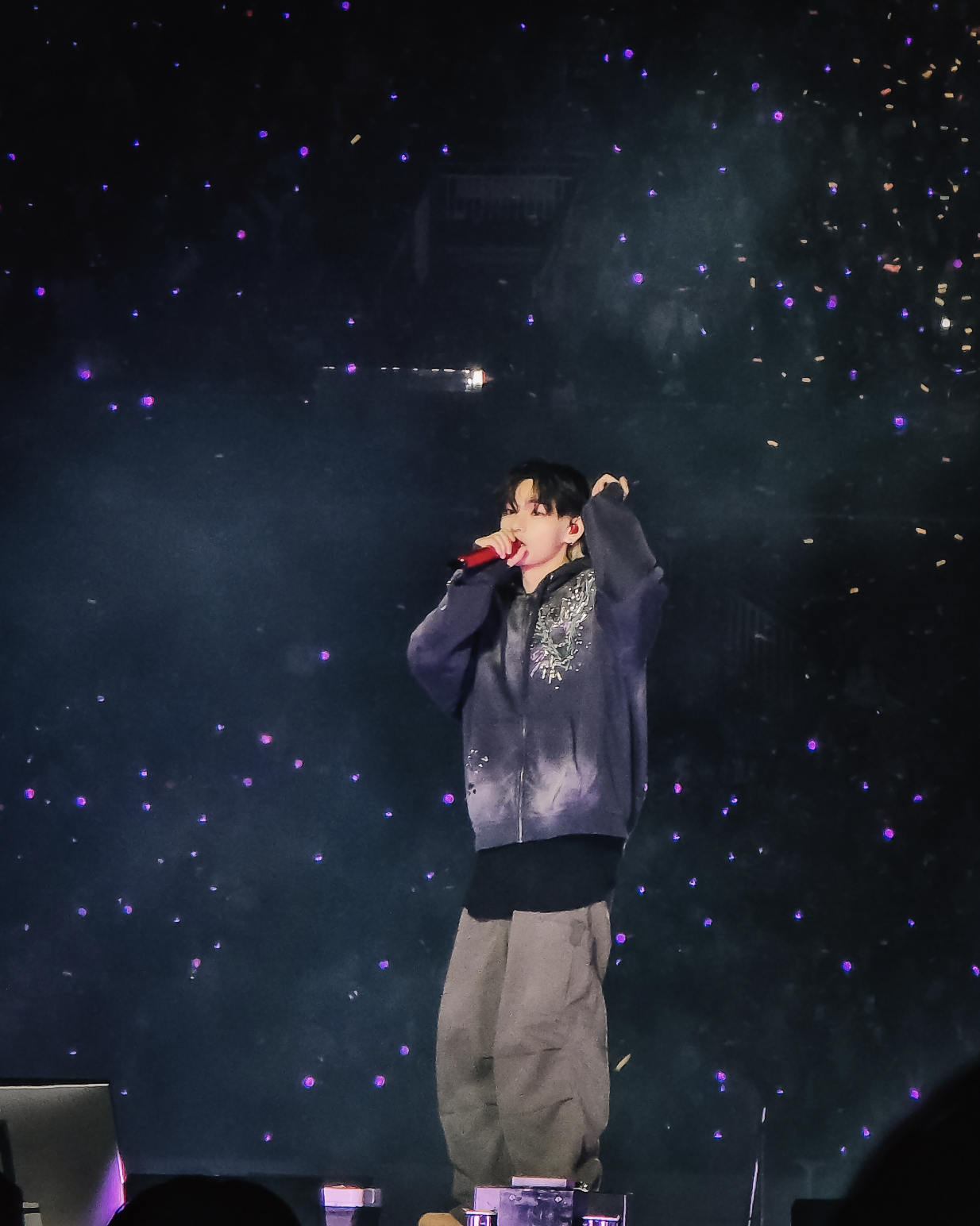
The scale of BTS’s economic impact helps explain why researchers have taken such an interest in the group.
In 2018, the Hyundai Research Institute estimated that BTS generated more than $3.6 billion annually for South Korea’s economy. Subsequent analyses placed the group’s economic contribution at approximately $4.65 billion per year through tourism, exports, consumer spending, and related activity.
Researchers estimated that nearly 800,000 foreign visitors traveled to South Korea annually because of BTS, representing approximately one in every 13 international tourists entering the country at the time.
The group’s influence has extended into industries far removed from music. Researchers and economists have linked BTS to increased exports of Korean cosmetics, fashion, goods, food products, and entertainment content. Interest in learning the language has surged globally alongside the growth of Korean popular culture, often referred to as the Korean Wave, or Hallyu.
The Bank of Korea has estimated that BTS contributes billions of dollars annually through both direct and indirect economic activity, making the group one of the country’s largest cultural exports.
The phenomenon has continued even after the group’s temporary hiatus for mandatory military service. Ahead of BTS’s anticipated reunion in 2026, analysts projected that related tourism and consumer spending could exceed $5 billion globally. Reuters reported that economists and industry analysts have adopted the term “BTSnomics” to describe the measurable ripple effects generated by the group.
For higher education leaders, these numbers are significant because they illustrate how a brand can become an engine of economic development, deep brand loyalty, and global visibility. Like BTS, colleges are often tasked with building reputation, attracting visitors, generating economic activity, building community on campus and off, and creating long-term relationships with diverse audiences.
Why Scholars Study BTS
The economic impact alone does not explain the growing academic interest in BTS. Researchers are drawn in because it offers a unique opportunity to study some of the defining social and technological trends of the modern era.
BTS sits at the intersection of globalization, social media, creator economies, digital communities, and participatory culture. Few contemporary organizations provide a richer case study for understanding how people form identities, build trust, and create communities online.
Scholars have examined the group and their fan community through a wide range of disciplinary lenses. Researchers in communications and media studies have explored how fans participate in content creation and community-building. Sociologists delved into the ways global fandoms create shared identities across geographic and cultural differences. Linguists are interested in the jump in learning the Korean language, while researchers in psychology studied the group’s messaging around mental health, resilience, and self-acceptance.
The academic literature continues to expand. In 2020, The Journal of Fandom Studies published a special issue devoted entirely to BTS and ARMY. Other research has examined BTS’s influence on philanthropy, activism, digital organizing, and collective action. Many scholars see the group as a living laboratory for understanding how communities form and thrive in an increasingly connected world.
Those questions are highly relevant to higher education. Colleges are grappling with many of the same challenges researchers are finding BTS has accomplished such as how to foster belonging, build trust across diverse populations, sustain engagement over time, and create communities that extend beyond physical boundaries.
From Stadiums to Seminars
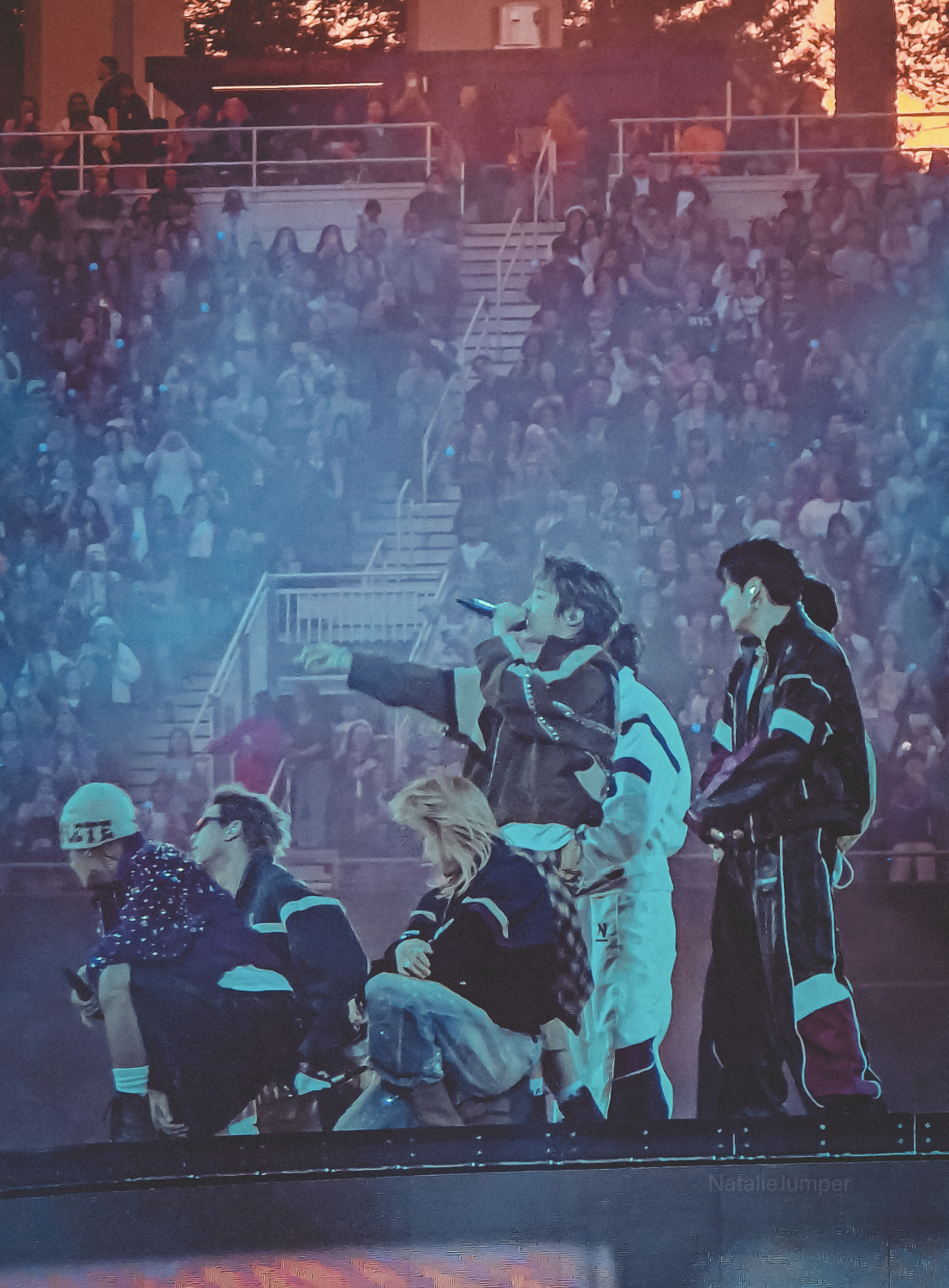
The growing body of research surrounding BTS has also found its way into the classroom.
In 2020, the University of California, Berkeley offered a course titled “Next Generation Leaders: BTS.” The class explored the group’s cultural significance and themes including leadership, identity, social influence, and community formation.
It attracted widespread attention not because it focused on celebrity culture, but because it used BTS as a framework for understanding broader social and cultural behavior and thinking.
Berkeley is not alone. Faculty members at institutions around the world have incorporated BTS into coursework in communications, globalization, digital culture, media studies, sociology, and business.
The group has become a useful teaching tool because its influence touches so many disciplines simultaneously. In many ways, BTS offers educators a real-world case study to connect abstract classroom concepts to concrete examples that students already recognize and understand.
BTS Didn’t Build an Audience. They Built a Community.
Perhaps the most important lesson emerging from both scholarly literature and business case studies is that BTS fundamentally reimagined the relationship between organizations and their audiences.
Traditional marketing models are largely transactional. Organizations create messages, distribute content, and attempt to persuade audiences to take specific actions. BTS adopted a different approach. Rather than treating fans as ‘consumers,’ the group cultivated a sense of participation and shared ownership.
From the beginning, BTS members communicated directly with supporters through social media, livestreams, behind-the-scenes content, and personal storytelling. In turn, this helped create a sense of accessibility and authenticity that distinguished them from traditional celebrity brands. Harvard Business School researchers have identified this direct relationship with followers as one of the central drivers of their global growth.
The result was the emergence of ARMY, one of the most engaged communities in modern times. Members routinely translate content into multiple languages, organize charitable initiatives, create educational resources, and produce vast amounts of user-generated content.
Researchers studying participatory culture frequently point to ARMY as an example of how digital communities can become active contributors rather than passive consumers.
This distinction matters because it highlights a shift that extends far beyond entertainment. Successful organizations are not simply attracting audiences. They are creating communities that actively participate in the organization’s growth and success.
Many of the marketing principles that helped BTS build a global community are increasingly visible across higher education. As explored in this issue’s article on creator-led university marketing (page 18), institutions are shifting away from purely top-down messaging toward models that empower students, alumni, faculty, and staff to tell authentic stories about their experiences.
The parallel to BTS is not exact, but it is instructive. Both approaches recognize that trust is often built through people, rather than the institution itself. In each case, community members become advocates, storytellers, and ambassadors who help expand the reach and credibility of the larger organization.
The Takeaway for Higher Ed Leaders
The group’s success illustrates several principles that are becoming increasingly important across sectors.
First, community matters. Organizations that foster a sense of belonging typically generate deeper engagement and stronger loyalty than those focused solely on transactional relationships.
Second, authenticity matters. Audiences increasingly respond to transparency, personality, and genuine storytelling versus highly polished institutional messaging.
Third, participation matters. People are more likely to engage with organizations that invite them to contribute, create, and share experiences rather than simply consume information.
These lessons are particularly relevant to higher education as the competition to attract students, donors, and top professionals continues to increase. Prospective students and employees are not just evaluating academic programs.
They want to belong, envision what their experience could be, and determine how the institution supports and interacts with its community.
BTS succeeded because it created meaningful connections between themselves and their fans, and their fans with each other. They understood this was about people. The group built trust, encouraged participation, and fostered a sense of belonging that transcended cultures, languages, and geographic boundaries.
Those achievements generated billions of dollars in economic activity. What the Beatles and Ed Sullivan may have started in 1964, BTS brought into the modern era with a force not seen before.
For higher education leaders, the takeaway may be that the future of branding and marketing is not simply about visibility. It’s about community—about people. The institutions that thrive in the future will not necessarily be those with the largest budgets or the loudest messages. They will be the ones that create environments people want to be a part of, contribute to, champion before they arrive, and long after they leave.
In that respect, BTS may be more than a musical group and cultural phenomenon. It may be one of the most important academic marketing case studies of the decade.