For more than a year and a half, millions of student loan borrowers have lived in financial limbo, enrolled in a repayment plan that promised lower bills, protected them from having to make payments, and waiting to see how a string of court battles would ultimately shake out. On March 10, 2026, the waiting ended and the answer was not the one they had hoped for.
The U.S. Court of Appeals for the Eighth Circuit issued an order that effectively terminated the Saving on a Valuable Education (SAVE) plan, the Biden administration’s flagship student loan initiative that had enrolled more than seven million borrowers since its 2023 launch. The ruling reversed a lower court’s February dismissal of a Republican-led lawsuit and directed a district judge to approve a settlement between Missouri—the lead plaintiff in one of two major legal challenges—and the Department of Education (ED). That judge signed off shortly after. With two sentences handed down from an appeals court, the most affordable federal loan repayment plan ever offered was gone.
What comes next is considerably less clear.
How It Unraveled

The SAVE plan was ambitious by design. The Biden administration billed it as a transformation of how working Americans repay federal student loans, calculating monthly payments based on income and family size rather than loan amount alone.
It capped payments for undergraduate borrowers at 5% of discretionary income, and eliminated interest accrual beyond what borrowers’ monthly payments already covered. For a family of four earning $81,000 a year, that would mean paying just $36 a month.
Republican-led states moved quickly to challenge the ruling. Missouri and several allies argued the ED had overstepped its authority, and courts agreed and issued a series of injunctions that blocked key provisions and eventually placed all enrolled borrowers in forbearance. Their loans stopped accruing progress toward forgiveness. Interest, however, began accumulating again in August 2025.
The Trump administration, far from defending the plan, negotiated a settlement to end it. Education Under Secretary Nicholas Kent, in a statement following the ruling, added that “in the coming weeks, the Department will issue clear guidance on next steps for borrowers enrolled in the illegal SAVE Plan, including details regarding how borrowers can move into a legal repayment plan.”
That guidance has been slow to arrive.
The Transition Problem
The sheer scale of the transition is staggering. Moving millions of borrowers out of one repayment plan into another represents a logistical undertaking unlike anything the student loan system has recently attempted.
Loan servicers, already stretched by years of pandemic-era forbearance and policy whiplash, must now field an enormous wave of new applications. A Government Accountability Office report has warned that servicer oversight has been weakened. The ED’s own online application systems have faced disruptions throughout the litigation period.
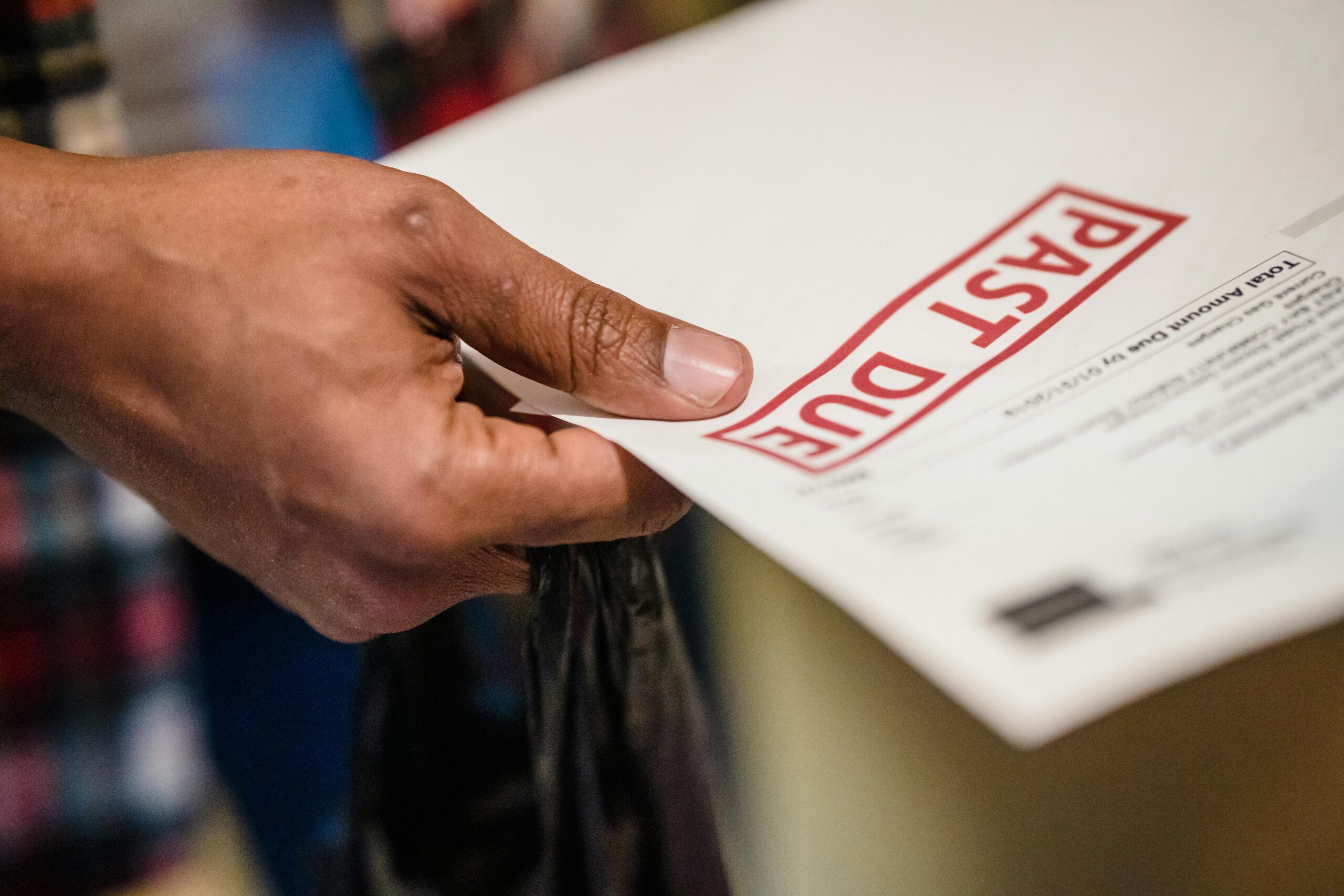
Meanwhile, a significant portion of those borrowers have not made a payment in more than 18 months. Some who took out loans during the COVID era have never made a payment at all. Advocates worry that many will not recognize communications from their servicers, will not know where to log in to manage their accounts, and will be blindsided when bills arrive.
What Borrowers Can Expect
According to guidance from student loan advocacy groups, the ED plans to have servicers begin sending transition notices to SAVE borrowers on or around July 1, 2026. From that point, they will have 90 days to enroll in a new plan. Those who do not act will be automatically placed in the Standard Repayment Plan, where monthly payments are based on loan balance rather than income, and are typically far higher.
The timing is not incidental. July 1 also marks the launch of the administration’s new income-driven option, the Repayment Assistance Plan (RAP). Michele Zampini, associate vice president of federal policy and advocacy at the Institute for College Access & Success (ICAS), suggested the administration has little incentive to push borrowers out of SAVE before its preferred successor is available.
“I think their goal is to do everything they can to get as many borrowers into RAP as possible,” she said. “I can’t imagine that they would want to tell borrowers they have to transition out of SAVE before they at least open that new plan.”
RAP differs meaningfully from SAVE and other income-driven plans. It does not offer $0 monthly payments regardless of income, and it extends the repayment timeline before debt forgiveness to 30 years, longer than any existing plan. Critics note that low-income borrowers in particular could end up paying more over time under RAP than under the plans it is designed to replace.
Borrowers who want to act before July 1 can apply now for Income-Based Repayment (IBR), Pay As You Earn, or Income-Contingent Repayment—the three remaining income-driven plans. Higher education expert Mark Kantrowitz has pointed to IBR as the strongest alternative for most borrowers, particularly those who were already working toward Public Service Loan Forgiveness, and need to resume accumulating qualifying payments.
Higher Bills Ahead
For the majority of borrowers, the transition will mean higher monthly payments—often significantly higher. An analysis from ICAS comparing SAVE and RAP payments for hypothetical borrowers across income levels found that monthly bills frequently jumped by more than $100.
The median American household of four and an $81,000 income, which had paid $36 monthly under SAVE, could see that amount climb to $440 under RAP.
“The confusion certainly won’t stop until the department itself comes out and gives some sense of what is going to happen here,” Zampini says. “Up until now, it has all been speculation and guesswork.”
Elizabeth Robeson, a plaintiff in a separate lawsuit filed the day of the appeals court ruling, put the stakes in blunter terms. Robeson borrowed $12,000 in the 1980s to attend the University of Mississippi, made more than 100 payments beyond what should have qualified her for forgiveness under SAVE, and today carries a balance of $93,000. “I have never been out of compliance on this loan and have paid for decades,” she said in the suit. “The student loan crisis has cruelly forced millions of working Americans like me to live in a labyrinth with no clear exit despite our having followed the law.”
For the seven million borrowers navigating that same maze, the summer of 2026 will be a defining moment—one whose consequences depend heavily on whether the guidance, the technology, and the capacity are there to meet them.